
Aid Airdrops Over Gaza as Malnutrition Crisis Deepens
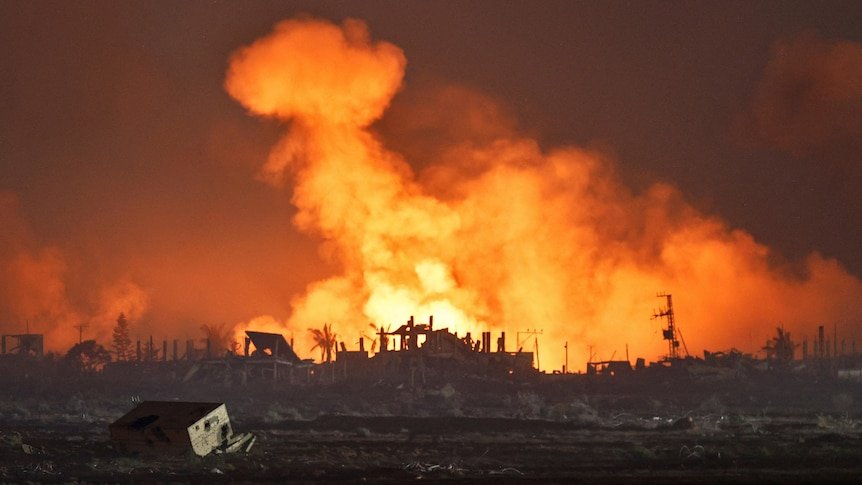
Jordan and the United Arab Emirates have carried out fresh airdrops of humanitarian aid over Gaza, days after Israel announced new measures aimed at facilitating the entry of relief supplies into the besieged enclave, amid growing international alarm over widespread hunger and malnutrition. The Israeli military said it is opening additional aid corridors to “refute the false claim of intentional starvation,” following warnings from aid agencies about an escalating food crisis. The new routes are intended to expedite the delivery of assistance to Gaza’s civilian population, the Israel Defense Forces (IDF) said.Jordan’s state news agency reported that 60 trucks carrying essential food items were also en route to Gaza via land. Egypt is likewise increasing ground deliveries of humanitarian supplies through the Rafah and Kerem Shalom crossings, Egyptian officials confirmed. Despite the airdrops, international aid organisations say the efforts fall far short of meeting Gaza’s needs. “Airdrops are a grotesque distraction from the real humanitarian solution,” said a spokesperson for one group, calling for unfettered land access to the Strip. Experts estimate that at least 160 airdrop flights would be needed daily to provide a single meal to each of Gaza’s two million residents. The World Food Programme and other agencies have warned that aerial operations are logistically inefficient and fail to deliver aid at the scale required. According to the Hamas-run Gaza health ministry, at least 133 people — many of them children — have died of malnutrition since the war began in October. Medical personnel in the enclave have reported cases of severe wasting and starvation-related illnesses, particularly in northern Gaza, where access remains highly restricted. The worsening humanitarian conditions come as diplomatic efforts to reach a ceasefire continue to stall. Israel launched its military campaign in Gaza following the October 7 Hamas-led attack that killed around 1,200 people in southern Israel, according to Israeli officials. More than 38,000 Palestinians have been killed in the ensuing conflict, Gaza health authorities say.
Is Speaking Bengali a Crime? Fear Grips Migrant Workers After Arrests in Haryana
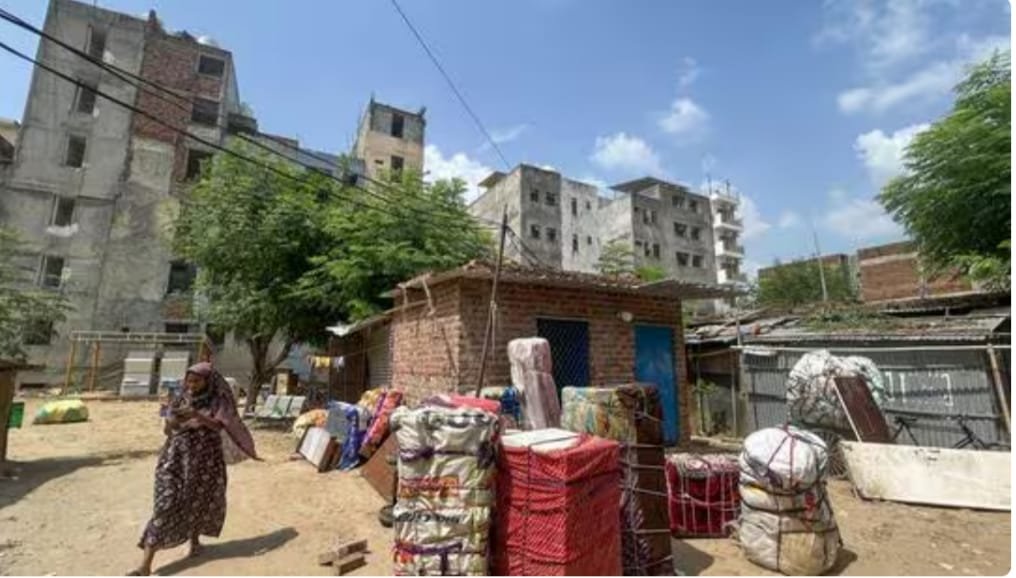
A wave of fear has swept through Bengali-speaking migrant communities in Gurugram, Haryana, following a string of arrests where police allegedly targeted individuals suspected of being “illegal Bangladeshis” — despite possessing Indian identity documents. Tensions escalated after Assam Chief Minister Himanta Biswa Sarma recently remarked that the number of people listing Bengali as their mother tongue in the national census would help identify the scale of “foreigners” in Assam. The comment drew sharp criticism from political leaders and civil society alike, who accused the BJP leader of equating Bengali identity with illegal immigration. Now, similar sentiments appear to be playing out hundreds of miles away in Haryana. Police in Gurugram have arrested at least 10 Bengali-speaking residents on suspicion of being undocumented Bangladeshis. Residents of makeshift settlements in the city’s outskirts say they are being harassed, picked up at night, and detained — often violently — without due verification. “They kicked the door and dragged him away” Anjarul, a daily-wage painter originally from Malda district in West Bengal, was one such victim. Living in Gurugram’s Tigra village for the past five years, he says he was forcibly taken from his home a few nights ago despite showing a valid Aadhaar identity card. “They hit me, dragged me, and called me a Bangladeshi,” he said. “I showed my Aadhaar card, but they didn’t care. Now, even though I’ve been released, the police have kept my Aadhaar card.” His wife alleged that she was also assaulted when she pleaded with officers not to take her husband away. “I asked them to at least verify our documents. Instead, one officer slapped me so hard that I can’t hear properly from my right ear,” she said tearfully. Entire neighborhoods abandoned The police crackdown has left entire Bengali-populated neighborhoods in disarray. Many residents have fled, fearing detention. “I’m packing my bags and leaving for Malda,” said one resident. “Better to go back than live in this constant fear.” Most of the homes in the area now sit locked and abandoned, with community leaders warning of an atmosphere of distrust and discrimination. Those who remain live in fear of midnight raids. Community hall turned into detention center. Local sources told reporters that a government community center in Gurugram’s Sector 40 has been functioning as a makeshift detention center over the past week. More than 100 Bengali-speaking individuals were reportedly held there under suspicion of being undocumented immigrants. While officials now say the facility is largely empty, some detainees may have already been moved to other undisclosed locations. The Haryana police have yet to issue a formal statement addressing allegations of harassment and illegal detentions. Activists, however, are demanding an investigation and legal recourse. Bengali identity under siege? The developments in Gurugram follow a broader pattern of heightened scrutiny of Bengali speakers across several Indian states. Critics argue that linguistic identity is being dangerously conflated with nationality, fueling xenophobic policies and vigilantism. “What we are witnessing is the criminalization of language and ethnicity,” said a Delhi-based rights activist. “No Indian should be treated as an outsider in their own country simply because they speak Bengali.” As political discourse around migration and citizenship intensifies, many fear that vulnerable communities — especially migrant workers — will continue to bear the brunt of profiling and persecution.
‘Bengali Identity Under Attack’: TMC Minister Warns of Growing Hostility, Calls for Global Solidarity

West Bengal minister and senior Trinamool Congress leader Chandrima Bhattacharya has accused the BJP-led central government of orchestrating a “systematic and shameful” attack on Bengali identity, calling on Bengalis across the globe to unite in defence of their cultural and linguistic pride. Speaking at a culturally symbolic Ilish Utsav (Hilsa Festival) in Nimta on Sunday—organised by the local organisation Karmayogi Society—Bhattacharya alleged that Bengali-speaking citizens were being targeted and vilified in several BJP-ruled states in India. “Bengalis are being harassed, detained, even killed, simply for speaking their language,” she told the gathering. “Bengal has never humiliated those from Assam, Bihar, Jharkhand or Odisha. Why, then, is the rest of the country targeting Bengalis? This is no longer accidental—it is deliberate, and we will resist.” Her remarks follow West Bengal Chief Minister Mamata Banerjee’s invocation of a recent Human Rights Watch report which, according to her, detailed the illegal deportation and persecution of Bengali-speaking people in India. Citing the New York-based organisation’s findings, Banerjee had sharply criticised Prime Minister Narendra Modi and Home Minister Amit Shah for “weaponising identity” and fanning communal divisions. Bhattacharya echoed this concern and warned, “The central government will be made answerable. The global Bengali community will not stay silent.” The festival itself, a celebration of Bengal’s love for ilish maachh (hilsa fish), carried an undertone of cultural unity. Organisers said the event was meant to act as a counterpoint to divisive rhetoric. “We invited people from all linguistic backgrounds—Bihari, Odia, Assamese—to join in. Our message is simple: diversity is not a threat, it’s a strength,” said Tapan Chakraborty, president of the Karmayogi Society. In a sharp jibe at the growing politicisation of dietary and cultural habits, Bhattacharya remarked: “Now even what we eat—singara, jilipi—is being politicised. Who gave anyone the right to decide what a citizen can eat or speak? This is not nationalism, it’s narrow-mindedness.” Targeting Home Minister Amit Shah by name, she said: “Stop this divisive politics. Bengalis live in the US, in China, in every corner of the world. You will soon realise what it means to attack the pride of Bengal.” The event closed with references to Bengal’s cultural icons—from Rabindranath Tagore and Kazi Nazrul Islam to Saratchandra Chattopadhyay and Swami Vivekananda—as Chakraborty declared, “Those who chew gutka and abuse others’ culture won’t understand the richness of Bengal.” As India heads towards a contentious electoral season, including assembly elections in West Bengal in 2026, issues of regional identity, linguistic rights, and citizenship are once again emerging as politically potent and deeply emotional subjects. The Trinamool Congress is now clearly positioning itself as a defender of Bengali pride, while accusing the BJP of erasing cultural plurality in the name of nationalism.


