For more than four decades, Sheikh Hasina has been at the helm of Bangladesh’s ruling Awami League, steering the party since May 17, 1981. But after her ouster from power last year, questions of succession that she had long avoided are now forcing their way to the forefront.
Hasina, 77 this month, has never publicly outlined how the party would function in her absence. Observers say that lack of a succession plan contributed to the Awami League’s rapid collapse after she was forced from office on Aug. 5, 2024. The interim government that took over subsequently banned the party’s activities, leaving grassroots workers without clear leadership.
Since then, Hasina has been living in India as what officials describe as a “guest” of New Delhi, with tight restrictions on her movements and contacts with her followers. From there, under both political pressure and personal considerations of age, she is now preparing to settle the issue of who leads the Awami League after her.
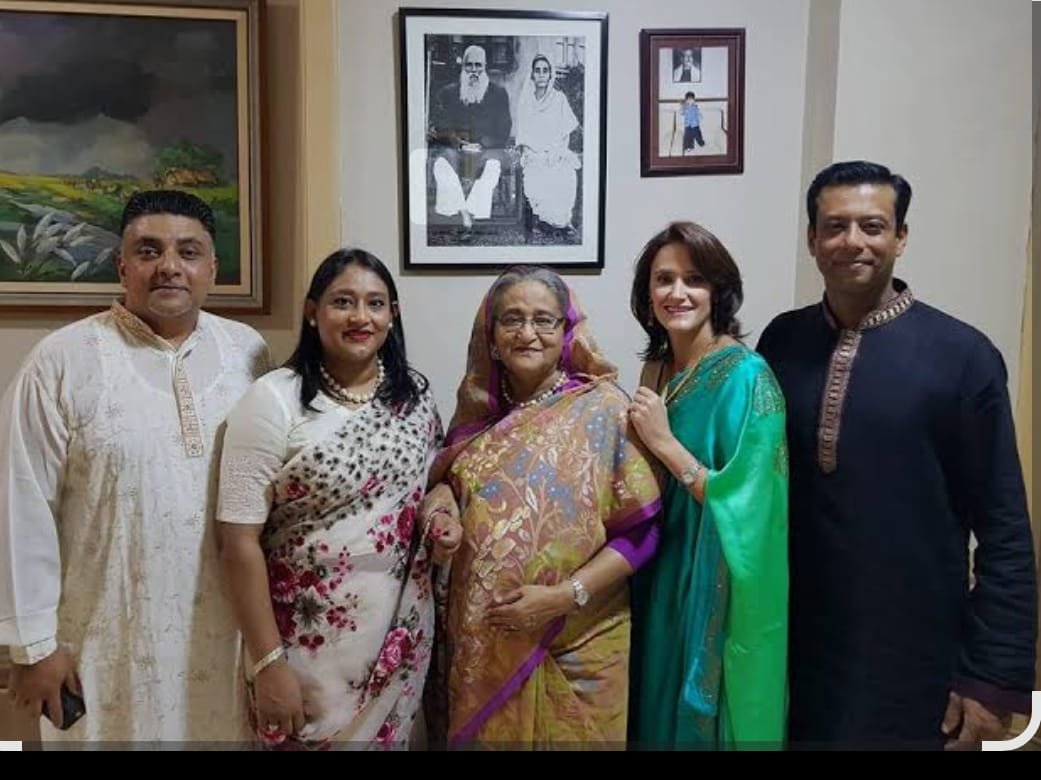
Party insiders and political analysts say Hasina has finalized a plan to bring her son, Sajeeb Wazed Joy, and daughter, Saima Wazed Putul, into the party’s top ranks. In addition, her sister Sheikh Rehana’s son, Radwan Mujib Siddiq Bobby, is also expected to play a role.
The model, observers note, resembles India’s Congress Party, where Sonia Gandhi positioned her children, Rahul and Priyanka, as future leaders.
Joy, a U.S. citizen and permanent resident, has emerged as the Awami League’s chief spokesman abroad, giving frequent media interviews and representing the family’s political line. Putul, until recently the World Health Organization’s regional director in New Delhi, has gone on indefinite leave from the post and is now stepping fully into politics.
Hasina’s reliance on her children underscores how dynastic politics continues to dominate in South Asia, where leadership transitions often bypass internal party democracy. Critics argue such moves risk alienating the Awami League’s grassroots and further weaken its organizational base.
Still, for Hasina, who has led the party through exile, opposition and long years in office, the urgency to secure her family’s hold on leadership appears stronger than ever.