
India’s Fish Importers Urge Bangladesh to Allow Hilsa Exports Ahead of Durga Puja
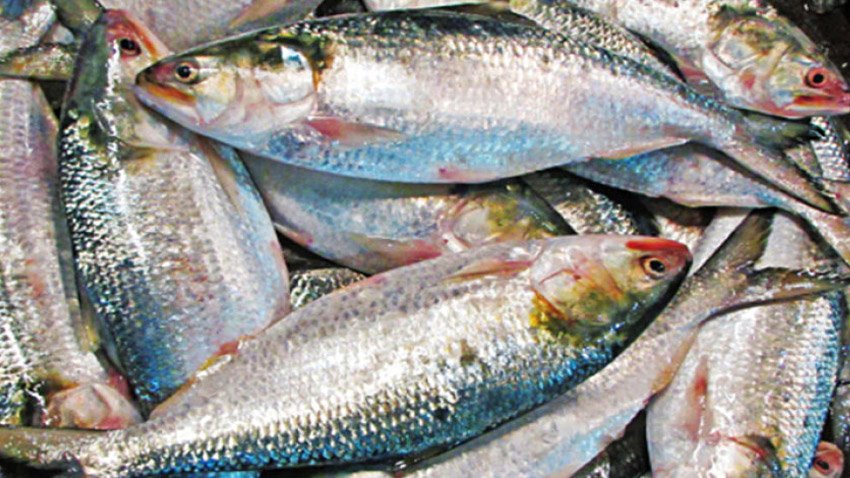
Durga Puja approaches, fish traders in India have formally requested Bangladesh to permit the export of Hilsa — the prized river fish often considered synonymous with festive feasts in Bengal. In a letter sent on Tuesday to Touhid Hossain, Adviser to Bangladesh’s caretaker government’s Ministry of Foreign Affairs, the Fish Importers’ Association of India sought early approval for the export of Hilsa from the Padma River. “Last year, Bangladesh had allowed the export of 2,420 metric tonnes of Hilsa, for which we remain deeply grateful,” wrote Syed Anwar Maqsood, Secretary of the association. “This year, we are requesting approval ahead of the Durga Puja festival, without imposing a fixed export time frame.” Maqsood pointed out that despite last year’s export approval, only 577 metric tonnes of Hilsa eventually reached India due to the narrow time window — typically 30 to 45 days — set by Dhaka. “Such a short period is insufficient to handle such a large volume of fish exports,” the letter said. Hilsa, considered a delicacy during Durga Puja — especially on the eighth day or Ashtami — holds immense cultural and culinary significance among Bengalis. A plate of Hilsa, many believe, completes the celebration. The appeal comes at a sensitive juncture in India-Bangladesh relations, which have been strained following the fall of Sheikh Hasina’s government. Issues such as border tensions and concerns over the treatment of minorities in Bangladesh have led to increased diplomatic friction. Despite the chill in bilateral ties, Indian traders are hopeful that Dhaka will consider the cultural significance of Hilsa during the festive season and grant the export request in time.
Kolkata Tram Users to Hold Sit-In Protest Against Bituminisation of Tracks

A group of tram enthusiasts in Kolkata will stage a sit-in protest outside the Kolkata Municipal Corporation (KMC) headquarters on August 1, opposing what they allege is a deliberate attempt to phase out the city’s heritage tram network under the guise of road maintenance. The Calcutta Tram Users Association (CUTA), a forum of over 600 members, accused the state government and civic agencies of systematically dismantling the once-extensive tram service. “Tram routes have shrunk from 37 in 2011 to just two at present,” said CUTA spokesperson Debashis Bhattacharya. The association alleged that KMC has been using asphalt to cover tram tracks in several areas, including Chitpur in the north and parts of south Kolkata, in violation of a recent Calcutta High Court directive prohibiting such activities. A senior KMC official denied knowledge of any bituminisation on tram tracks and maintained that current underground pipeline repair work was essential. However, CUTA questioned the continued suspension of tram services on the Tollygunge–Ballygunge route for over a year, calling it a pretext to replace trams with app-based cab and auto-rickshaw services. “About 200 protesters will begin their demonstration outside KMC headquarters at 1 p.m. and later march along a defunct tram route,” Bhattacharya said. According to a transport department official, the city’s tram network has been in steady decline, with operational lines reducing from 61 km in 2011 to just 12 km in 2022. Passenger numbers have also dropped from around 70,000 daily commuters in 2011 to only a few thousand today. No state funding has been allocated for trams since 2018. However, Transport Minister Snehasis Chakraborty has stated that the government intends to preserve tram services along select heritage routes. As the matter remains sub-judice, the government will await the court’s decision before making further moves.


