
Kapil Sharma’s Canada café attacked twice in a month after inviting Salman Khan to comedy show – industry body seeks Amit Shah’s intervention

Indian comedian Kapil Sharma has been placed under heightened security after his café in Canada came under gunfire for the second time in a month, allegedly by members of the Lawrence Bishnoi gang, police said. In an audio clip circulating online, gangster Goldy Dhillon, identified as a Bishnoi gang member, claimed responsibility for the attack, saying it was carried out because of Sharma’s closeness to Bollywood actor Salman Khan. “In future, anyone working with Salman will face dire consequences. Next time, we will aim straight at the chest,” the message warned. Mumbai Police have stepped up surveillance around Sharma’s residence and are reviewing CCTV footage. The attackers have also reportedly threatened to strike in Mumbai. The All India Cine Workers Association (AICWA) condemned the shootings, calling them a “premeditated attack on the dignity and freedom of India’s film industry” reminiscent of the 1990s, when Bollywood faced extortion threats and violence from underworld syndicates. “This is not just about Kapil’s café. Recent incidents targeting Salman Khan, Baba Siddique, and Saif Ali Khan point to an alarming pattern,” AICWA said in a Facebook post. “Such acts are designed to intimidate stars, erode their creative freedom, and deliberately weaken the backbone of Indian cinema.” The body urged Home Minister Amit Shah to take up the matter with the Canadian Prime Minister and ensure the safety of Indian citizens and celebrities abroad. It warned that the incidents were spreading fear among millions who depend on the film industry for their livelihood.
Chief Secretary Using BDOs for I-PAC Work, Govt and Poll Panel Must Face Responsibility for Rigging: Salim
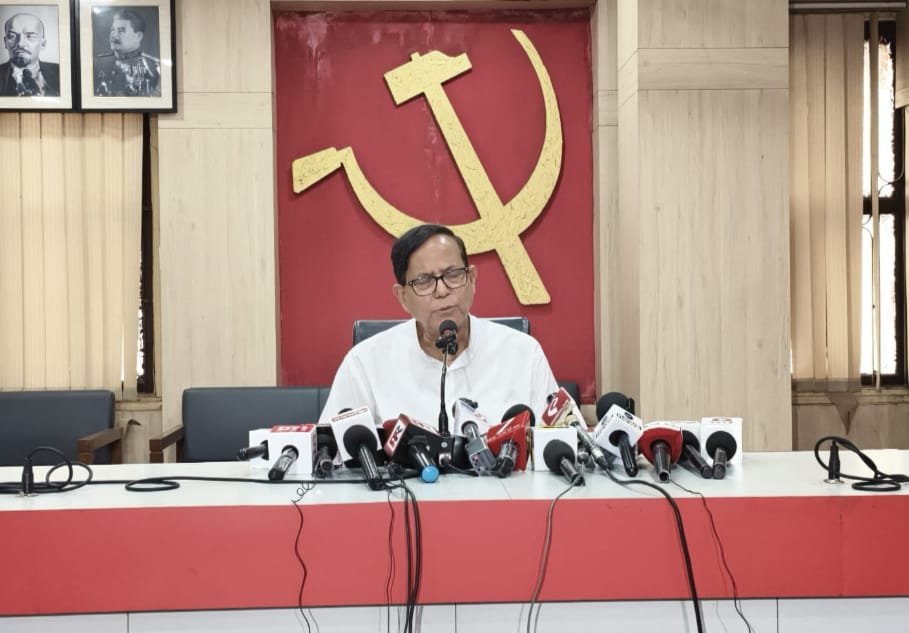
Parallel News Digital Desk, 8th August Communist Party of India (Marxist) state secretary Mohammad Salim on Thursday accused both the West Bengal government and the Election Commission of responsibility for alleged electoral malpractice, saying democracy was being curtailed across the country. Speaking at a press conference at the party’s state headquarters, Salim alleged that Chief Minister Mamata Banerjee’s administration used government officials, including block development officers, to work for poll strategist group I-PAC, and that both the ruling Trinamool Congress and the Bharatiya Janata Party (BJP) manipulated the election process to win. “Democracy is being shrunk, and people’s voting rights are being taken away,” Salim said, accusing the BJP of using the commission to secure victories while the Trinamool relied on intimidation and violence. He said errors in the voters’ list were being exploited to disenfranchise citizens while leaving deceased voters on the rolls. Salim also criticised Banerjee for adopting what he called the RSS’s divisive agenda, accusing her of targeting linguistic diversity by branding people with different pronunciations as “Bangladeshi”. He condemned the replacement of an elected CPI(M) councillor’s role in local programmes with a Trinamool leader, calling it unconstitutional. The CPI(M) leader also attacked the state government over stalled 100-day rural jobs, delayed publication of Joint Entrance Examination results due to OBC-related litigation, and unfilled seats in colleges, accusing Banerjee of defying court orders on issues including dearness allowance. On the upcoming anniversary of the R.G. Kar Medical College case, Salim voiced support for protest actions by doctors’ groups and activists, alleging that key perpetrators of last year’s incident remained unpunished while whistleblowers faced transfers and intimidation. “The fight will continue,” Salim said, urging the public to join the movement.
India’s security adviser Ajit Doval meets Putin amid U.S.-India tariff row
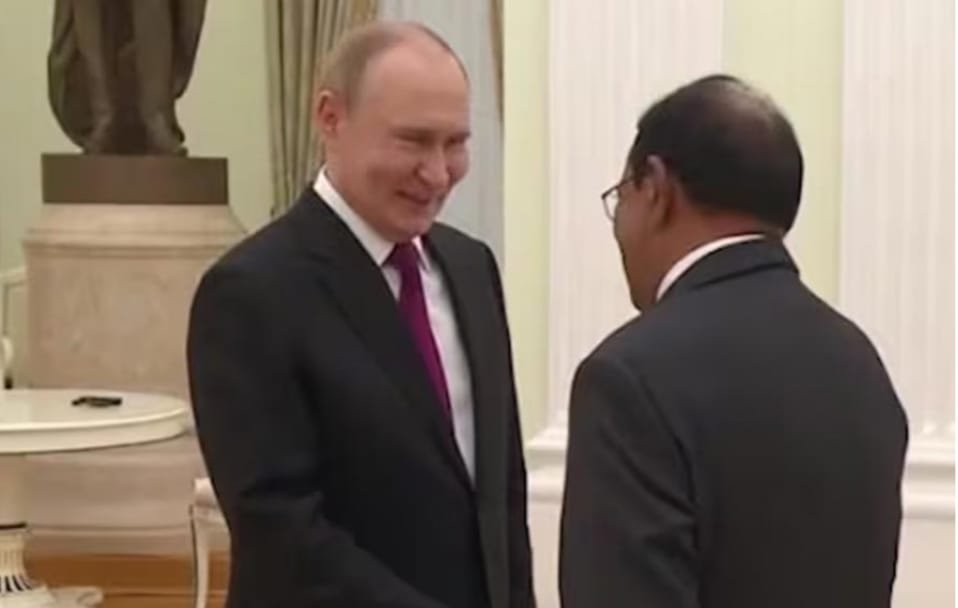
Parallel News Digital Desk, 8th August India’s National Security Adviser Ajit Doval met Russian President Vladimir Putin in Moscow on Thursday, with the two discussing strategic partnership between the long-time allies, Russian media reported, as a trade dispute with the United States cast a shadow over New Delhi’s foreign policy. Doval arrived in Moscow on Tuesday night for a visit aimed at strengthening diplomatic ties. The trip took on added significance after U.S. President Donald Trump on Wednesday announced a 50% tariff on Indian goods in response to New Delhi’s continued purchase of Russian oil, calling it “punishment” for buying from Moscow. Diplomatic sources said the Doval-Putin talks could pave the way for a major oil import deal that would offer India deeper discounts on Russian crude. Moscow has signalled it will not allow any third-country interference to weaken ties with New Delhi. India’s foreign ministry issued a lengthy statement criticising Washington’s move, saying U.S. action unfairly targeted India. “Our oil imports are guided by market conditions and the energy needs of 1.4 billion people,” it said, adding that many other nations make similar decisions in their national interest. If you’d like, I can also craft a shorter Reuters “breaking” two-paragraph version for immediate wire transmission. That would make it snappier for headline use.
India says monitoring China’s construction of Mega Dam on Yarlung Tsangpo
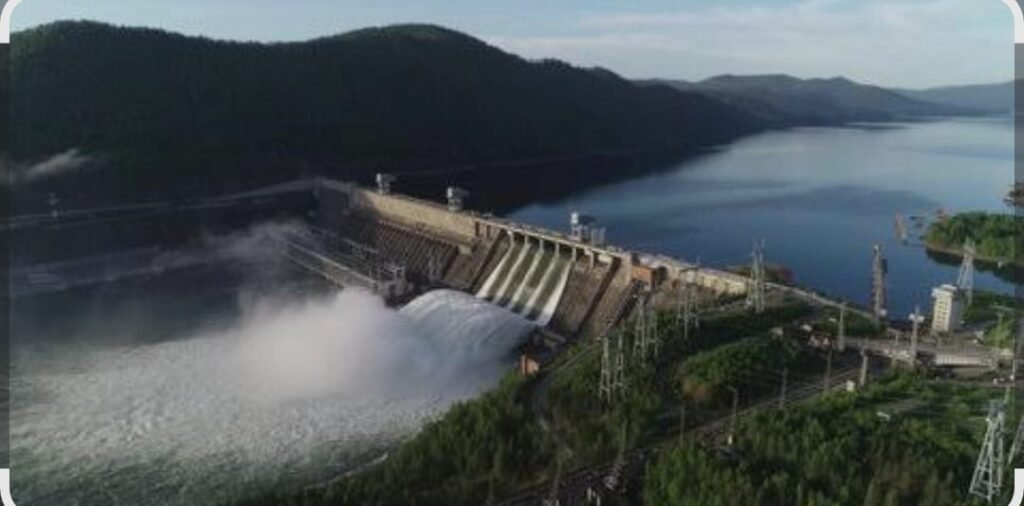
Parallel News Digital Desk, 8th August: India has taken note of reports that China has begun building a mega dam on the lower reaches of the Yarlung Tsangpo River in Tibet and is closely tracking developments, the government told parliament on Thursday. New Delhi “carefully monitors” all activity on the Brahmaputra River, including Chinese hydropower projects, and takes “preventive and corrective measures” to safeguard the lives and livelihoods of people in downstream areas, Minister of State for External Affairs V. Muraleedharan said in a written reply. India and China discuss trans-border river issues through an expert-level mechanism set up in 2006 as well as diplomatic channels, he said. “As a lower riparian state with considerable established user rights to the waters of trans-border rivers, the government has consistently conveyed its views and concerns to the Chinese authorities … and urged them to ensure that the interests of downstream states are not harmed,” Muraleedharan said. He added that New Delhi has repeatedly stressed the need for cooperation on trans-border rivers, including the resumption of hydrological data sharing, most recently during the external affairs minister’s visit to China from July 14-16 for the Shanghai Cooperation Organisation foreign ministers’ meeting.


