
Election Commission Signals Special Voter Roll Revision Post-Puja
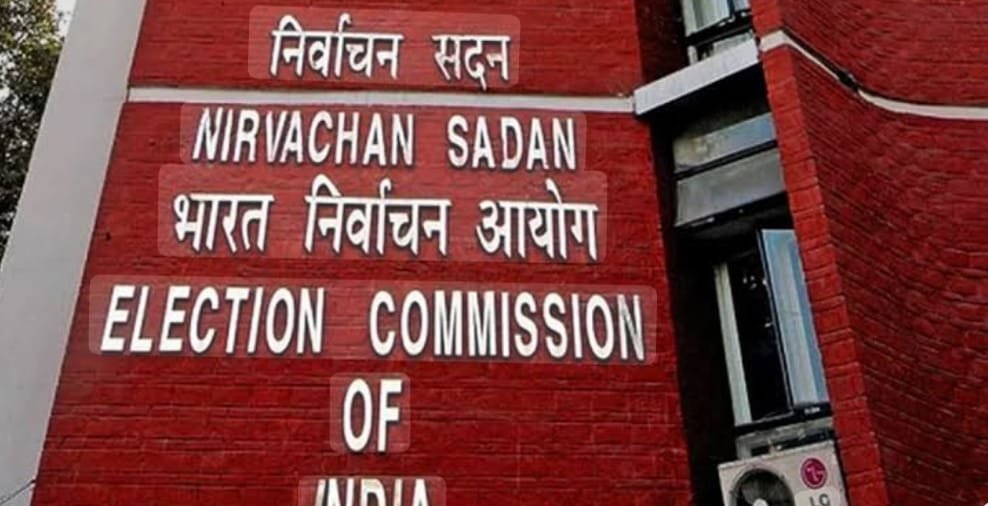
After Bihar, the Election Commission of India (ECI) is set to roll out a Special Intensive Revision (SIR) of the electoral rolls across the country, directing all states to complete preparations by Sept. 30. Officials said a formal notification could be issued in October, though no exact date has been announced. At a meeting in New Delhi on Wednesday, the ECI instructed chief electoral officers of all states to wrap up infrastructure readiness within this month. What remains unclear is whether the process will begin simultaneously nationwide or be prioritized in states heading to assembly elections next year. Five states — West Bengal, Tamil Nadu, Assam, Kerala and Puducherry — are scheduled for polls in 2026, making them likely candidates for the first phase of the SIR. But political tensions have already surfaced in West Bengal. Chief Minister Mamata Banerjee, while touring north Bengal, voiced strong objections, saying the process cannot be completed within a few months. “SIR is not a two- or three-month exercise. It takes two to three years to conduct properly,” Banerjee said. She accused the commission of acting in favor of the Bharatiya Janata Party (BJP), echoing charges her Trinamool Congress has made repeatedly in the past. Despite the criticism, the state election machinery has informed the national commission that Bengal is ready to begin the exercise, with infrastructure and staff in place. The controversy is not without precedent. In Bihar, opposition parties alleged that the recent SIR resulted in 6.5 million names being deleted from the rolls, accusing the commission of bias. The ECI countered that safeguards had been introduced to prevent genuine voters from being removed. An election commission official noted that Bengal had a turbulent history with such revisions. “In 2002, nearly 2.8 million names were deleted from the state’s 45.8 million voters. This time, lessons have been learned, and the process will be more transparent and technology-driven,” the official said. Still, Banerjee’s open opposition has raised expectations of fresh political confrontations. Observers say the coming weeks will show whether the Election Commission sticks to its nationwide rollout plan or makes exceptions for politically sensitive states.
Nepal unrest may delay Mamata Banerjee’s return from north Bengal
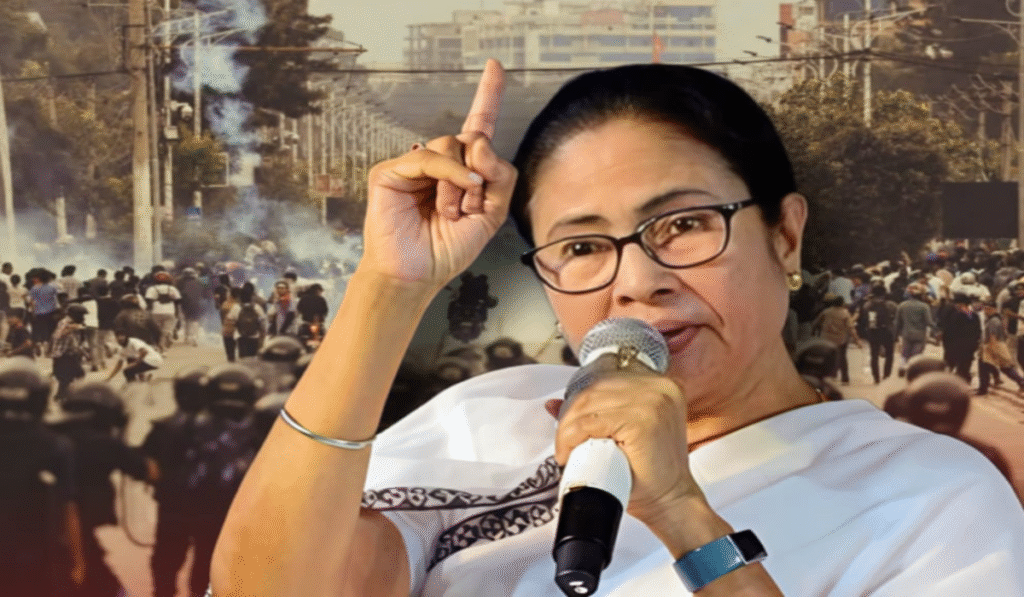
West Bengal Chief Minister Mamata Banerjee said Wednesday she may stay back in north Bengal for another day as political violence and unrest continue in neighboring Nepal. At a Press conference at Uttarkanya, the state government’s north Bengal headquarters, Banerjee said she would not return to Kolkata until the situation across the border stabilizes. “If the situation does not calm down, I will remain here,” she said. “I feel a sense of duty. I have always wanted to stand by people in times of crisis — be it a rail accident or floods in Malda. I try to be by their side.” Banerjee said she had already held meetings with district magistrates from eight districts and would decide on her return only after reviewing the situation. Taking a swipe at her opponents, she cautioned people to remain vigilant against those who “try to fish in troubled waters” for political gain. “Standing by people and exploiting a crisis are not the same,” she said. Expressing anguish over the violence in Nepal, Banerjee said she had penned a poem the previous night. “It felt terrible,” she said. “A man was set on fire alive, and people celebrated in different ways. What kind of civilization is this? Differences of opinion can exist, but burning people alive and inflicting atrocities cannot be accepted. There is no trace of humanity in this.” Reiterating her stance as an administrator, she added: “For me, people come first, before party or politics. Even if someone from my own party is at fault, I don’t spare them.” Earlier in Jalpaiguri, Banerjee announced that the state government would arrange to bring back residents of Bengal stranded in Nepal within a couple of days. She urged them not to panic. “Do not rush. Don’t invite danger upon yourselves. We are monitoring the situation closely,” she said. The chief minister spent Tuesday night at Uttarkanya, overseeing developments. “You can sleep peacefully. We are here to take care of things,” she told reporters, recalling how she had guarded the state without taking leave even during the COVID-19 pandemic. On her arrival in north Bengal, Banerjee held meetings with senior police officers. Following her instructions, surveillance along the Indo-Nepal border has been intensified. State police officials held a high-level meeting with the Sashastra Seema Bal (SSB), which guards the frontier. SSB’s 41st Battalion Commandant Yogesh Kumar Singh met with North Bengal Inspector General Rajesh Kumar Yadav and Darjeeling Superintendent of Police Praveen Prakash to discuss border security. Police stations in the border belt have since been put on alert, with naka checks underway at Panitanki and other points. Darjeeling’s police superintendent said regular communication is being maintained with Nepal Police. A district police helpline has been activated for Indians in distress.
Assam Moves to Tighten Citizenship Verification, Sets 10-Day Deadline
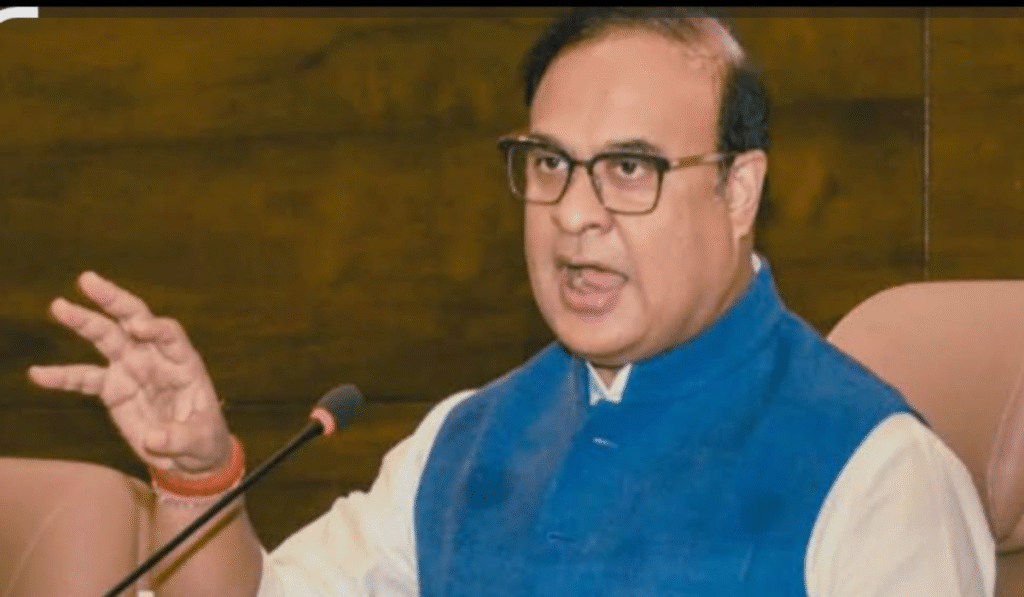
The Assam government has approved sweeping changes to how suspected foreigners will be identified and verified, giving individuals just 10 days to prove their Indian citizenship or face detention, Chief Minister Himanta Biswa Sarma said Tuesday. The state Cabinet cleared the measure by invoking provisions of a 1950 law, which Sarma said would bypass the existing process overseen by Foreigners Tribunals. Under the new standard operating procedure, the burden of proof will shift sharply onto individuals flagged by authorities. “From now on, suspected foreigners will have to establish their citizenship within 10 days. If they fail, they will be moved to detention camps,” Sarma told reporters after the Cabinet meeting. The decision reflects Sarma’s long-standing position that demographic shifts in Assam’s border districts are threatening local communities. He has repeatedly alleged that unchecked migration from Bangladesh is altering the state’s population balance. Last month, Sarma announced that Aadhaar cards — India’s 12-digit biometric ID — would no longer be issued to residents over the age of 18 in border areas, except for members of scheduled castes, scheduled tribes, and tea garden workers. Even for those groups, Aadhaar validity would be restricted to one year, he said. The chief minister added that, in “rarest of rare” cases, district magistrates may still approve Aadhaar enrollment after reviewing reports from local police and the Foreigners Tribunal. The move to reintroduce the 1950 law was first signaled in the state assembly in June, but Tuesday’s Cabinet decision formally set the process in motion. Rights groups have criticized similar measures in the past, warning that rushed verification drives risk disenfranchising legitimate citizens, particularly among marginalized communities. Detention centers in Assam, where declared foreigners are housed, have drawn scrutiny from national and international observers over conditions and prolonged confinement. Sarma, however, defended the decision as necessary to protect Assam’s identity. “We cannot allow the demographic character of our border districts to change any further,” he said. The new verification rules are expected to be implemented soon, though officials have not announced a timeline for rollout.
Nepal Army Takes Charge After PM Oli Resigns, Unrest Persists Despite Curfew
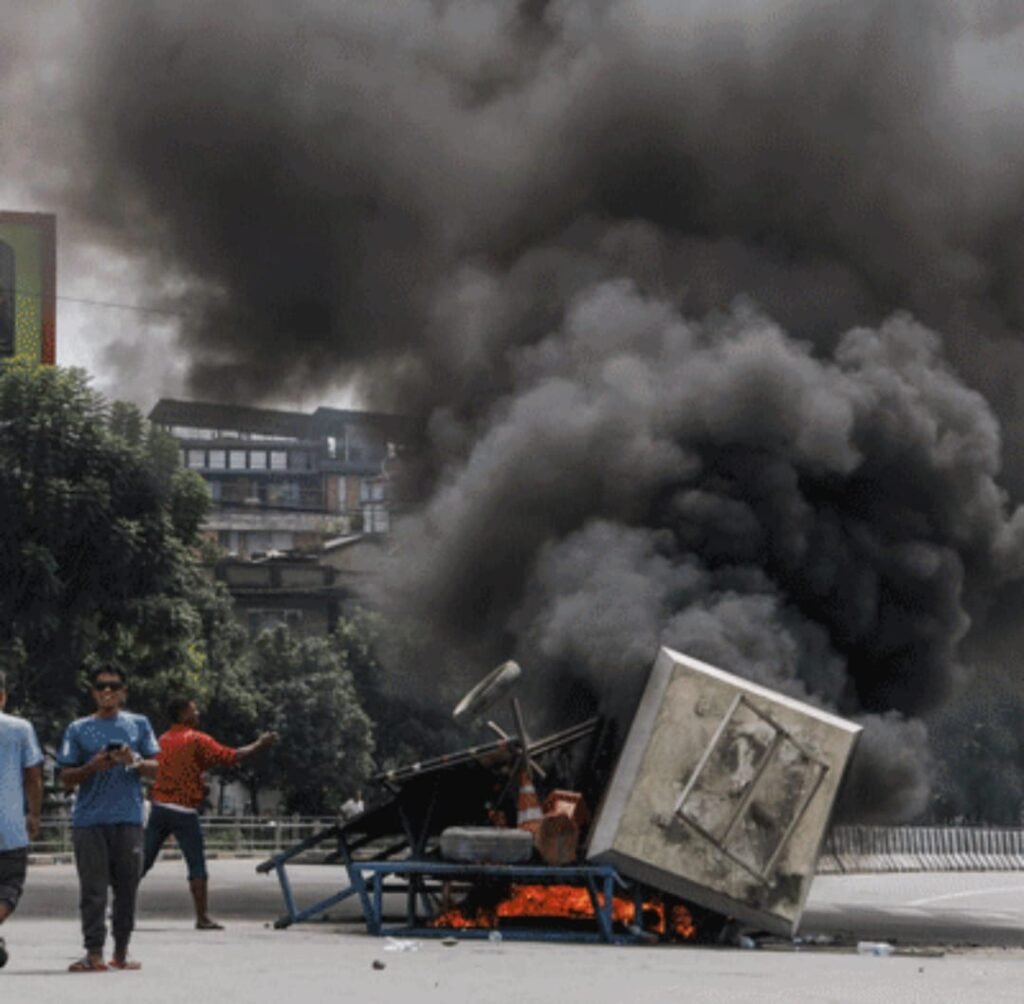
Nepal’s political crisis deepened this week as the army formally assumed control of the country following the resignation of Prime Minister K.P. Sharma Oli, but violent unrest and prison riots underscored the fragile state of order in the Himalayan nation. The army announced late Tuesday that it would govern until a new civilian government is formed, citing the need to restore stability amid escalating protests and violent clashes. Curfew orders have been imposed across major cities, and armored patrols now dominate Kathmandu and other sensitive areas. “Until a new government is established, the Nepal Army will oversee the administration to ensure sovereignty and public security,” Army Chief Gen. Ashokraj Sigdel said in a statement. He urged protesters to suspend demonstrations and join dialogue, warning that looting and vandalism would be met with strict action. The unrest, sparked by mass student and youth demonstrations in Kathmandu earlier this week, quickly spread nationwide. Protesters carrying placards and chanting slogans stormed streets, clashing with police in repeated waves of violence. On Tuesday, fires engulfed the Parliament building, as well as the residences of Oli and several cabinet ministers. Reports also surfaced of arson at Nepal’s Supreme Court. Prisons became a new flashpoint of violence. In Banke district, a confrontation at a correctional facility left at least five inmates dead and seven others wounded after police opened fire to stop a mass jailbreak attempt, according to local media. Similar incidents were reported in Pokhara, where protesters attacked jails, and authorities confirmed that around 1,600 inmates have escaped from prisons across the country in the chaos. The army has since deployed reinforcements around key government facilities, including Nepal’s main secretariat building, which is now under military control. “We are determined to safeguard sovereignty and citizens’ freedom, but certain vested groups are exploiting the unrest,” the army said in a separate statement, urging the public to remain vigilant. Efforts to negotiate a resolution are underway. Gen. Sigdel held talks late Tuesday with representatives of protest groups to hear their demands, while President Ramchandra Paudel is scheduled to meet a delegation of demonstrators on Wednesday with the army mediating. Observers hope the dialogue could pave the way for compromise and calm. Despite curfew measures, scattered clashes were reported Wednesday in several towns, though no major incidents of violence occurred. Authorities remain on high alert as thousands of demonstrators continue to defy restrictions. The crisis marks Nepal’s most severe political turmoil in years, raising fears of prolonged instability in the region.


