
Teen Stabbed to Death at Dakshineswar Metro Station, Panic Among Commuters
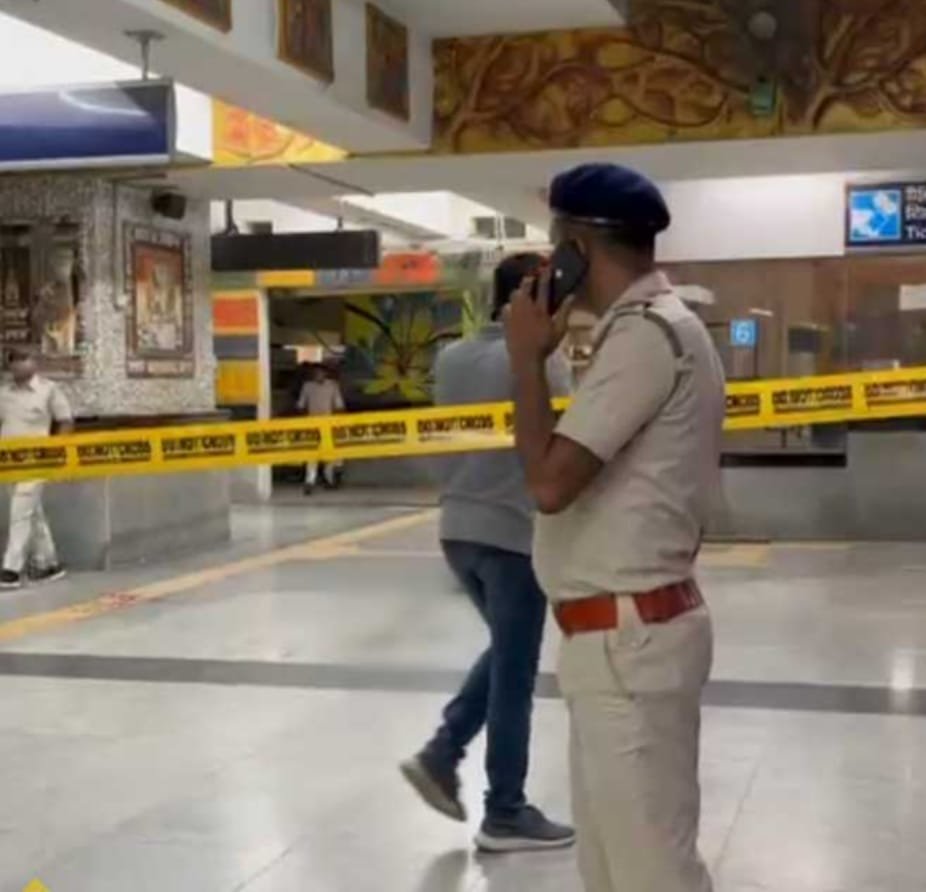
Kolkata was rocked on Friday afternoon after a brutal incident inside Dakshineswar Metro Station, where a 17-year-old boy was allegedly stabbed to death following a clash between two groups of teenagers. According to preliminary reports, an altercation broke out near the ticket counter between the two groups, which quickly escalated into a violent scuffle. Witnesses claimed that during the fight, one boy was surrounded and repeatedly attacked with a sharp weapon. He collapsed on the station floor in a pool of blood, sparking chaos among commuters. The injured boy, a resident of Alambazar and a Class XI student, was rushed to a nearby hospital. As his condition deteriorated, he was shifted to another hospital, where doctors declared him dead. Police sources confirmed that the deceased was a minor. Eyewitnesses stated that the clash was between students, and suspicions point to a love affair dispute as the possible trigger. However, officials stressed that the exact motive is yet to be confirmed. The attackers, also believed to be minors, fled the spot immediately after the incident. Scenes of panic and fear unfolded inside the busy metro station, which was crowded with passengers at the time. Photographs showed bloodstains on the station floor as authorities cordoned off the area. Regular commuters raised questions over how sharp weapons were carried inside the metro premises despite security checks. Metro authorities issued a statement saying the entire incident is under review, and police have been informed. They clarified that metro services were not disrupted. Police teams have launched a search to trace the absconding attackers. Investigators are scanning CCTV footage to identify those involved. The shocking murder has left the Alambazar locality in deep grief, with neighbours describing the victim as a bright and soft-spoken student whose life was cut short in a senseless act of violence.
Bangladesh Faces Ongoing Shortage of Routine Childhood Vaccines in Several Districts
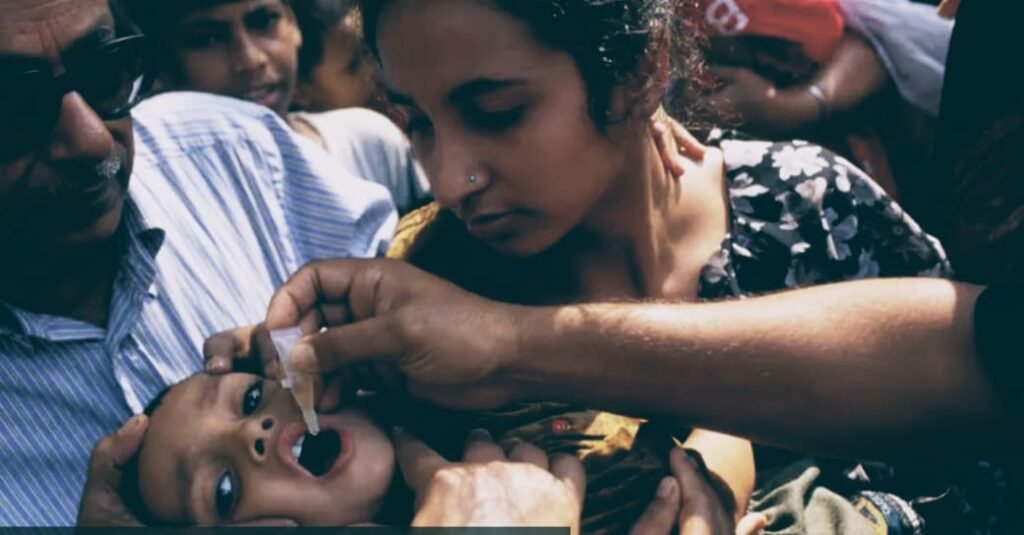
Several districts across Bangladesh have been grappling with shortages of childhood vaccines under the Expanded Program on Immunization (EPI) for more than a month, health officials said. Civil surgeons from multiple districts reported that supplies of certain vaccines have been inconsistent, leaving children unable to receive their scheduled immunizations. The shortages vary by region, with some districts facing gaps in specific vaccines while others have received adequate stock after delayed shipments. “This problem has persisted for weeks,” said one district civil surgeon, who noted that children in his area had missed their doses due to a lack of supply. “Once vaccines arrive, we are able to continue the program, but the disruptions are worrying.” Bangladesh, for the first time, began purchasing EPI vaccines last year. Until then, the program was largely supported by international donors and vaccines were provided free of cost. Officials said the transition has created logistical challenges in procurement and distribution. Despite field-level reports of shortages, the national EPI office has denied any systemic problem. A.F.M. Shahabuddin, project manager of the Expanded Program on Immunization, insisted there was “no shortage or crisis.” “The vaccines are arriving as scheduled,” Shahabuddin said. “What happens is that it takes some time to distribute them to all districts once the shipment reaches Bangladesh. That lag can create the impression of shortages, but there is no real supply gap.” Health workers and parents, however, remain concerned. Delays in administering vaccines could leave children vulnerable to preventable diseases such as measles, polio and diphtheria. Public health experts warn that even short-term disruptions in immunization schedules can have long-term consequences, especially in densely populated countries like Bangladesh. The Ministry of Health has not announced any new measures to address the delays, but officials say they are monitoring distribution more closely.
Narendra Modi To Visit Manipur; Plans To Meet Displaced Families and Unveil Several Developmental Plans
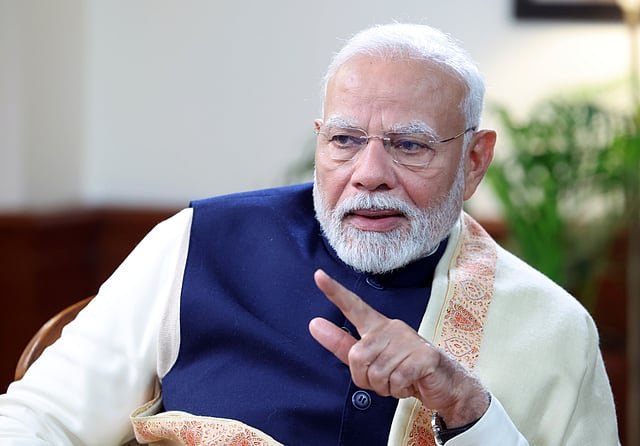
Prime Minister Narendra Modi is set to visit Manipur on 13th September, with a day-long programme that’s beginning in Churachandpur and later in Kangla, Imphal. The visit comes as part of continued efforts to bring peace and stability to the state following the recent unrest. Chief Secretary Dr Puneet Kumar Goel, IAS, stated, “Prime Minister Narendra Modi is scheduled to visit Manipur, beginning his tour in Churachandpur, where he will meet people displaced by recent unrest and lay the foundation stones for key relief and development projects. Following his engagements in Churachandpur, PM Modi will proceed to Kangla in Imphal, an ancient royal site central to Manipuri heritage and the cultural heart of the Meitei community.” “For the visit of Honourable PM. The state govt appreciates the efforsts of the people of manipur both at the hill and the valley for succesfully moving forward to restore peace and normalcy in the state. the joint effort of all the stake holders have brought stablilty and security slowly but steadly in the state, Manipur is not just a border state but central pillar of India’s act east policy, a gateway to the south east asia and a proud guardian of India’s diversity.” Goel further stated, “Peace is not only the absence of violence but also the presence of trust and reconciliation. Thus the visit of honourable PM to the state will pave the way for peace, normalcy and escalated growth in the state.” In the detailed encounter, “PM Modi will arrive in Churachandpur around 12:15 pm from Aizawl. He will interact with internally displaced persons and lay the foundation stone for various infrastructure projects across the state. He will also address a public gathering at Peace Ground in Churachandpur.” Amidst the busy schedule, the Prime Minister will visit Kangla to meet the displaced families all over the valley around 2.30 pm. He will also inaugurate several developmental projects within and also outside of the state and encounter the public. In Manipur, Modi will meet internally displaced persons affected by the recent unrest and launch or lay the foundation for projects worth over ₹2,500 crore. The development package features the laying of foundation stones for projects worth ₹1,300 crore and the inauguration of completed works valued at ₹1,200 crore. Prime Minister Narendra Modi is set to launch and inaugurate projects worth over ₹71,850 crore during his visit to five states between September 13 and 15. A major highlight of the tour will be the launch of the Makhana Development Board in Bihar, designed to boost production and open global market opportunities for farmers. In Manipur, Prime Minister Modi will interact with internally displaced persons affected by the recent unrest and inaugurate or lay foundation stones for projects exceeding ₹2,500 crore. In Assam, the emphasis will be on enhancing connectivity, while in West Bengal, he is expected to launch major infrastructure initiatives and welfare programs. The tour will conclude in Bihar with the launch of the Makhana Development Board and the inauguration of several projects focused on farmers and rural development. Officials highlighted that the visit reflects the Centre’s commitment to promoting peace, stability, and economic growth across the northeast and eastern regions.
Student’s Death at Jadavpur University Sparks Outcry, Demands for Security
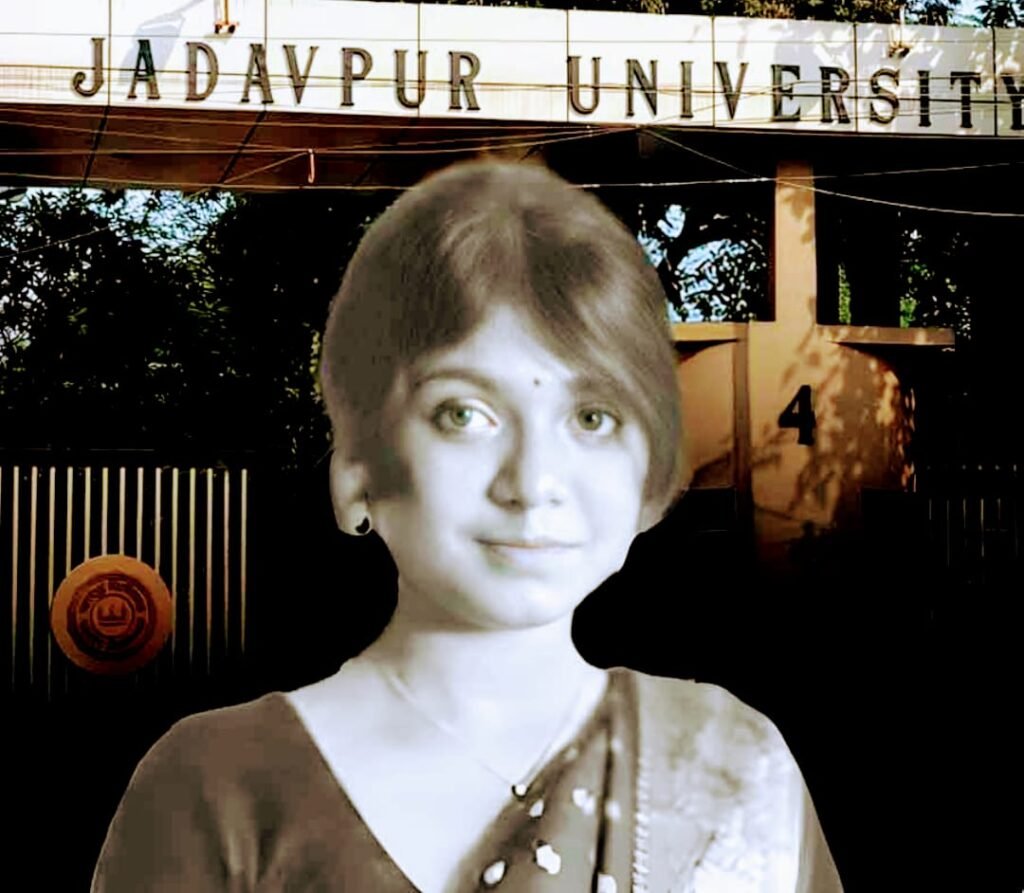
A third-year English undergraduate student at Jadavpur University was found dead Thursday night after being pulled unconscious from a pond near the campus’ Gate No. 4, triggering outrage among student groups and reigniting debates over campus safety. The victim, identified as Anamika Mondal, a resident of Nimta in Belgharia, was discovered around 10:20 p.m. floating in the pond adjacent to the Arts Faculty Students’ Union room, where a cultural program organized by the university’s “Drama Club” was underway. The event featured folk singer Gaur Das Baul and his troupe, and was attended by both students and alumni. According to eyewitnesses, Mondal was rushed out of the water by fellow students, who attempted CPR and tried to drain water from her lungs before taking her to KPC Medical College and Hospital nearby. Doctors there declared her dead on arrival. Police have registered a case of “unnatural death” and sent her body for post-mortem examination. Forensic teams are expected to visit the campus Friday. Investigators said they are examining footage from three CCTV cameras installed near Gate No. 4 — one facing the entrance, another near the security room, and a third covering the Arts Faculty area. Authorities are probing whether Mondal had slipped into the pond while walking toward two toilets located beyond the narrow pathway skirting the waterbody. “How exactly she fell into the pond remains unclear. CCTV footage may help us reconstruct the sequence of events,” a police official said. The incident quickly sparked political and student reactions. The Trinamool Congress Chhatra Parishad (TMCP) questioned why the university administration had permitted a late-night program. TMCP state president Trinankur Bhattacharya said, “This is extremely unfortunate. Two years ago, we lost Swapnadeep. Now again another student. These are not normal deaths. We have long demanded CCTV surveillance across campus and a permanent police outpost. Those who opposed these measures cannot shirk responsibility. The absence of a permanent vice-chancellor has only worsened matters.” TMCP vice president Sudip Raha echoed the demand, writing on X (formerly Twitter), “The necessity of CCTV at Jadavpur University has been proved again.” The rival Students’ Federation of India (SFI), however, criticized what it called opportunistic politics. SFI’s all-India general secretary and Jadavpur alumnus Srijan Bhattacharya said, “As an alumnus, I am shocked. Only Trinamool can indulge in political one-upmanship in such a tragic moment. There were CCTVs at RG Kar Medical College, yet Tilottama had to die there. At South Calcutta Law College, where there is no Left presence, another incident occurred. So CCTV alone is not the answer.” The tragedy drew chilling parallels to a 2023 incident, when a first-year Bengali student, allegedly a victim of ragging, fell to his death from a hostel balcony on the same campus. That episode had led to increased surveillance and installation of more cameras, though students say entry IDs are still not strictly checked. The latest death has left the campus in mourning and raised fresh concerns about the safety of students, especially in the absence of strong administrative leadership. As Mondal’s family awaits answers, students and alumni alike are bracing for yet another round of debate over whether Jadavpur University has done enough to protect its community.
KC Venugopal accuses ECI of colluding with BJP to influence upcoming state polls
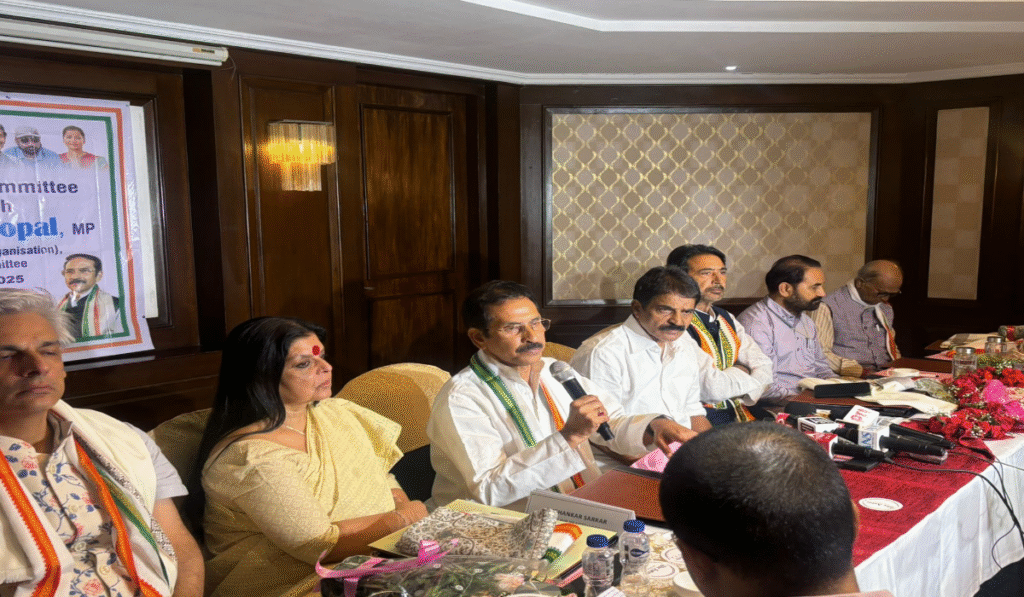
Senior Congress leader and Lok Sabha MP KC Venugopal on Thursday launched a scathing attack on the Election Commission of India (ECI), alleging that the poll body has “sided with the BJP government” to influence the 2025 and 2026 assembly elections. Venugopal, who was on a one-day visit to Kolkata, held a closed-door meeting with the senior leadership of the West Bengal Congress and reviewed the party’s organizational structure in the state. He said he would submit a detailed report on the situation to Congress leader Rahul Gandhi. Speaking to reporters, Venugopal alleged that the BJP and the ECI have been working in tandem since the 2024 Lok Sabha elections to facilitate “large-scale vote manipulation.” “We know what kind of fraud is happening, but finding proof takes enormous time and effort,” he said. “Teams have to go through huge printouts of voter lists to identify bogus voters. Sometimes this takes seven months. If we had soft copies, it would take a second. That is why the Election Commission never gives us digital voter rolls or CCTV footage.” Referring to the BJP’s charge that Rahul Gandhi’s recent presentation on “Vote Chori” (vote theft) was prepared abroad, Venugopal said the ruling party was only trying to discredit Gandhi because it fears the impact of the revelations. “Whenever the truth comes from Rahul Gandhi, the Congress or any other Opposition party, the BJP tries to dismiss it with such allegations. Now the entire BJP is exposed across the country. The whole nation believes in ‘Vote Chori’. ‘Vote Chor, Gaddi Chhodd’ has become a national slogan. Not only in Bihar, it is in the hearts of people everywhere,” he said. The Congress leader further claimed that evidence of irregularities had already been unearthed in at least one assembly constituency in Karnataka. “Rahul Gandhi has exposed everything. That is why the BJP is trying desperately to humiliate him, but it will not succeed,” Venugopal said. He also alleged that the ECI was not acting impartially. “The Election Commission is totally siding with the government of India to sabotage the elections. The BJP is worried about its declining popularity and is resorting to these tactics,” he added. Venugopal’s remarks come at a time when the Congress has intensified its campaign against what it calls systematic electoral malpractice under the Modi government. The party has announced that it will continue to raise the issue of “vote theft” in Parliament as well as in public meetings across the country.


