
IIT Kharagpur study warns climate extremes will hit young and elderly hardest

Extreme weather events are becoming more frequent, more intense and will affect people very differently depending on their age and where they live, according to a new study by researchers at the Indian Institute of Technology Kharagpur. The study, led by Prof. Rajib Maity of the civil engineering department, combined detailed climate projections with demographic data to compare the recent past (1991–2020) with the near future (2021–2050) under various warming and population growth scenarios. Researchers examined how heat waves and cold waves can overlap with heavy rainfall or prolonged dry spells. They found that concurrent extremes — such as heat waves occurring alongside floods or droughts — are projected to rise sharply worldwide. Asia and Africa are expected to be the hardest hit, with children and working-age adults facing the greatest risks. The study warned that sub-Saharan Africa will see the highest exposure for young people because of rapid population growth, while in Europe, North America and Australia, the elderly are most vulnerable — especially to heat waves combined with heavy rainfall. “Europe, in particular, is expected to see the highest exposure levels for seniors globally, raising urgent concerns for healthcare and social care systems,” the researchers said. The study also projected that while cold extremes will decline in tropical regions, they will increase in parts of North America, northern Europe and East Asia. That trend could create the dual threat of more frequent heat waves alongside persistent cold spells. One of the key findings is that climate change is the primary driver of rising exposure globally. In developing regions, population growth is expected to magnify the risks, while in Europe and parts of Asia, where populations are stable or shrinking, climate change alone accounts for most of the increase. A spokesperson for IIT Kharagpur said the research stands out because of its age-specific approach. “Unlike most climate studies that treat populations as a single group, this study disaggregates exposure across children, youth, adults, and seniors,” the spokesperson said. “This reveals the unequal burden of climate extremes and underscores the need for region-specific and age-specific adaptation strategies.” The findings underline the urgent need for adaptation measures and resource policies that protect vulnerable groups, such as children in sub-Saharan Africa and the elderly in Europe, as the effects of climate change intensify worldwide.
Delhi Spiritual Leader Faces Sexual Harassment Allegations, Goes Into Hiding
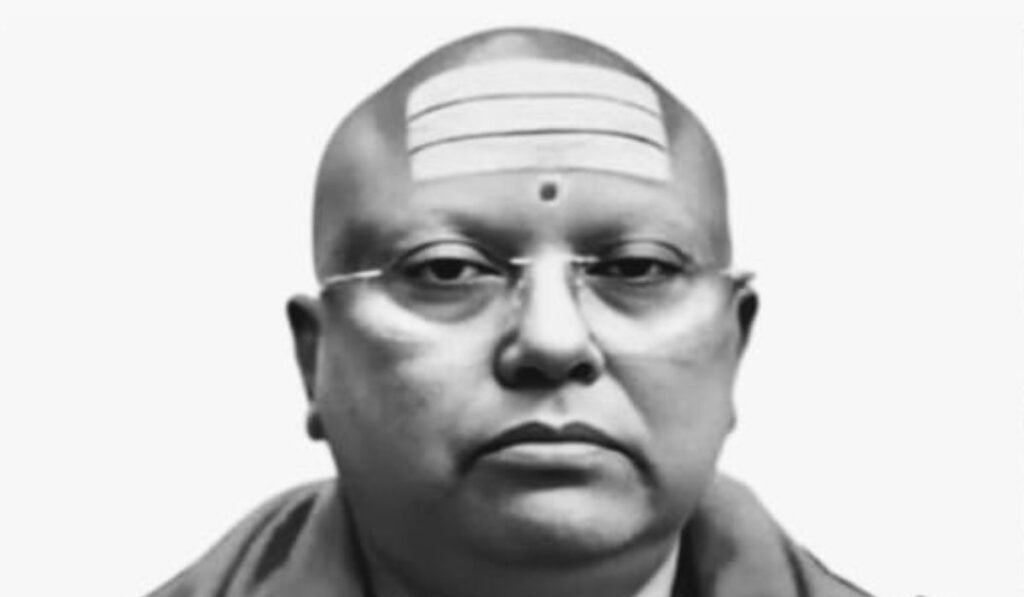
Police have launched a manhunt for Swami Chaitanyanand Saraswati, director of an ashram in Delhi’s Vasant Kunj area and head of the Sri Sharada Institute of Indian Management, after more than 15 women accused him of sexual harassment, including sending obscene messages and inappropriate physical contact. According to investigators, the self-styled spiritual leader, also known as Parthasarathi, went missing shortly after the first complaints were filed. His last known location was traced to Agra. Police have seized his Volvo car, which carried fake number plates, and intensified searches at his residence and other premises. The allegations include sending sexually explicit WhatsApp and text messages, using vulgar language, and molestation. Police said statements from 32 women have already been recorded, with 17 of them accusing Chaitanyanand of direct harassment. CCTV footage is being analyzed, and investigators have recovered a hard disk and video recorder from his residence, both of which have been sent for forensic examination. This is not the first time the controversial spiritual figure has faced criminal proceedings. In 2009, he was charged with embezzlement of funds and fraud. In 2016, a woman accused him of molestation, though the case did not move forward significantly. The fresh wave of complaints, police say, represents the most serious accusations yet. The ashram administration distanced itself from him after the allegations surfaced. In a statement, its representatives said: “Swami Chaitanyanand Saraswati, also known as Swami Parthasarathi, was involved in certain activities that were unlawful and inappropriate. For this reason, the Peeth has severed all connections with him and has also filed a complaint with the relevant authorities.” Senior police officers confirmed that multiple teams have been formed to trace the accused. “We have registered a case and initiated a thorough investigation. Testimonies are being verified, and forensic evidence is being collected to strengthen the case,” one officer said. Legal experts note that if the allegations are proven, Chaitanyanand could face charges under several sections of the Indian Penal Code related to sexual harassment, molestation, and use of obscene language, in addition to earlier financial fraud cases. Public outrage has been mounting as details of the case emerged, with women’s rights groups demanding swift action. “Such individuals misuse their spiritual authority to exploit young women. The law must take its course, and justice should not be delayed,” said a Delhi-based activist. As of Wednesday, Chaitanyanand remains absconding, and police said they are working with agencies in Uttar Pradesh and other states to track him down.
BENGALURU POLICE RECOVER ₹14 LAKH LOST IN ‘DIGITAL ARREST’ FRAUD

Bengaluru police have recovered ₹14 lakh that BJP Chikkaballapura MP K. Sudhakar’s wife, Preeti, lost in a cyber fraud involving a scheme known as “digital arrest,” officials said Tuesday. According to police, the incident took place on Aug. 26, when Preeti, 44, a resident of Basaveshwaranagar, received a WhatsApp video call from fraudsters posing as Mumbai Cyber Crime Police officials. The callers told her money had been illegally transferred from her account and demanded that she send funds to the Reserve Bank of India for “verification.” They claimed the money would be returned within 45 minutes but threatened that she would be arrested if she failed to comply. “By threatening, they got a total of ₹14 lakh transferred from the complainant’s HDFC Bank account to an unknown YES Bank account and committed fraud,” police said in a statement. Preeti lodged a complaint the same evening and also contacted the National Cybercrime Reporting Portal helpline number 1930 within the so-called “Golden Hour,” police said. A case was registered and investigators worked to freeze the account where the money was transferred. On Sept. 3, the 47th Additional Chief Judicial Magistrate Court directed YES Bank authorities to return the frozen funds to the complainant. Acting on the order, the full amount was restored to Preeti’s account. Deputy Commissioner of Police (West Division) Girish S. said efforts are underway to trace the fraudsters. He urged the public not to panic in similar situations and to immediately call the cyber helpline. “If a complaint is lodged within the Golden Hour with the National Cyber Helpline 1930, and a case is registered at the nearest police station without delay, prompt action can be taken to prevent losses,” Girish said. Police said “digital arrest” scams have emerged as a new form of cybercrime in which fraudsters impersonate law enforcement or enforcement agencies through video calls and coerce victims into transferring money.


