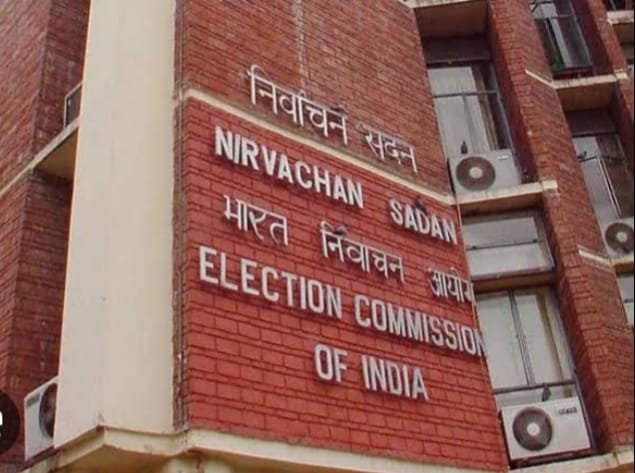
PATNA, July 15: – India’s Election Commission has reportedly identified several names on Bihar’s electoral rolls that belong to nationals of Bangladesh, Nepal, and Myanmar, raising concerns ahead of the state’s legislative assembly elections due later this year. The revelation comes during the Commission’s ongoing “special intensive revision” of voter rolls, which includes door-to-door verification by Booth Level Officers (BLOs). According to commission sources quoted by Indian news agencies, these officers have found foreign nationals in possession of Aadhaar cards, domicile certificates, and ration cards—documents typically required for inclusion on India’s voter rolls.
The discovery has triggered a political storm. Tejashwi Yadav, leader of the opposition Rashtriya Janata Dal (RJD), dismissed the Commission’s claim as baseless. “They say this is based on a ‘source’. This is not a source—this is nonsense,” Yadav said at a press conference in Patna. He further alleged that the revision process itself is flawed and chaotic. “Forms are scattered everywhere. In some places, they’re even being used to sell sweets,” he quipped.
Yadav warned that even if 1% of genuine names are wrongly excluded, nearly 800,000 voters could lose their right to vote. The Commission, however, claims that over 80% of forms have already been submitted.
Senior advocate and former Union Law Minister Kapil Sibal has also raised constitutional concerns about the process. In a media interview, Sibal called the entire exercise “unconstitutional,” asserting that the Election Commission has no authority to determine an individual’s citizenship status.
“This revision exercise is a deliberate move to build a majoritarian government in future elections by targeting the poor, marginalized, and tribal communities,” said Sibal, who is representing one of the petitions in the Supreme Court challenging the voter list revision. The controversy underscores the political sensitivity surrounding voter eligibility in India, particularly in states with high migration and complex demographic profiles. The Supreme Court is currently hearing petitions challenging the legality and fairness of the Commission’s actions.