Tamil Nadu has unveiled its own state education policy that prioritises only Tamil and English as mediums of instruction in schools, rejecting the Hindi-inclusive framework outlined in India’s 2020 National Education Policy (NEP).
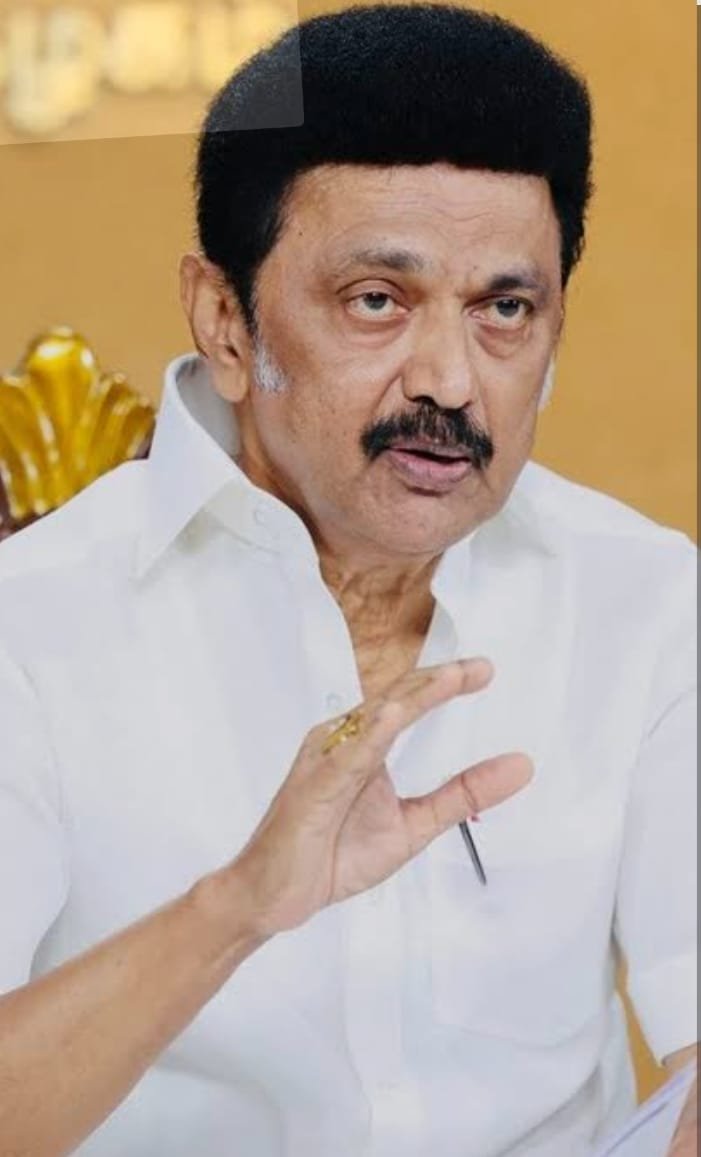
Chief Minister M.K. Stalin announced the policy on Friday in Kotturpuram, saying it was essential to protect regional languages and cultures from what he described as the historical imposition of certain languages at the cost of others. “In the past, regional and people’s languages have been destroyed by forced imposition. We will not allow this to happen in Tamil Nadu,” he said.
The move formalises the state’s long-standing two-language formula — Tamil and English — and pointedly excludes Hindi. Work on the policy began in 2022, when a 14-member committee led by retired Justice Murugesan was formed to draft recommendations. The committee submitted its report in July last year.
Tamil Nadu has been one of the most vocal critics of the NEP since its launch in 2020, joining states like West Bengal and Kerala in opposing its language requirements. The NEP mandates that students learn their mother tongue as the first language, Hindi or English as the second, and an ancient Indian language as a third — a provision that has triggered protests in several non-BJP-ruled states.
Stalin has also publicly opposed what he calls “Hindi imposition” in other contexts, recently expressing solidarity with West Bengal during a controversy over Bengali. He has accused northern states such as Uttar Pradesh and Bihar of losing linguistic diversity due to Hindi dominance, citing the decline of languages like Bhojpuri, Maithili, Awadhi, Brajbuli and Bundeli.
Friday’s announcement cements Tamil Nadu’s stance that education policy should be tailored to the state’s cultural and linguistic identity, even if it means diverging from national guidelines.