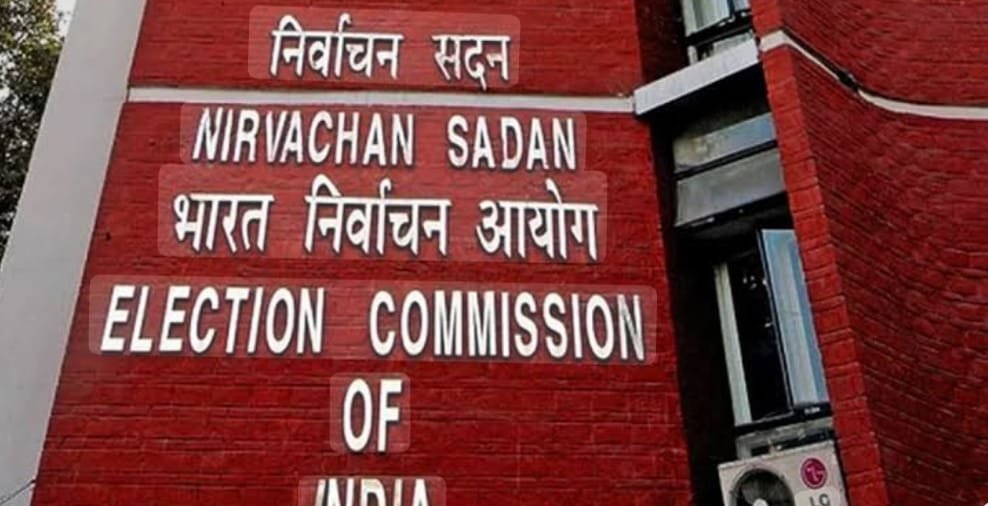
After Bihar, the Election Commission of India (ECI) is set to roll out a Special Intensive Revision (SIR) of the electoral rolls across the country, directing all states to complete preparations by Sept. 30. Officials said a formal notification could be issued in October, though no exact date has been announced.
At a meeting in New Delhi on Wednesday, the ECI instructed chief electoral officers of all states to wrap up infrastructure readiness within this month. What remains unclear is whether the process will begin simultaneously nationwide or be prioritized in states heading to assembly elections next year.
Five states — West Bengal, Tamil Nadu, Assam, Kerala and Puducherry — are scheduled for polls in 2026, making them likely candidates for the first phase of the SIR.
But political tensions have already surfaced in West Bengal. Chief Minister Mamata Banerjee, while touring north Bengal, voiced strong objections, saying the process cannot be completed within a few months.
“SIR is not a two- or three-month exercise. It takes two to three years to conduct properly,” Banerjee said. She accused the commission of acting in favor of the Bharatiya Janata Party (BJP), echoing charges her Trinamool Congress has made repeatedly in the past.
Despite the criticism, the state election machinery has informed the national commission that Bengal is ready to begin the exercise, with infrastructure and staff in place.
The controversy is not without precedent. In Bihar, opposition parties alleged that the recent SIR resulted in 6.5 million names being deleted from the rolls, accusing the commission of bias. The ECI countered that safeguards had been introduced to prevent genuine voters from being removed.
An election commission official noted that Bengal had a turbulent history with such revisions. “In 2002, nearly 2.8 million names were deleted from the state’s 45.8 million voters. This time, lessons have been learned, and the process will be more transparent and technology-driven,” the official said.
Still, Banerjee’s open opposition has raised expectations of fresh political confrontations. Observers say the coming weeks will show whether the Election Commission sticks to its nationwide rollout plan or makes exceptions for politically sensitive states.