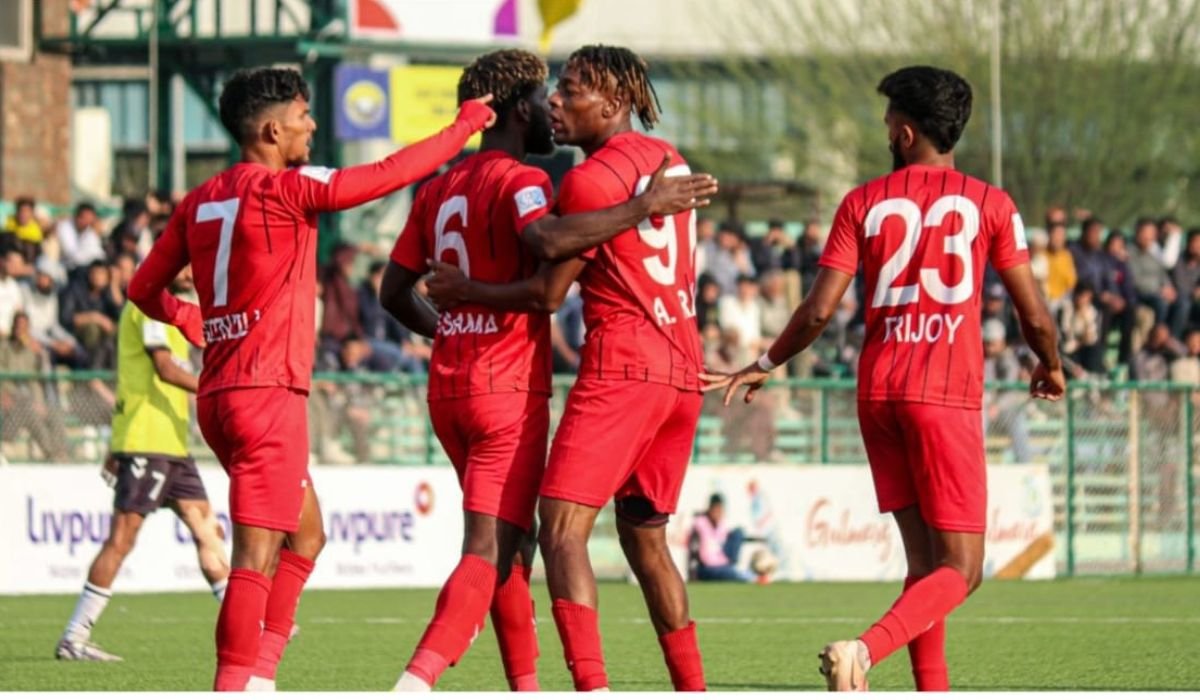
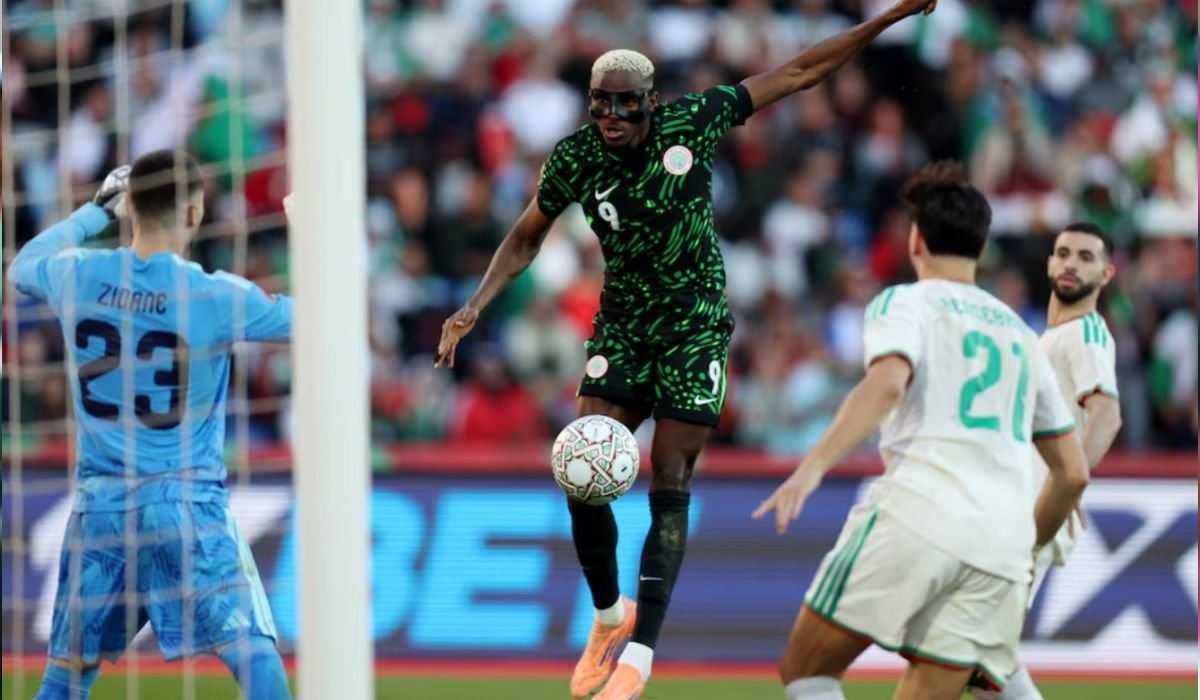
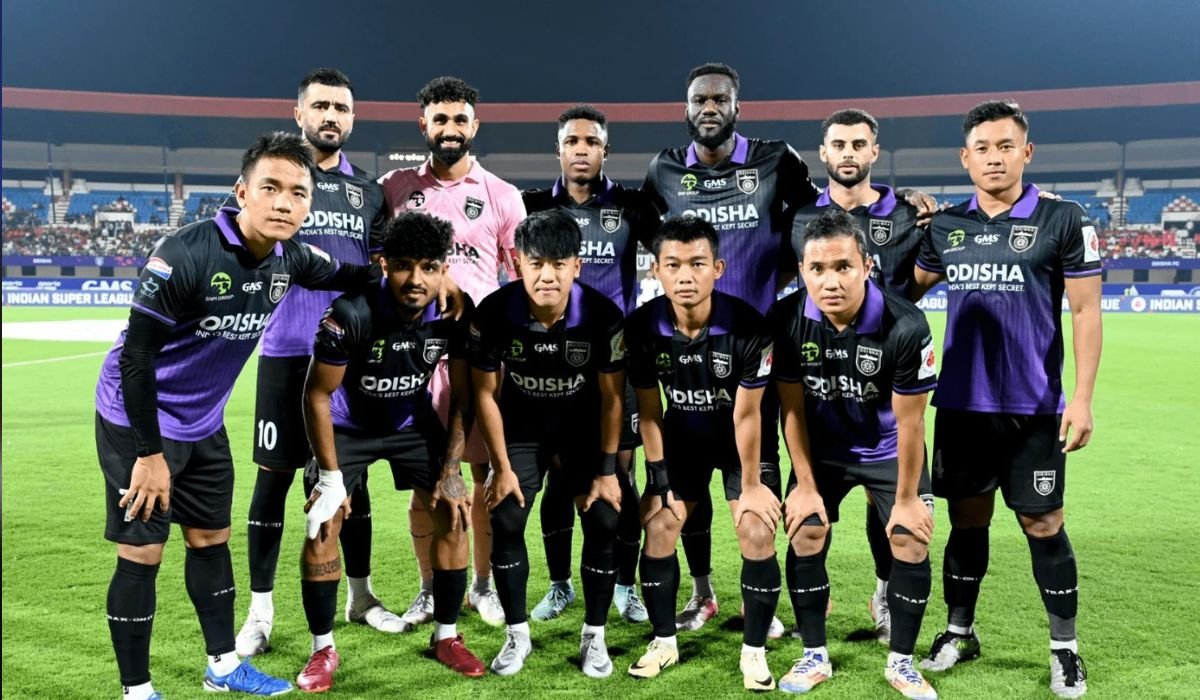
ISL (Indian Super League) and the I-League both are under the jurisdiction of the AIFF. However, there is a stark contrast in how the two leagues are governed and operated. AIFF has maintained completely different rules for I-League. Extended from the exercise of veto power, the federation has adopted completely different frameworks for the two competitions. It has become more evident from the proposed governance structure for the I-League.
At present, one of the most debated aspects of the ISL is the extensive veto power held by the AIFF across all major decisions. In contrast, the federation appears far more flexible when it comes to the I-League. In matters such as broadcasting, sponsorship, and commercial rights, I-League clubs will have a shared role alongside the federation. In the ISL, however, all such powers remain firmly with the AIFF.
Financial responsibilities also differ sharply. In the I-League, clubs will bear a larger share of operational costs, with 60 percent of the funding coming from the clubs and only 40 percent from the federation. This is another point of divergence from the ISL model.
The newly proposed I-League governance committee grants each club one voting right—something that ISL clubs do not enjoy in their governing council. Similarly, in revenue distribution, the total earnings will first be assessed before any allocation is made. In many ways, the I-League regulations appear to be the exact opposite of those of the ISL.
Interestingly, while a governing council has been formed for the I-League, full control will still rest with the federation. In the ISL, on the other hand, the newly formed governing council will run the league.