
AIFF initiates for a separate footballers’ union! Receives wrath from the world body
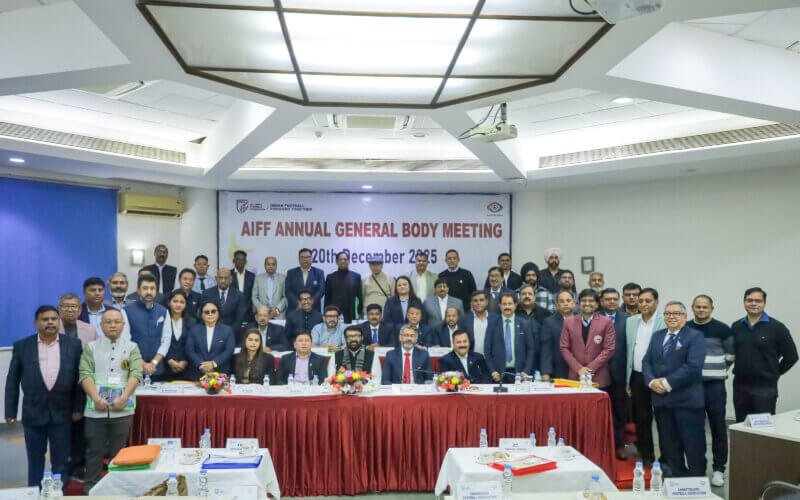
The AIFF has initiated for the build-up a separate Football Players’ Association! But this move faces criticism from the the world body of Professional Footballers’ Union, FIPRO. FIPRO is concerned with the attempt to control players rather than allow genuine independent representation. The organization expressed deep concern on Sunday about the All India Football Federation’s (AIFF) initiative to introduce its own footballers’ association. Last week, the AIFF opened registrations to form its own National Players’ Association (NPA), which included a set of criteria for interested applicants, including playing the sport at an elite level in the country. The NPA is an independent body represented by football players. Despite being an independent body, the NPA will not have a separate identity according to the AIFF Constitution’s Schedule IV, Article 1.4. And therefore, the body will not have the authority to act on behalf of AIFF or to represent it to any third parties. The most interesting part of AIFF’s initiative is that NPA will not have any authority to legally bind or commit AIFF in any way. The AIFF said elections for the office bearers of the NPA board will be conducted by the federation’s election committee. FIFPRO is deeply concerned by the All India Football Federation’s (AIFF) decision to start a process to create a players’ association under its own control. This is an attempt to bypass the Football Players’ Association of India (FPAI), the legitimate representative body of professional footballers in India,” FIFPRO said in a statement. “A players’ association effectively controlled by the federation would deprive players of an independent union, as well as meaningful influence and collective bargaining power, all of which are fundamental to effective worker representation under International Labour Organisation standards,” the Body added. “All top professional football leagues around the world have independent player unions. Regrettably, AIFF is following a broader and increasingly visible tactic in football governance, whereby so-called “yellow unions” are created to weaken, bypass, or delegitimise genuine and independent player representation.” FIFPRO also stated that it had already reached out to AIFF, FIFA, and AFC via a letter in October, addressing the issues plaguing Indian football. FIFPRO emphasized that authorities must respect international labour standards, democratic principles, and the right of Indian professional footballers to be represented by an independent, player-led union, highlighting their belief that AIFF’s move undermines these rights.
Cash-strapped AIFF forms two separate committees to review ISL and I-League clubs’ proposals again
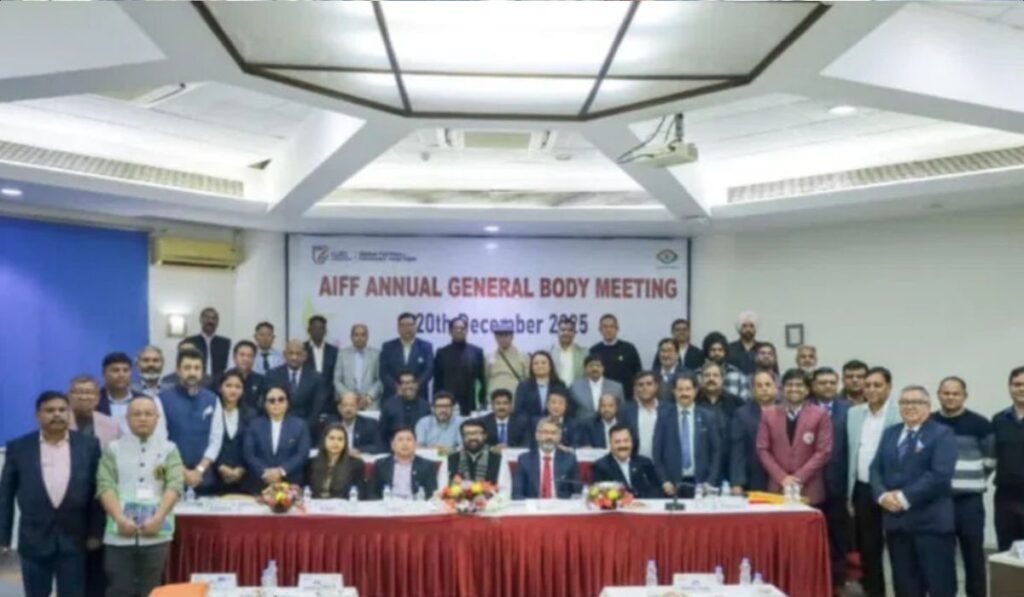
The All India Football Federation (AIFF) formed two separate committees after its annual general meeting on Saturday to discuss proposals of ISL and I-League clubs before formulating a plan to organize the country’s two topmost competitions. Having received offers that would have only regulatory and statutory authority and rights fee amounts far less than what it has received from its erstwhile commercial partner, Reliance-owned FSDL (Rs 50 crore per annum on average), the AIFF has decided to explore whether it could conduct the league on its own. ISL clubs insist they were compelled to put forward an offer where they would enjoy absolute authority over key areas since AIFF hasn’t yet put any plan for consideration. The AIFF faced a blow as it announced a deficit of Rs 25.88 crore in the budget for January to May 2026, at the AGM. Despite the acute financial crisis one of the senior executive committee members asserted that that AIFF itself would organize the league after some members expressed reservations n proposals of guaranteed income of Rs 10 crore from 2026-27 for grant of Rs 10 Crores perpetually and Rs 50 crore in 15 years from I-League sides (Rs 2.75 crore per annum for first five years, Rs 3.25 crore per annum for the next five and Rs 4 crore for the last 15). No immediate indication was forthcoming regarding the procurement of funds to organize the two leagues. However, two separate four-member committees, involving three state unit officials and Deputy Secretary M. Satyanarayan as chairperson of both, would engage with the clubs to find a feasible way. AIFF has a fixed deposit of Rs 50 crore, though it wasn’t instantly clear if it would be used in these times of acute stress. The two committees would submit reports by 29th December, which could then be taken up by the Union Sports Ministry for placement in front of the Supreme Court when it resumes on 5th January in the new year after a winter break. “If necessary, the AIFF will consult with FIFA and the AFC to review how similar situations in other nations were handled as precedents,” AIFF said in its statement.
I-League Clubs’ proposal to the AIFF for a new League with 18 teams!
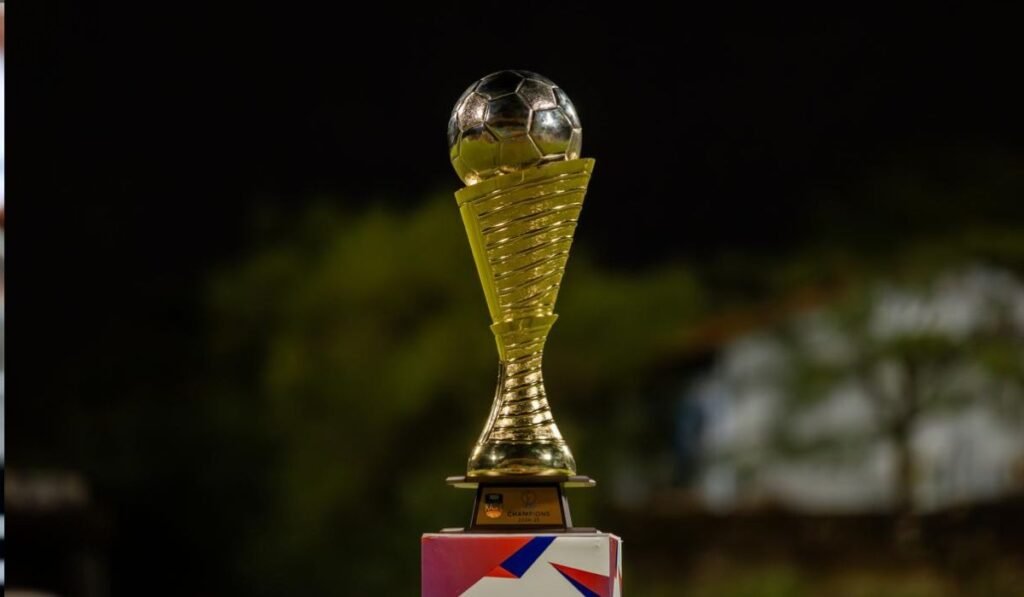
I-League clubs have submitted a proposal to revive the I-League. According to the plans, a new league, to be named Indian Football Premier League (IFPL) can be hosted by the clubs themselves. According to the proposed plans I-League clubs will form a consortium and they are reportedly ready to contribute Rs. 50 crore in total to AIFF for the next 15 years to make this vision a reality. Meanwhile, AIFF executive committee member Avijit Paul has sent a strong email to AIFF President Kalyan Chaubey opposing the Indian Super League (ISL) clubs’ offer of Rs 10 Crore to the AIFF from the next season. Paul calls the proposal “unacceptable” and an attempt to undermine the authority of Indian football’s top governing body. In his letter, Paul responded to the joint communication sent by a majority of ISL clubs to the AIFF and the Ministry of Youth Affairs and Sports, which proposed granting perpetual rights to a club-owned company to operate India’s top-tier professional league under its regulatory oversight. The AIFF Executive Committee member said the proposal conflicts with its Constitution and ongoing legal proceedings before the Supreme Court of India.
T-20 World Cup: Kishan back, Gill out from Indian team
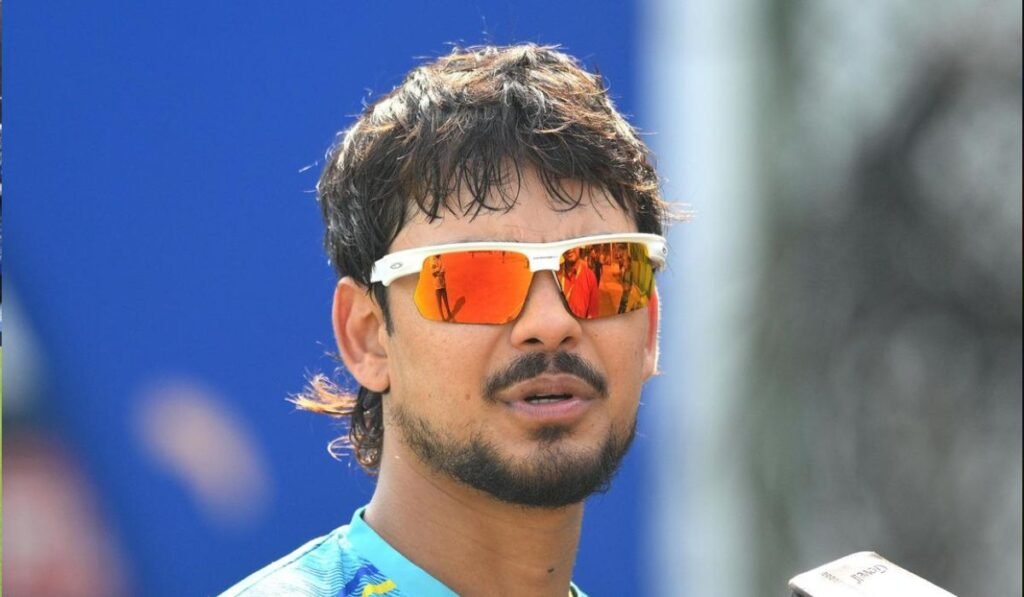
Ishan Kishan returned to the Indian team for the forthcoming T-20 World Cup after a gap of more than two years. The T-20 World Cup is scheduled to be held in February next year. BCCI announced the team on Saturday. Kishan, whose last T20 international was against Australia in 2023, has proved his mettle in domestic and first-class cricket. Ishan Kishan had an outstanding performance in the recently concluded Syed Mushtaq Ali Trophy, where he was the highest scorer with 571 runs, guiding Jharkhand to clinch the title. The 15-member squad, announced for the T20 World Cup 2026, will also feature in the five-match T20I series against New Zealand in January. However, Shubman Gill has missed out on a spot in India’s T20 World Cup squad, with his recent numbers in the format weighing heavily against him. The India Test captain has gone 18 T20I innings without a half-century, a prolonged drought that has weakened his case in a format driven by output and immediacy. The recently concluded T-20I series against South Africa did little to change perceptions. Gill managed scores of 4, 0 and 28, reinforcing concerns over his impact and reliability at the top of the order.
Bala Devi still a strength, says Technical Director; Fitness trainer’s inclusion bolsters the girls
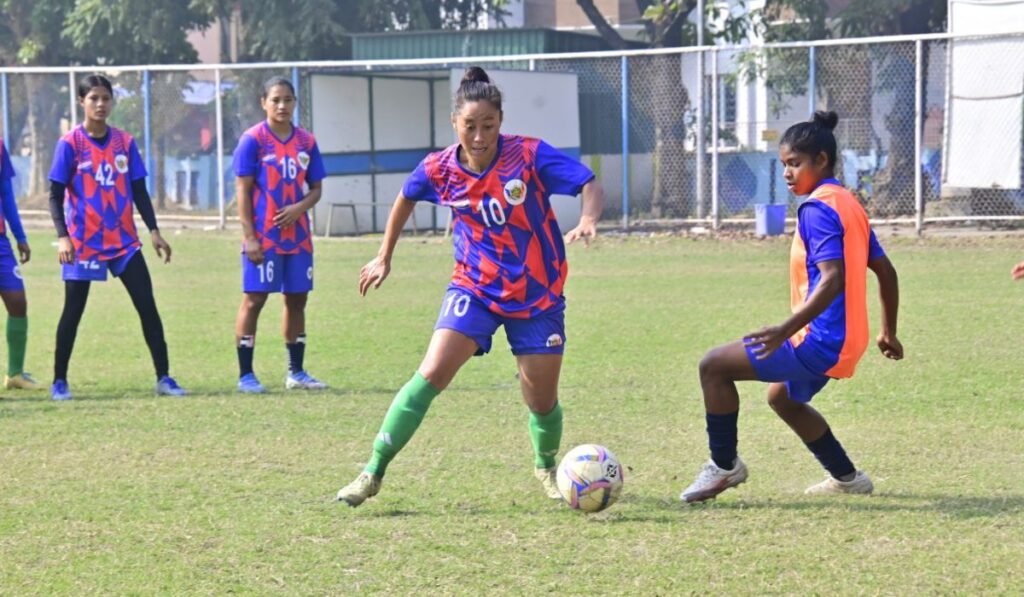
The think-tank of Shreebhumi FC seems more positive this year, ahead of their second season in the Indian Women’s League (IWL), which finished third in their debut in the elite Indian Women’s League (IWL) last season. One of the reasons is the inclusion of a fitness and a physical trainer. Technical Director, Shukla Dutta, says, “The girls look fitter, more competitive this time in the training.” The team have been preparing for almost a month at Kalyani Stadium ground. The team’s chief coach, Sujata Kar also agreed to the point, stating, “Fitness and physical trainer’s joining have strengthened the preparation. Still, we did not get 11 of our footballers during most of our preparation as all of them went to play for the country in the under-17 and under-20 categories.” Shreebhumi FC has signed a few Indian internationals, including Anju Tamang, Shibani Nongmeikapan, and Thoibisana Toijam, along with seasoned campaigners like Rimpa Halder, Moushumi Murmu, and Bala Devi, who wore Shreebhumi FC shirts last season. Sujata herself also wants to make a fresh beginning after a gloomy phase as the coach of Southern Samity in the CFL last season. “I am always in a learning process. So, I am looking forward to a new season to prove my mettle again,” added the coach. When asked about the players’ strength in the team, Shukla Dutta mentioned Bala’s name, adding, “She has a huge experience and she still guides the youngsters in a way that has been an example and additional motivation for them. I feel Bala Devi is still a strength for us.”
ISL clubs’ proposal: Only Rs 10 crore to the AIFF from next season and demand for total rights of League!
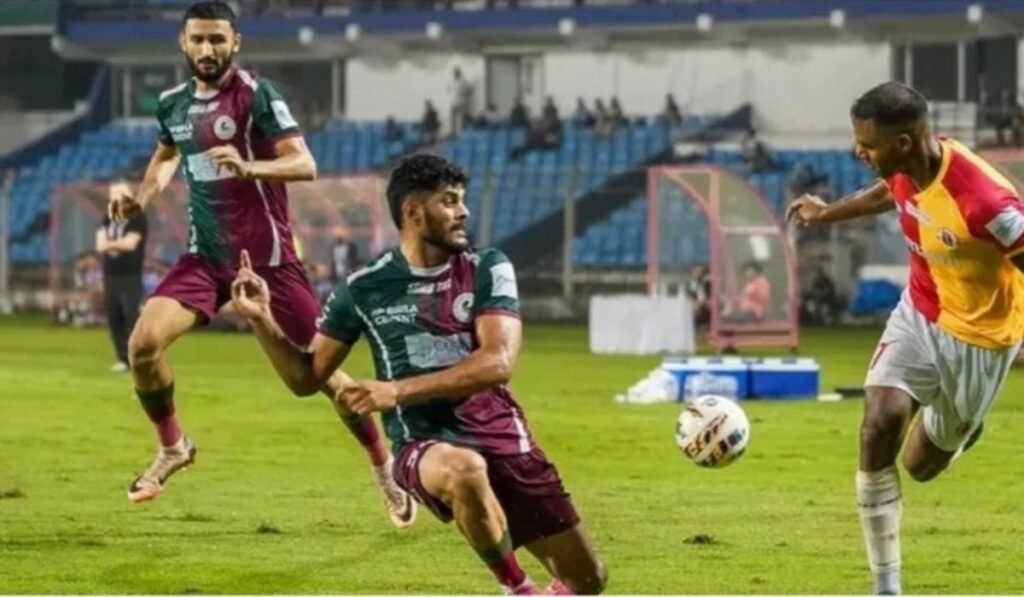
Indian Super League clubs, except East Bengal, following a meeting on Friday has proposed to the AIFF and Union Sports Ministry in a joint email where the clubs have sought perpetual rights to “operate, manage, and commercially exploit” the top-tier professional league and at the same time, they have mentioned unwillingness to pay any amount to the AIFF this season. Rather, in their e-mail the clubs have mentioned they will pay an amount to the AIFF, but only Rs 10 crores, and that will start from 2026-27 onwards. The clubs have also pointed out that the Federation can utilize the amount for grassroots and youth development, referee, coach, and technical development, apart from administrative and governance expenses. It has also been proposed that AIFF should give them an official approval for the rights of the League and ownership structure to a “dedicated league company in perpetuity, where the clubs shall collectively hold a “permanent” majority shareholding pattern. “AIFF shall hold one special share, safeguarding sporting integrity, regulatory authority, and statutory compliance; and the Clubs shall have the flexibility to induct a commercial or strategic partner at the league level, provided always that the Clubs, individually and collectively, retain majority ownership and voting control,” it is written in the letter. The clubs want to have the majority of shareholding in the League company even after dilution of stakes to induct a commercial partner, with AIFF having the perpetual right to nominate only one director on its board. Surprisingly, the clubs have not mentioned the promotion and relegation from the ISL in their proposal e-mail. In the proposed framework, AIFF role would only be limited to “regulatory and governance functions”, which would include framing and enforcing competition regulations, disciplinary codes, club licensing requirements, referees and match officials and preparation of the schedule calendar, but would not bear any “commercial risk” or responsibility to operate the league. AIFF received Rs 50 crore of an average for the last 10 years as per its 15-year agreeement with Reliance-subsidiary FSDL that ended on December 8.
Tanzanian defender and Kenyan forward key to debutant Sesa FA’s show in the IWL
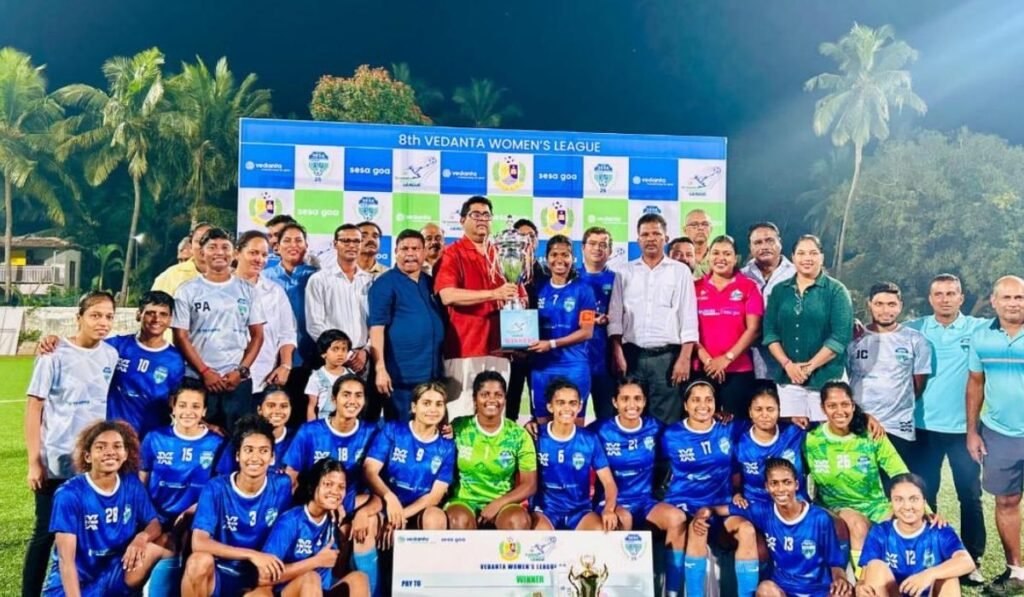
Among the eight teams competing in the Indian Women’s League (IWL), Sesa FA is the debutant, the fifth Goan club, and the first after a two-season gap. IWL is starting on 20th December. The team will begin their campaign on Saturday against fellow promoted side Garhwal United at the National Centre of Excellence in Kolkata. The side has roped in two experienced foreigners, Tanzanian defender Diana Antwi and Kenyan forward Omita Bertha, and they are likely to be the key footballers to bolster the team’s performance in the League. Both have represented the IWL sides Sethu FC and Gokulam Kerala FC, respectively. Along with them, eight Goan talents are also part of the squad, and the rest of the squad is comprised of players from across the country, many of whom have represented national teams at various age groups. Team’s chief coach, former India international Nicholas Rodrigues, sounded optimistic despite her girls taking part in the League for the first time. Rodrigues disclosed his key purpose is to instill a sense of belief among the girls. The coach believes that if there is steadfast support, then the results will follow. While Sesa will face tough challenges from the experienced IWL campaigners, Rodrigues promises the players who are already excited to have earned qualification for the elite IWL are ready to deliver their best.
59 injured after fans riot at Copa Colombia final
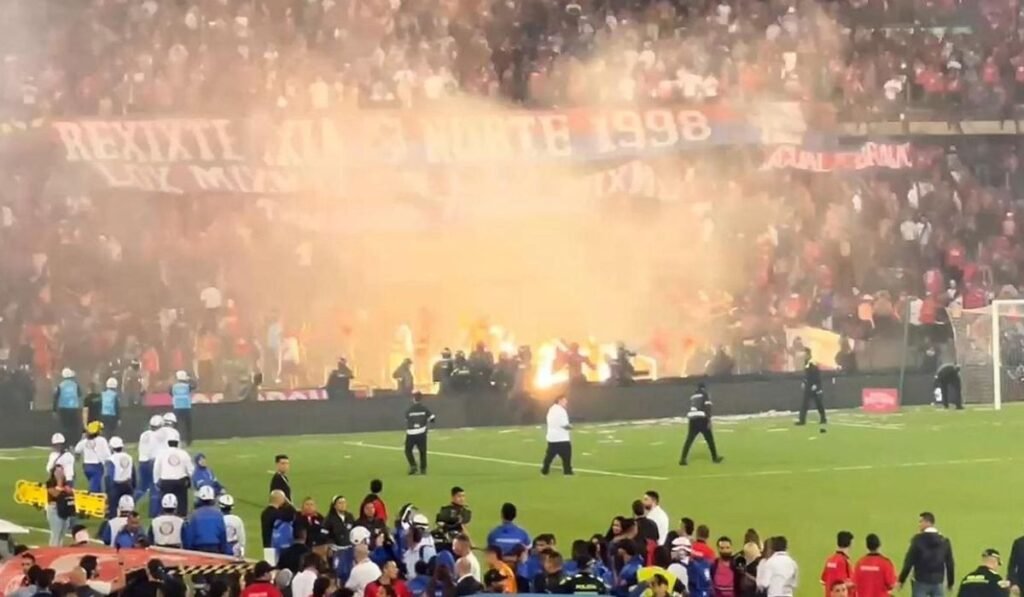
Medellin witnessed massive violence on Wednesday night after frantic fans of the rival teams were engaged in hostility, destroying stadium infrastructure and clashing with each other, including the police officers. Medellin Mayor Federico Gutierrez said there would be consequences for those who attended Wednesday’s Copa Colombia final to “generate violence” after 59 people were injured, including seven police officers, in clashes between rival fans. Violence broke out after Atlético Nacional defeated Medellín rival Deportivo Independiente Medellín 1-0 in the second leg of the Copa Colombia final at Estadio Atanasio Girardot. William Castano told news channel Teleantioquia that officers had seized weapons, flares, and fireworks from fans during checks at the stadium. “It was necessary to apply the graduated use of force, to help prevent the occupation of the pitch by the fans, to control outbreaks of public order disturbances, and to guarantee the safety of citizens attending the event,” Castano added. Mayor Gutierrez said on social media that the majority of fans at the stadium were there to watch football, but a group of “misfits” was intent on violence. “Anyone who went to the stadium to attack, destroy, or incite fear will be held accountable under the law. We will not allow a few to damage what belongs to everyone,” he wrote. “For years, we’ve been a beacon of peaceful football in our country and throughout Latin America. What a disappointment.”
Union Sports Ministry’s nod to the clubs to conduct ISL; Asks AIFF for AFC allotment
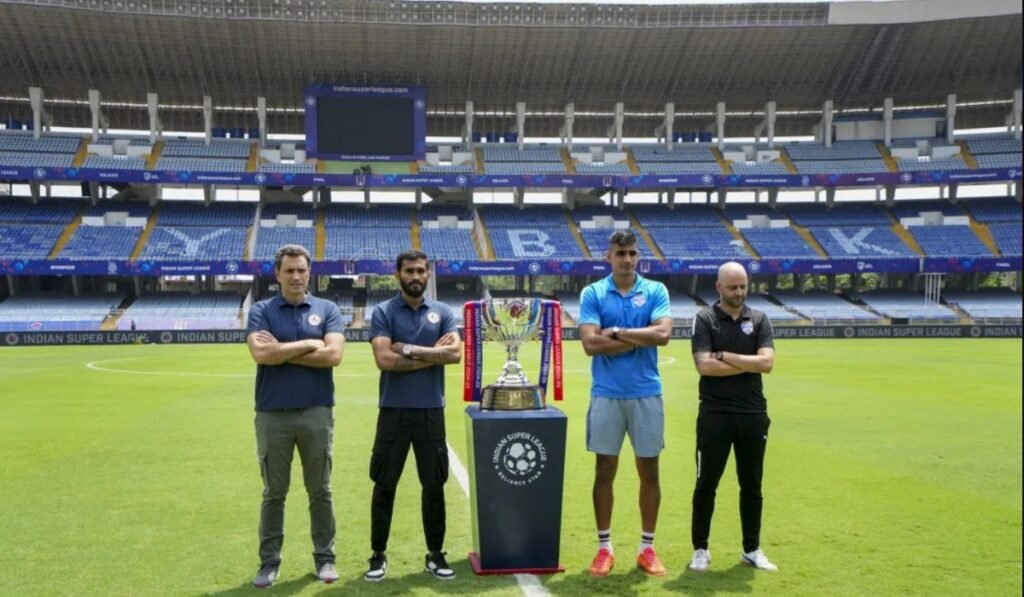
Union Sports Ministry, in a virtual meeting with the ISL clubs and the All India Football Federation (AIFF) top brass, has given a green signal to the clubs to conduct ISL, which is in a stalemate. The joint secretary of the ministry has asked the clubs to submit proposals for the ISL, both on a short-term and long-term basis. The ministry, however, has simultaneously asked the clubs to reduce the budget for the stadiums and training expenditures they spend on their home matches. The Union Sports Ministry, at the same time, has reminded the clubs to coordinate with the Asian Football Confederation (AFC) through the AIFF for its permission if a short-term ISL is proposed by the clubs for this season only. According to the AFC rule, the country’s top-tier league must have at least 27 matches. However, the ISL clubs requested the Union Sports Ministry and the AIFF representative to introduce a salary-cap for the players, divulging that they already spent an amount, out of their budget for the players amidst the ongoing impasse. East Bengal representative in the virtual meeting opined if the ISL is continued for the long term by the clubs themselves, then they will take part in the League but will not be a part of stake-holders. However, the clubs have informed Union Sports Ministry that they will submit proposals following a meeting in between them and submit the proposal to the Union Sports Ministry which will be deposited to the Supreme Court finally. Former vice-president of the Federation, Subrata Dutta, however, said, “Even if the Supreme Court approves proposal, then also ISL cannot be resumed by February.”
Journey of IPL’s new sensation Kartik Sharma: Father slept hungry, and mother sold jewellery!
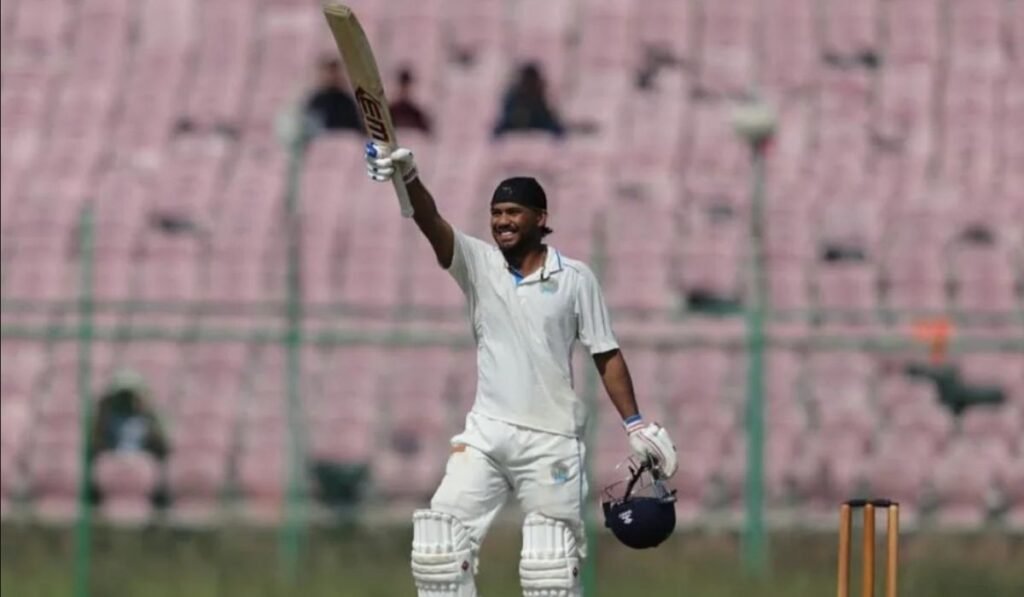
The journey of the Indian Premier League’s (IPL) new sensation Kartik Sharma is a story of sacrifice, spirit, and indomitable mental strength. Once forced to sleep hungry and stay in night shelters due to lack of money, Kartik is India’s most expensive IPL buy after being picked for Rs. 14.20 crore in the auction on Tuesday. After the selection, Kartik returned to his hometown, Bharatpur, with his parents. Members of the Bharatpur District Cricket Association (BDCA) gathered to honor the young cricketer whose rise made the entire Bharatpur proud. Kartik’s father, Manoj Sharma, who earns a modest living, recalled the hardships behind his son’s success. While speaking to IANS, he revealed, “Our income was low. But my wife, Radha, and I used to have a dream of making Kartik a cricketer, at any cost. The family sold their plots and farmland in Bahnera village. Kartik’s mother sold her jewellery. Manoj added, “It was a challenging phase of our lives, but we never made Kartik feel that it would not be possible fulfill the dream. One of the most defining moments of Kartik’s journey came during a tournament in Gwalior. Manoj accompanied his son, expecting the team to be eliminated within four or five matches—the only time they could afford to stay. But Kartik’s performance pushed the team into the final, and with no money left, father and son were forced to stay in a night shelter. “There was a day when we had to sleep hungry,” Manoj recalled. “Only after winning the final and receiving the prize money were we able to return home.” Kartik’s cricketing talent was evident early. At only two and a half years old, he picked up a bat and hit a ball so hard that it broke two photo frames at home. “That moment made us believe he was special,” his father said. Interestingly, Manoj himself was once a cricketer, but an injury ended his playing days. “I couldn’t complete my dream, so I decided my child would,” he said — a dream now fulfilled beyond imagination. Despite early promise, Kartik’s journey was far from smooth. He played at the Under-14 and Under-16 levels, but then went four years without selection. Many would have quit, but the youngster didn’t. “I just kept playing,” Kartik told IANS. “My father kept training me. Eventually, I got selected for Under-19, then the Ranji Trophy.” His strong performances at the domestic level finally opened the doors to the IPL. Despite his sudden fame, Kartik stays grounded. He completed Class 12 this year and intends to pursue his graduation alongside his cricket career. “My studies are important to me,” he said. His youngest brother plays cricket, while his middle brother is focused on academics — a reflection of the family’s belief in discipline and balance. Kartik’s story is now a symbol of hope for countless young athletes from small towns and financially challenged backgrounds. From selling land and jewellery to sleeping hungry in night shelters, his family’s sacrifices have culminated in a moment that has rewritten their destiny.


