
Student’s Death at Jadavpur University Sparks Outcry, Demands for Security
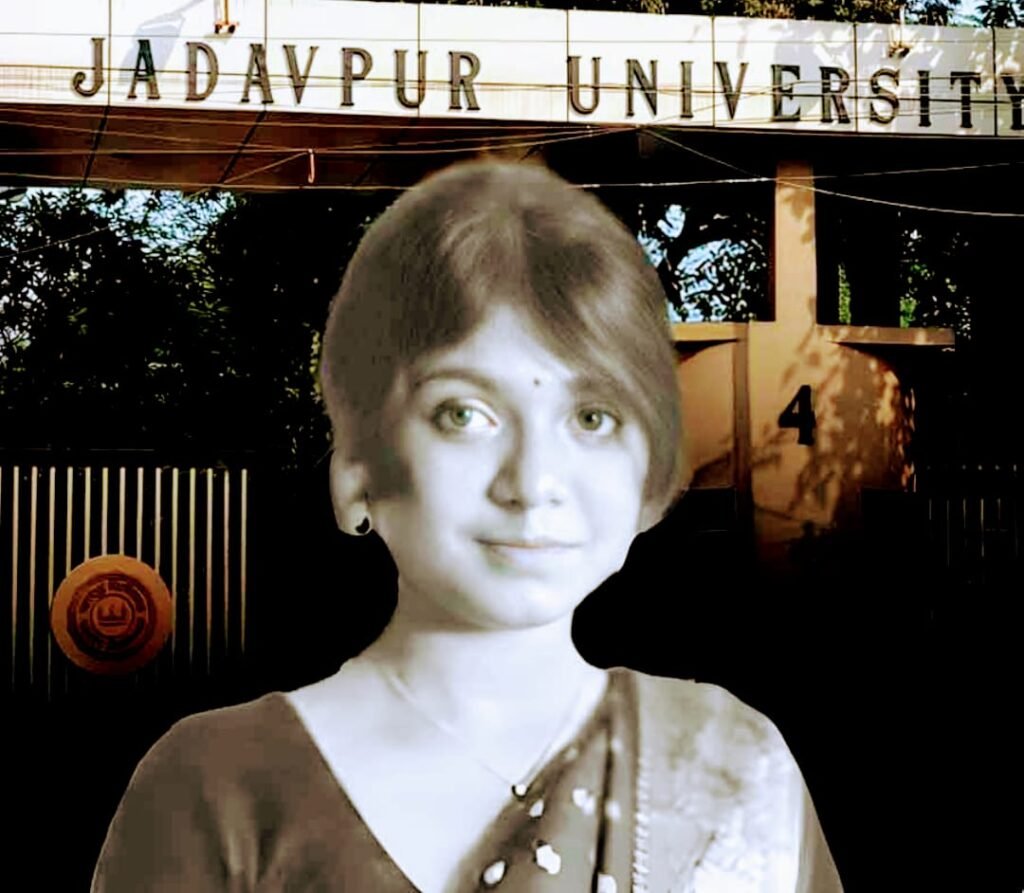
A third-year English undergraduate student at Jadavpur University was found dead Thursday night after being pulled unconscious from a pond near the campus’ Gate No. 4, triggering outrage among student groups and reigniting debates over campus safety. The victim, identified as Anamika Mondal, a resident of Nimta in Belgharia, was discovered around 10:20 p.m. floating in the pond adjacent to the Arts Faculty Students’ Union room, where a cultural program organized by the university’s “Drama Club” was underway. The event featured folk singer Gaur Das Baul and his troupe, and was attended by both students and alumni. According to eyewitnesses, Mondal was rushed out of the water by fellow students, who attempted CPR and tried to drain water from her lungs before taking her to KPC Medical College and Hospital nearby. Doctors there declared her dead on arrival. Police have registered a case of “unnatural death” and sent her body for post-mortem examination. Forensic teams are expected to visit the campus Friday. Investigators said they are examining footage from three CCTV cameras installed near Gate No. 4 — one facing the entrance, another near the security room, and a third covering the Arts Faculty area. Authorities are probing whether Mondal had slipped into the pond while walking toward two toilets located beyond the narrow pathway skirting the waterbody. “How exactly she fell into the pond remains unclear. CCTV footage may help us reconstruct the sequence of events,” a police official said. The incident quickly sparked political and student reactions. The Trinamool Congress Chhatra Parishad (TMCP) questioned why the university administration had permitted a late-night program. TMCP state president Trinankur Bhattacharya said, “This is extremely unfortunate. Two years ago, we lost Swapnadeep. Now again another student. These are not normal deaths. We have long demanded CCTV surveillance across campus and a permanent police outpost. Those who opposed these measures cannot shirk responsibility. The absence of a permanent vice-chancellor has only worsened matters.” TMCP vice president Sudip Raha echoed the demand, writing on X (formerly Twitter), “The necessity of CCTV at Jadavpur University has been proved again.” The rival Students’ Federation of India (SFI), however, criticized what it called opportunistic politics. SFI’s all-India general secretary and Jadavpur alumnus Srijan Bhattacharya said, “As an alumnus, I am shocked. Only Trinamool can indulge in political one-upmanship in such a tragic moment. There were CCTVs at RG Kar Medical College, yet Tilottama had to die there. At South Calcutta Law College, where there is no Left presence, another incident occurred. So CCTV alone is not the answer.” The tragedy drew chilling parallels to a 2023 incident, when a first-year Bengali student, allegedly a victim of ragging, fell to his death from a hostel balcony on the same campus. That episode had led to increased surveillance and installation of more cameras, though students say entry IDs are still not strictly checked. The latest death has left the campus in mourning and raised fresh concerns about the safety of students, especially in the absence of strong administrative leadership. As Mondal’s family awaits answers, students and alumni alike are bracing for yet another round of debate over whether Jadavpur University has done enough to protect its community.
Conservative Activist Charlie Kirk Fatally Shot at Utah Campus Event; Trump Calls It a ‘Dark Moment for America’
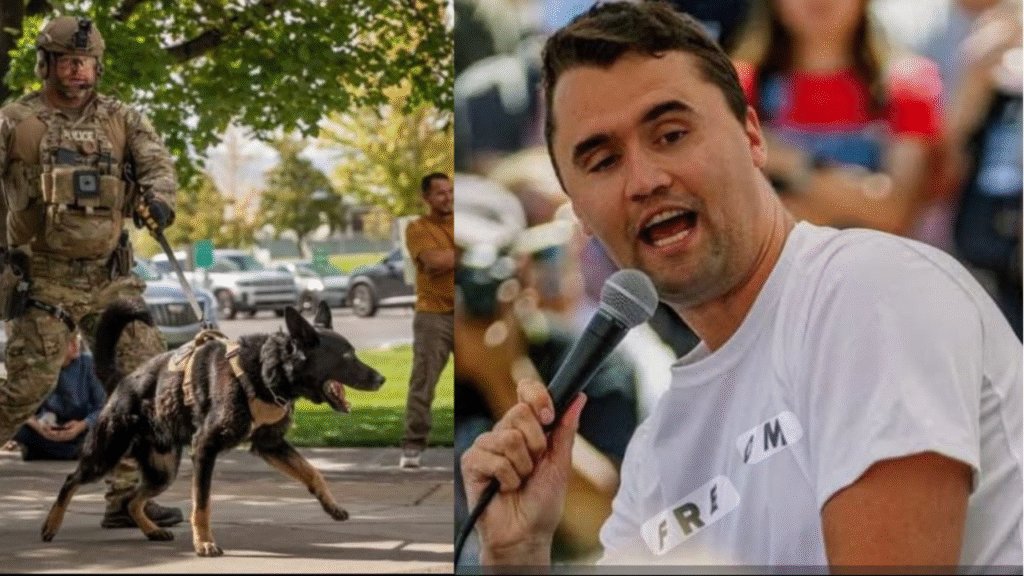
Conservative activist and prominent Trump ally Charlie Kirk was fatally shot during a campus event at Utah Valley University on Wednesday, prompting grief, outrage and a massive law enforcement manhunt for the shooter. He was 31. Utah authorities said the shooting appeared to be a “targeted attack,” with the fatal shot believed to have been fired from the roof of a campus building into a courtyard where Kirk was addressing about 3,000 people. Kirk, who founded the conservative group Turning Point USA at age 18 and was known as a close ally of former President Donald Trump and his family, was married and the father of two young children. “This heinous assassination fills me with grief and anger,” Trump said in a video message posted late Wednesday. Calling the killing “a dark moment for America,” Trump urged authorities to swiftly bring the perpetrator to justice. Two people initially detained near the scene were later released. Utah’s Department of Public Safety said they had “no current ties” to the attack. The shooter remains at large. The university was immediately placed on lockdown as heavily armed officers swept the area. Six campus security officers were on duty at the event, along with members of Kirk’s private security detail. A video circulating online showed Kirk fielding a question about mass shootings moments before a gunshot rang out, sending the crowd screaming and ducking for cover. Press Verify reviewed another clip suggesting the shot originated from a rooftop overlooking the outdoor quad. The killing has roiled political leaders in Washington. The House of Representatives held a moment of silence, but it quickly erupted into partisan shouting. Republican Rep. Lauren Boebert demanded aloud prayers for Kirk, saying, “silent prayers get silent results.” Several Democrats shouted back, “What about the kids in Colorado?” — a reference to a high school shooting that occurred the same day. First Lady Melania Trump also paid tribute, writing on X that Kirk’s children would now grow up with “stories instead of memories, photographs instead of laughter, and silence where their father’s voice should have echoed.” She said his life should serve as a reminder that “compassionate awareness elevates family, love, and country.” As the investigation continues, officials stressed that the community should remain vigilant. “This shooting is still an active investigation,” the Department of Public Safety said. “We are doing everything possible to track down the suspect.”
Election Commission Signals Special Voter Roll Revision Post-Puja
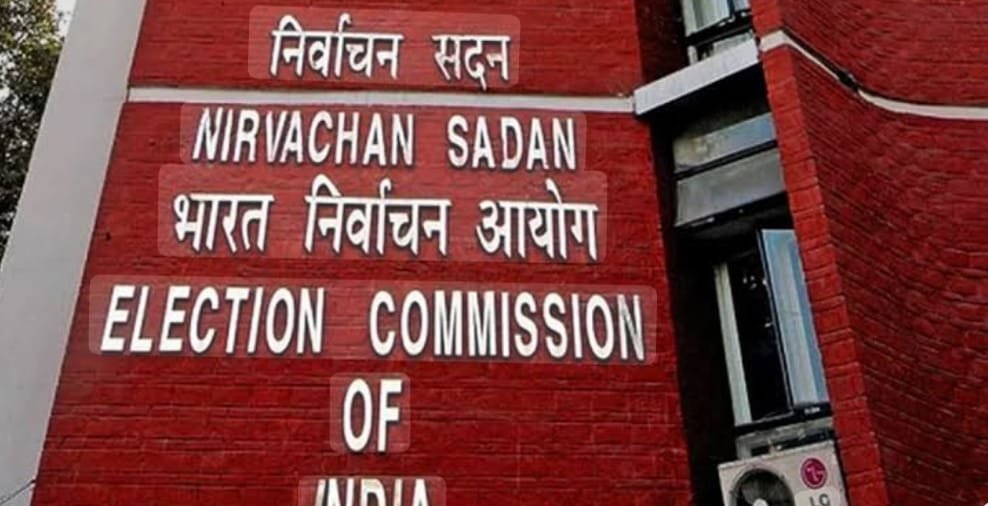
After Bihar, the Election Commission of India (ECI) is set to roll out a Special Intensive Revision (SIR) of the electoral rolls across the country, directing all states to complete preparations by Sept. 30. Officials said a formal notification could be issued in October, though no exact date has been announced. At a meeting in New Delhi on Wednesday, the ECI instructed chief electoral officers of all states to wrap up infrastructure readiness within this month. What remains unclear is whether the process will begin simultaneously nationwide or be prioritized in states heading to assembly elections next year. Five states — West Bengal, Tamil Nadu, Assam, Kerala and Puducherry — are scheduled for polls in 2026, making them likely candidates for the first phase of the SIR. But political tensions have already surfaced in West Bengal. Chief Minister Mamata Banerjee, while touring north Bengal, voiced strong objections, saying the process cannot be completed within a few months. “SIR is not a two- or three-month exercise. It takes two to three years to conduct properly,” Banerjee said. She accused the commission of acting in favor of the Bharatiya Janata Party (BJP), echoing charges her Trinamool Congress has made repeatedly in the past. Despite the criticism, the state election machinery has informed the national commission that Bengal is ready to begin the exercise, with infrastructure and staff in place. The controversy is not without precedent. In Bihar, opposition parties alleged that the recent SIR resulted in 6.5 million names being deleted from the rolls, accusing the commission of bias. The ECI countered that safeguards had been introduced to prevent genuine voters from being removed. An election commission official noted that Bengal had a turbulent history with such revisions. “In 2002, nearly 2.8 million names were deleted from the state’s 45.8 million voters. This time, lessons have been learned, and the process will be more transparent and technology-driven,” the official said. Still, Banerjee’s open opposition has raised expectations of fresh political confrontations. Observers say the coming weeks will show whether the Election Commission sticks to its nationwide rollout plan or makes exceptions for politically sensitive states.
Nepal Army Takes Charge After PM Oli Resigns, Unrest Persists Despite Curfew
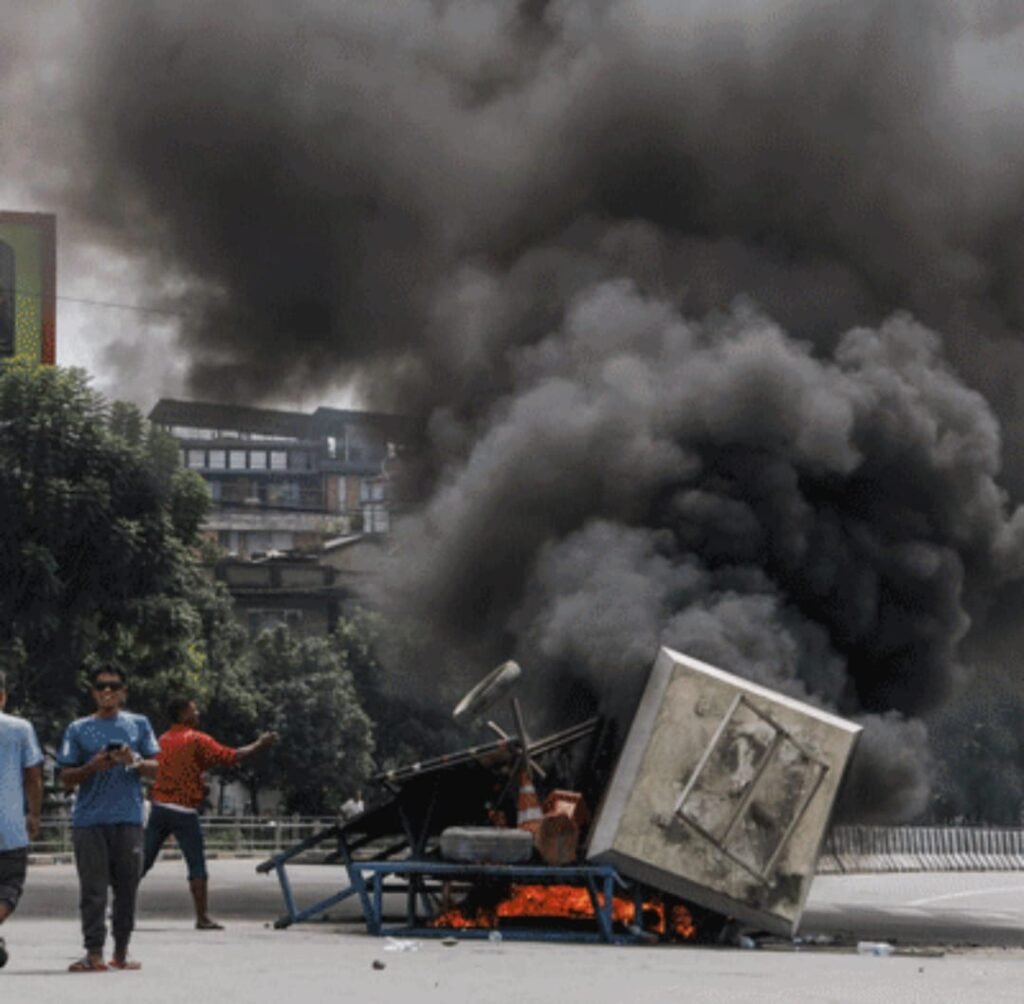
Nepal’s political crisis deepened this week as the army formally assumed control of the country following the resignation of Prime Minister K.P. Sharma Oli, but violent unrest and prison riots underscored the fragile state of order in the Himalayan nation. The army announced late Tuesday that it would govern until a new civilian government is formed, citing the need to restore stability amid escalating protests and violent clashes. Curfew orders have been imposed across major cities, and armored patrols now dominate Kathmandu and other sensitive areas. “Until a new government is established, the Nepal Army will oversee the administration to ensure sovereignty and public security,” Army Chief Gen. Ashokraj Sigdel said in a statement. He urged protesters to suspend demonstrations and join dialogue, warning that looting and vandalism would be met with strict action. The unrest, sparked by mass student and youth demonstrations in Kathmandu earlier this week, quickly spread nationwide. Protesters carrying placards and chanting slogans stormed streets, clashing with police in repeated waves of violence. On Tuesday, fires engulfed the Parliament building, as well as the residences of Oli and several cabinet ministers. Reports also surfaced of arson at Nepal’s Supreme Court. Prisons became a new flashpoint of violence. In Banke district, a confrontation at a correctional facility left at least five inmates dead and seven others wounded after police opened fire to stop a mass jailbreak attempt, according to local media. Similar incidents were reported in Pokhara, where protesters attacked jails, and authorities confirmed that around 1,600 inmates have escaped from prisons across the country in the chaos. The army has since deployed reinforcements around key government facilities, including Nepal’s main secretariat building, which is now under military control. “We are determined to safeguard sovereignty and citizens’ freedom, but certain vested groups are exploiting the unrest,” the army said in a separate statement, urging the public to remain vigilant. Efforts to negotiate a resolution are underway. Gen. Sigdel held talks late Tuesday with representatives of protest groups to hear their demands, while President Ramchandra Paudel is scheduled to meet a delegation of demonstrators on Wednesday with the army mediating. Observers hope the dialogue could pave the way for compromise and calm. Despite curfew measures, scattered clashes were reported Wednesday in several towns, though no major incidents of violence occurred. Authorities remain on high alert as thousands of demonstrators continue to defy restrictions. The crisis marks Nepal’s most severe political turmoil in years, raising fears of prolonged instability in the region.
CP Radhakrishnan Elected as India’s 15th Vice President With 452 Votes
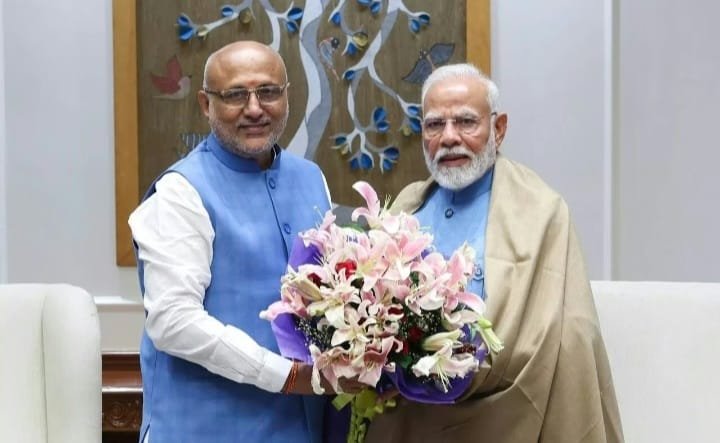
National Democratic Alliance (NDA) nominee and Maharashtra Governor C.P. Radhakrishnan was elected Tuesday as the 15th Vice President of India, defeating opposition candidate Justice B. Sudershan Reddy, a former Supreme Court judge. Radhakrishnan secured 452 votes in the contest, which was conducted in Parliament earlier in the day. Members of both the Lok Sabha and Rajya Sabha voted between 10 a.m. and 5 p.m., with over 98 percent of MPs casting their ballots. Counting began at 6 p.m. under the supervision of Returning Officer P.C. Mody, Secretary General of the Rajya Sabha. The election was necessitated after Vice President Jagdeep Dhankhar resigned from office on July 21 citing health reasons. Dhankhar, who had been in office since 2022, stepped down abruptly, creating a rare mid-term vacancy in the post. Radhakrishnan, a veteran BJP leader and two-time Lok Sabha MP from Tamil Nadu, enjoyed the ruling coalition’s numerical advantage in both Houses of Parliament. The NDA’s strength gave him a clear edge over Reddy, the INDIA bloc’s nominee. Still, the ballot was conducted through a secret vote, with MPs free from party whip, leaving room for speculation over possible cross-voting. Officials reported a smooth polling process inside the new Parliament building. After the counting concluded, results were announced in the evening, confirming Radhakrishnan’s comfortable margin of victory. With his election, Radhakrishnan will now assume office as the Deputy Chairperson of the Rajya Sabha, succeeding Dhankhar. The Vice President of India is constitutionally the second-highest office in the country, following the President, and serves as the presiding officer of the Upper House. Prime Minister Narendra Modi congratulated Radhakrishnan on his victory, calling him “a seasoned leader with years of legislative experience and dedication to public service.” Leaders from the ruling alliance described the result as a reaffirmation of the NDA’s majority in Parliament. The Opposition bloc, meanwhile, said its decision to field Reddy, a retired Supreme Court judge, was aimed at presenting “an alternative vision for parliamentary democracy.” Radhakrishnan is expected to be sworn in later this week, ahead of the Rajya Sabha’s next session.
ED Recovers Cash in Sand Mining Case After Statewide Raids in West Bengal
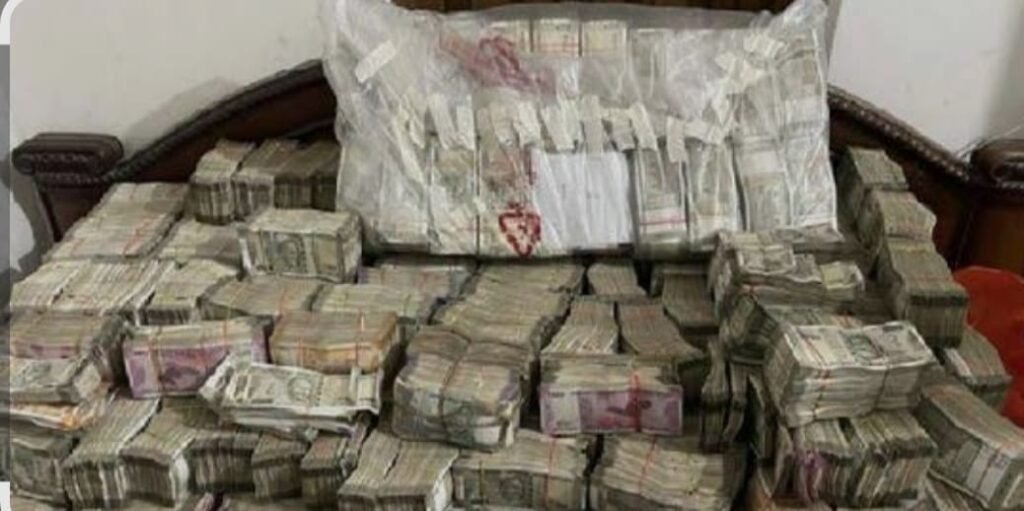
The Enforcement Directorate (ED) seized large amounts of cash during statewide raids in connection with an alleged illegal sand mining case in West Bengal on Monday, officials said. Nearly Rs 90 lakh (about $108,000) was recovered from properties linked to businessmen in West Midnapore and Jhargram districts. The searches began early Monday morning across multiple locations, including West Midnapore, Jhargram, North 24 Parganas, Nadia, and Kolkata. At least three vehicles carrying ED officials arrived at the Jamunabali residence of businessman Saurabh Roy, located in the Shiromoni area of West Midnapore, around 8 a.m., officials said. The raid at Roy’s residence lasted more than 13 hours. By the time officials left around 9 p.m., they carried two bags suspected to contain seized materials. Later, ED sources confirmed that investigators recovered approximately ₹65 lakh in cash, along with mobile phones, mining-related documents, and other papers of interest. According to investigators, Roy owns multiple sand quarries in Jhargram and operates a sprawling bungalow and office in Lalgarh. While his Jamunabali residence houses his mother, wife, son, and daughter-in-law, Roy himself was not present during the search, officials said. In a parallel operation, ED teams searched the home of another businessman, identified as Sheikh Zaherul Sheikh, in Gopiballavpur, Jhargram district. Nearly ₹25 lakh was recovered there, according to preliminary estimates. Other properties tied to Sheikh are also under the scanner, officials added. While ED officers did not issue a public statement at the search sites, the operations are part of an ongoing probe into alleged large-scale money laundering and unaccounted transactions linked to sand mining in the state, sources said. Illegal sand mining has been a long-standing issue in Bengal, drawing repeated criticism from opposition parties and environmental activists. The raids also extended to several addresses in North 24 Parganas, Nadia, and Kolkata, though officials have not disclosed details of recoveries from those locations. The ED, a federal financial crime-fighting agency, has stepped up its operations in Bengal in recent months, targeting alleged irregularities in coal and cattle smuggling cases as well. Monday’s operations mark one of the largest seizures in the sand mining case to date.
Protests Against Social Media Ban in Nepal Leave at Least 19 Dead, Hundreds Injured
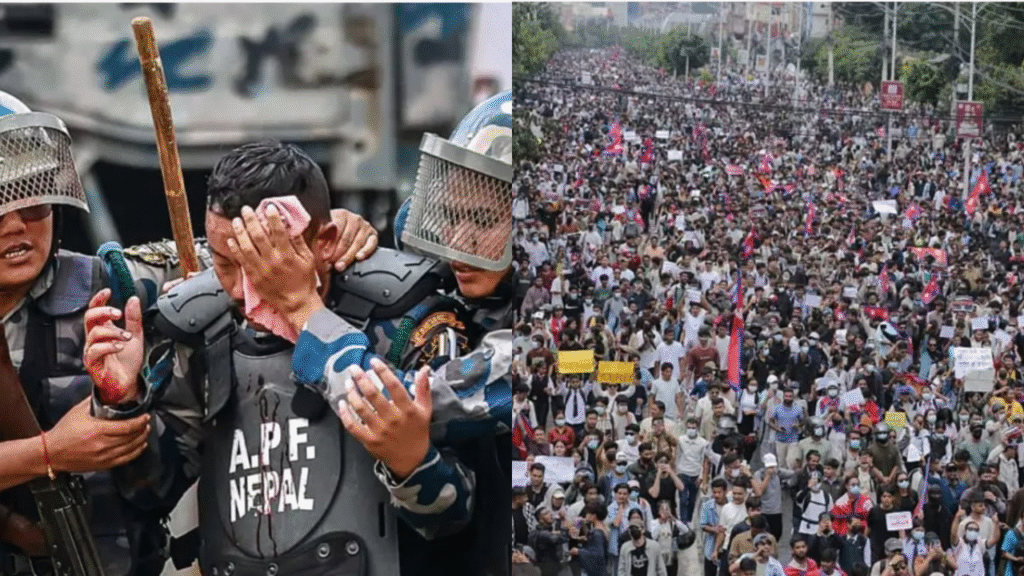
At least 19 people, including a 12-year-old child, were killed and more than 100 others injured Monday in violent clashes between security forces and protesters in Nepal’s capital after the government imposed sweeping restrictions on social media platforms. The violence erupted outside Nepal’s Parliament building in Kathmandu after thousands of young demonstrators, mobilized largely under the banner of “Generation Z,” defied curfew orders to protest the ban on Facebook, X (formerly Twitter), YouTube and several other platforms. Police fired rubber bullets, water cannons and tear gas shells to disperse the crowds after protesters broke through barricades and tried to storm the Parliament complex, officials said. Batons were also used as the situation spun out of control. “Protesters forcibly entered a restricted area, leaving security forces with no option but to use force,” Police spokesperson Shekhar Khanal told Press. The government last week ordered the blocking of 26 social media platforms that failed to register with the Ministry of Communication and Information Technology. Officials argued the ban was necessary to curb the spread of fake news, hate speech and online fraud. But the move sparked outrage among Nepal’s vast online population, many of whom rely on platforms such as Instagram and YouTube for news, entertainment, education and small businesses. “This protest is not only about social media,” said 24-year-old student Yuzan Rajbhandari. “We are also speaking against entrenched corruption that has become institutional in Nepal.” Some demonstrators carried placards reading “Enough is Enough” and “End Corruption.” Others chanted slogans against what they described as the government’s “authoritarian mindset.” In one video widely circulated on VPN-enabled feeds, a protester shouted, “If the children of ministers can have a bright future, why not ours?” Another demonstrator, student Ikshama Tumrok, said: “We want change. Our previous generations tolerated injustice, but we want this suffering to end with us.” The protests quickly spread beyond Kathmandu to other parts of Nepal as anger mounted over the restrictions. Curfew and Army Deployment Initially, authorities declared a curfew in Kathmandu’s Baneshwor neighborhood, where Parliament is located, but later extended it to all high-security areas of the capital, including the presidential palace, the prime minister’s residence at Baluwatar, Singha Durbar government complex, and the vice president’s home. Residents were ordered to stay indoors and avoid gatherings. Army spokesperson Rajaram Basnet told the Press that a “small unit” of soldiers had been deployed after the curfew was imposed, underscoring the seriousness of the unrest. Communication Minister Prithvi Subba said security forces had no alternative but to resort to force once protesters stormed into protected zones. “The situation became such that the use of water cannons, rubber bullets and batons was unavoidable,” Subba said. Ban Triggers Wider Debate The government has maintained it does not intend to “ban social media” but wants platforms to comply with Nepali laws and register locally. Two companies have since registered, and their services were unblocked, officials said. Still, analysts say the restrictions risk further alienating young Nepalis, many of whom see social media as a vital part of their lives and livelihoods. Nepal’s Supreme Court in September 2024 directed the government to regulate social media platforms more strictly. Authorities have since taken steps to enforce compliance. Earlier, the government had temporarily banned TikTok, lifting the restriction only after the platform pledged to follow national laws. In July, authorities also blocked the Telegram messaging app, alleging its use in online fraud and money laundering. Monday’s crackdown marks the bloodiest episode yet in Nepal’s escalating confrontation over digital freedom. Government May Reconsider In the wake of the deadly clashes, government sources told local media that authorities were now considering lifting or easing the restrictions. The violence has drawn criticism from rights groups, who warned that suppressing online platforms and cracking down on peaceful assembly would deepen political instability. “The government underestimated the anger of a young generation that views social media as more than just entertainment — it is their link to the world, their livelihood and their voice,” said one Kathmandu-based analyst. As Nepal reels from the violence, many fear more unrest ahead unless the government quickly addresses both the ban and broader grievances over corruption and governance.
Hasina moves to settle Awami League succession with family at the helm
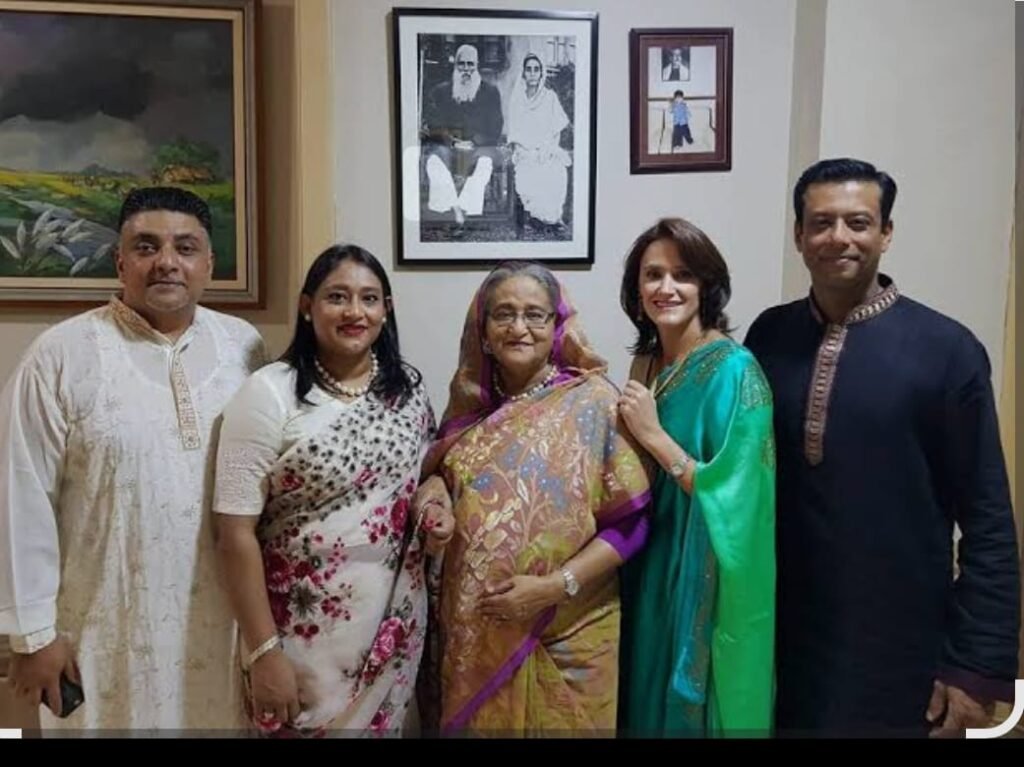
For more than four decades, Sheikh Hasina has been at the helm of Bangladesh’s ruling Awami League, steering the party since May 17, 1981. But after her ouster from power last year, questions of succession that she had long avoided are now forcing their way to the forefront. Hasina, 77 this month, has never publicly outlined how the party would function in her absence. Observers say that lack of a succession plan contributed to the Awami League’s rapid collapse after she was forced from office on Aug. 5, 2024. The interim government that took over subsequently banned the party’s activities, leaving grassroots workers without clear leadership. Since then, Hasina has been living in India as what officials describe as a “guest” of New Delhi, with tight restrictions on her movements and contacts with her followers. From there, under both political pressure and personal considerations of age, she is now preparing to settle the issue of who leads the Awami League after her. Party insiders and political analysts say Hasina has finalized a plan to bring her son, Sajeeb Wazed Joy, and daughter, Saima Wazed Putul, into the party’s top ranks. In addition, her sister Sheikh Rehana’s son, Radwan Mujib Siddiq Bobby, is also expected to play a role. The model, observers note, resembles India’s Congress Party, where Sonia Gandhi positioned her children, Rahul and Priyanka, as future leaders. Joy, a U.S. citizen and permanent resident, has emerged as the Awami League’s chief spokesman abroad, giving frequent media interviews and representing the family’s political line. Putul, until recently the World Health Organization’s regional director in New Delhi, has gone on indefinite leave from the post and is now stepping fully into politics. Hasina’s reliance on her children underscores how dynastic politics continues to dominate in South Asia, where leadership transitions often bypass internal party democracy. Critics argue such moves risk alienating the Awami League’s grassroots and further weaken its organizational base. Still, for Hasina, who has led the party through exile, opposition and long years in office, the urgency to secure her family’s hold on leadership appears stronger than ever.
ED raids 22 locations in Bengal in illegal sand mining probe
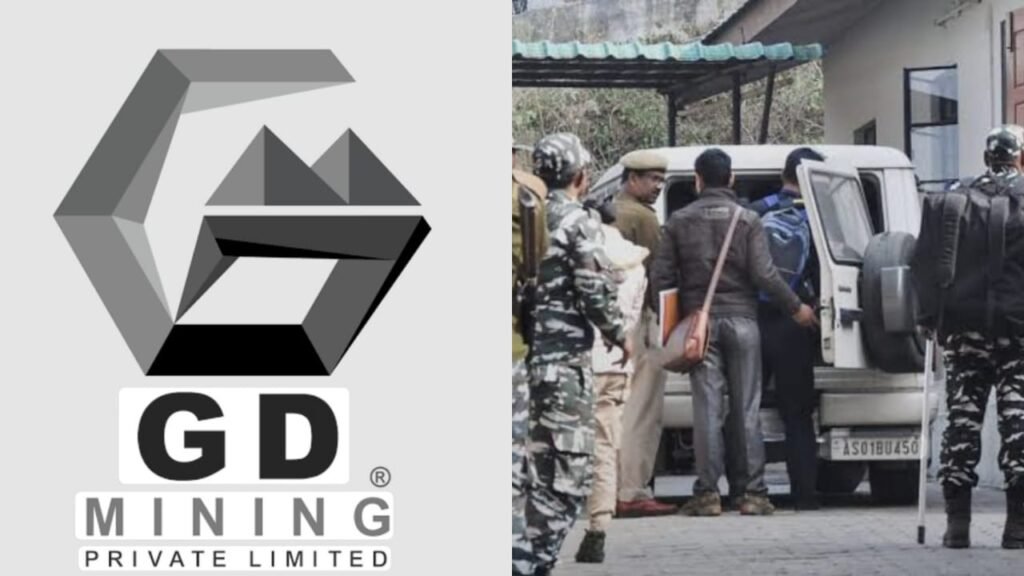
The Enforcement Directorate (ED) on Monday carried out searches at 22 locations across West Bengal in connection with an alleged illegal sand mining and money laundering racket, officials said. The early morning operation stretched across multiple districts, including Jhargram, Kolkata, North 24 Parganas and Nadia. Teams of ED officers, accompanied by central security forces, descended on residential properties, offices and vehicles linked to sand mine owners, businessmen and alleged intermediaries. One of the key targets of the search was the sprawling residence of Sheikh Jahirul at Nayabasan in Gopiballavpur-I block of Jhargram district, located close to the Subarnarekha river. Jahirul, a former village police volunteer, is accused of abandoning his job to enter the sand trade, amassing wealth and multiple sand quarries in the process. Officials said a search warrant was served at Jahirul’s residence, and investigators examined his office and vehicles for financial records. A large contingent of security personnel cordoned off the area during the raid. “All relevant documents are being scrutinized, including property papers and financial transactions,” an official said. Searches were also conducted at the premises of several other sand quarry owners in Beliyabera and Jamboni blocks of Jhargram. Parallel raids were underway in Kolkata’s Behala, Regent Park and Salt Lake areas, as well as in Kalyani in Nadia district, officials said. Investigators suspect that proceeds from illegal sand mining, running into crores of rupees, were diverted into insurance products and layered through various businesses to mask the illicit origins. “We have traced multiple transactions that point to laundering of sand mining profits through insurance companies and local businessmen,” a source said, requesting anonymity as the probe is ongoing. The sand mining trade in West Bengal, particularly in Jhargram and adjoining districts, has faced allegations of large-scale illegal operations, often involving powerful local operators. Environmental activists have long warned of the ecological damage caused by unregulated mining from riverbeds, while opposition parties have accused the state government of turning a blind eye to the trade. Monday’s operation marks one of the largest actions by the ED in the state this year, officials said. While no arrests have been confirmed so far, the agency is expected to question multiple individuals once searches are completed and documents analyzed. The West Bengal government has not immediately commented on the raids.
Top Maoist Leader With Rs 10 Lakh Bounty Killed in Jharkhand Encounter
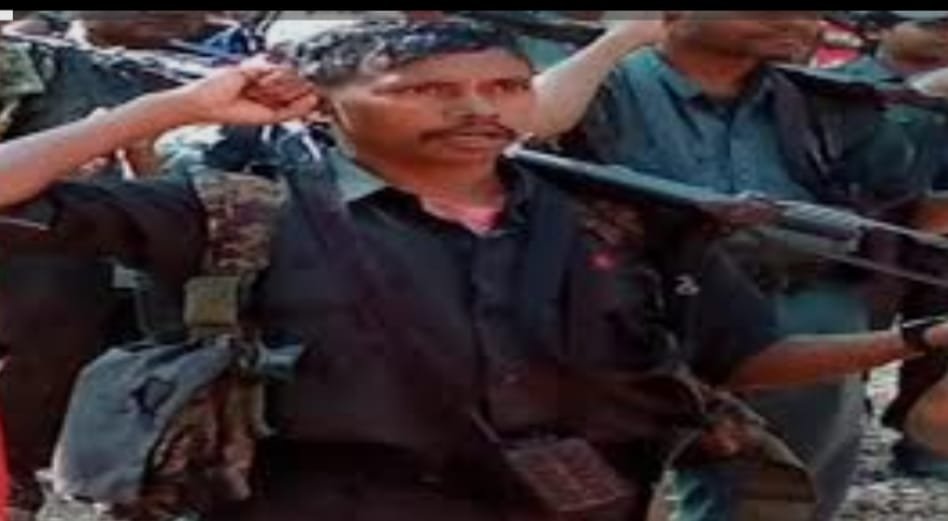
A Maoist leader carrying a bounty of Rs 10 lakh was killed in an encounter with security forces in Jharkhand’s West Singhbhum district early Sunday, police said. The slain leader, identified as Amit Hansda alias Aptan, was long wanted for his role in multiple Maoist operations in the state, police added. His death marks a significant blow to Maoist activities in the region. “Security forces had specific intelligence about the presence of Maoist cadres near Relapara in the Burjua Hills. When our teams moved in early morning hours, they came under heavy fire from the extremists. The forces retaliated, and during the gunfight, Aptan was neutralized,” said West Singhbhum Superintendent of Police Pars Rana. Police said Hansda’s body was later recovered from the site along with several weapons and explosives. His name figured on the list of most wanted Maoist commanders in Jharkhand, and authorities had earlier announced a reward of ₹10 lakh for information leading to his arrest. Security forces believe several other Maoist members managed to escape deeper into the forest during the encounter. A search operation is underway to track them down, police officials said. The encounter is the latest in a string of intensified anti-Maoist operations in Jharkhand. Earlier this month, police launched a separate operation to capture another senior Maoist leader, Shashikant Ganjhu, who had come to his native village Keda to participate in the traditional Karma festival. That attempt led to a fierce gunbattle between security forces and Maoist cadres. Three policemen were injured in the crossfire, and two later succumbed to their injuries. The incident highlighted the continuing threat posed by Maoists in the state’s forested districts. Hansda’s death, however, is being seen by security officials as a significant success in their campaign. “This encounter is a major setback to the Maoist network in West Singhbhum. Operations will continue until the remaining cadres are neutralized,” SP Rana said. Maoist groups, also known as Naxals, have waged a decades-long insurgency across several states in India’s mineral-rich but impoverished heartland. Jharkhand, along with Chhattisgarh and Odisha, has been among the worst-affected regions. Despite repeated crackdowns, Maoists continue to operate in remote forested belts, targeting security forces and infrastructure. Authorities said Sunday’s encounter shows that their presence, though weakened, remains a challenge.


