
Opposition Slams RBI Governor Over ‘Unrealistic’ Inflation Claims
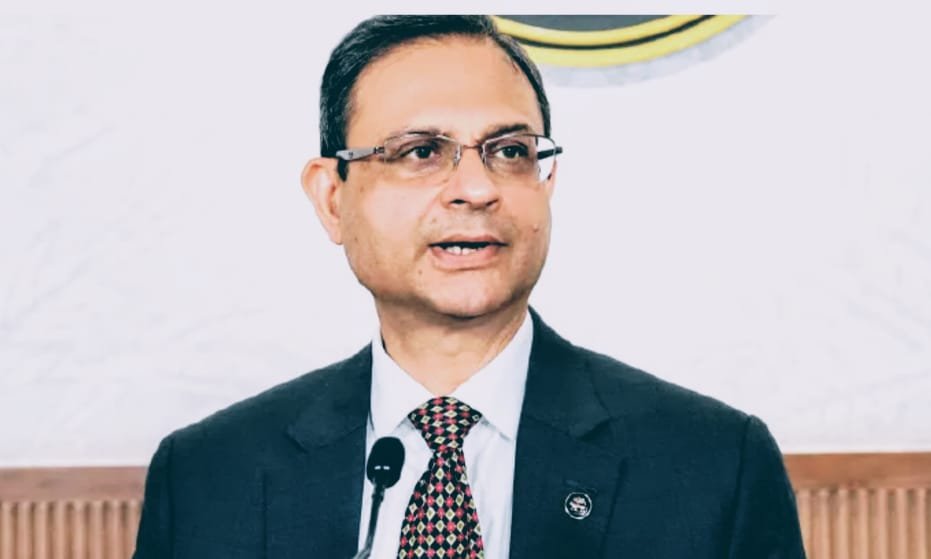
Opposition parties in India, including the Communist Party of India (Marxist) and the Congress, have launched a scathing attack on Reserve Bank of India (RBI) Governor Sanjay Malhotra, accusing him of presenting “unrealistic and politically motivated” statistics on inflation. In a press conference following the central bank’s monetary policy committee (MPC) meeting on Wednesday, Governor Malhotra claimed that inflation in India had dropped to its lowest in six years, even indicating a negative growth of 0.2% in June. “From vegetables to daily food items, prices are now within the affordability of the common man,” Malhotra said, citing RBI data. The governor also noted that food prices had begun to decline since June. However, his remarks sparked immediate backlash from opposition parties and common citizens alike today. “While the common man struggles to manage household expenses, the RBI governor says inflation is nearly non-existent,” said a CPI(M) statement. “This is nothing but data manipulation in service of a political agenda.” Congress state spokesperson Soumya Aich Roy echoed the criticism, saying, “BJP is a party whose words cannot be trusted. After so many years in power, millions of Indians still live below the poverty line.” He also blamed West Bengal Chief Minister Mamata Banerjee, calling her “Modi’s accomplice” in pushing the state toward “extreme uncertainty.” Aam Aadmi Party leader Sanjay Singh also questioned the RBI’s ground reality. “Is there any connection left between the government and the people? In Delhi, from school fees to groceries, everything is unaffordable. The RBI’s claims are divorced from reality.” Data from a recent household expenditure survey appears to support these concerns, indicating that around 39% of an average Indian household’s budget is now spent on food. Despite claims of falling prices, items such as mustard oil, cooking oil, and vegetables have seen sharp increases — with cucumbers and brinjals retailing at Rs 100 per kg, ridge gourds at Rs 80, and green chilies at Rs 120. The RBI attributed the supposed drop in inflation to falling prices of vegetables and pulses, although it provided no region-specific breakdown to support this. Across major metros — Kolkata, Delhi, Mumbai, Bengaluru — local markets reflect a different reality. Critics also questioned the RBI’s decision to keep the repo rate unchanged, despite its own claim of inflation easing. “If inflation is truly under control, why not cut the repo rate by at least 25 to 50 basis points and provide relief to the middle class through lower lending rates?” one CPI(M) member asked. The RBI forecast India’s inflation rate for the current financial year at just 3.1%, but simultaneously revised GDP growth estimates downward from 6.7% to 6.5%, raising further doubts about the credibility of its projections. “The country is being ruled by lies and jumlas,” said Sayan Deep Mitra, a CPI(M) state committee member. “And the chief architect of this politics of deception is none other than Prime Minister Narendra Modi.”
Afghan women deported from Iran: Nearly 700,000 Afghans expelled, UN says
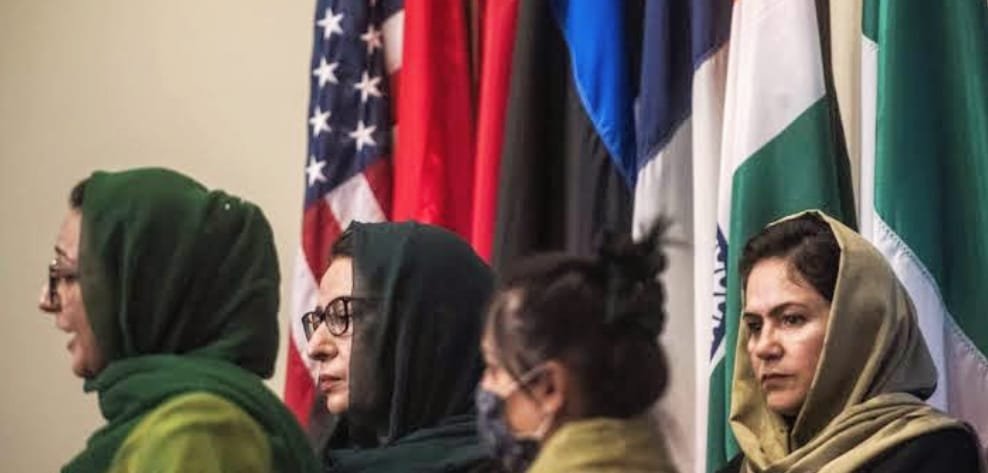
Just weeks away from completing her master’s degree in engineering, 31-year-old Habiba found her future abruptly derailed. Fleeing Taliban restrictions on women’s education, she had sought refuge in Iran and poured years of effort into her studies. But in July, she was deported with little more than her laptop and some documents—sent back to a country where women are banned from attending high school, let alone pursuing higher education. “I was so close,” Habiba said, standing near the Islam Qala border crossing, her voice breaking. “Now I have to start over in a place where my dreams don’t count.” She is one of nearly 700,000 Afghans expelled from Iran since early June, according to the UN refugee agency, as Tehran intensified deportations in the wake of its recent conflict with Israel. Iranian officials cited security concerns and undocumented migration, claiming most Afghans left voluntarily. But rights groups and aid agencies on the ground describe a different reality—families torn apart, people deported without warning, and many arriving home with no possessions or support. “No Future for Us Here” The mass returns have overwhelmed Afghan authorities and aid organizations, many of whom say they were not prepared for the scale or suddenness of the influx. The Taliban-led government has urged Iran to allow deportees time to settle their affairs, but Tehran has moved swiftly, citing an expired registration system for temporary residency cards and security risks amid allegations that some Afghans were spying for Israel—claims Iran has since downplayed. Rahela, 37, had built a stable life in Tehran as a makeup artist and seamstress, supporting her two daughters after separating from her husband. Now back in Herat, she says her independence is gone. Taliban restrictions bar women from working, traveling without a male guardian, or participating in most aspects of public life. “I have no helper and no male guardian,” she said. “My father is old. He can’t help me. We’re trapped.” Women like Rahela and Habiba face not only the trauma of displacement but also the loss of agency and autonomy. “Even when we were mistreated in Iran, at least we could work. At least there was security,” Rahela said. “We Were Beaten, Then Deported” While women speak of shattered dreams and vanishing rights, Afghan men recount family separations, beatings, and economic ruin. Rahim Uzbek, 59, was working as a security guard in Iran when he was detained and deported. His wives and seven children, all Afghan nationals, remain in Iran. He now sleeps in a mosque near the border, with no money, no shelter, and no way to bring his family home. “I had prepaid my rent. The landlord never returned it,” he said, holding back tears. “I have no assets. I don’t even know where to go.” Mansoor Ahmad, a 21-year-old metalworker from Kabul, said he was accused of helping someone escape a deportation facility, then beaten and held in solitary confinement. Red bruises still marked his back and shoulders. “When I spoke, they beat me. When I stayed silent, they beat me again,” he said. Iranian officials deny systemic abuse. Iran’s chargé d’affaires in Kabul, Alireza Bigdeli, said there were no official reports of mistreatment but acknowledged that “some may be unhappy with the way they were treated.” Authorities also insisted that efforts were made to prevent family separations and said students were encouraged to leave voluntarily with their families. Still, many like Habiba and Mansoor say they were given no such choice. A Country Ill-Prepared Afghanistan is grappling with multiple crises—economic collapse, international sanctions, a humanitarian funding shortfall, and a ban on girls’ secondary education. The sudden return of hundreds of thousands of displaced Afghans is compounding the burden. Islam Qala, a parched and dusty border town in western Afghanistan, has become a holding area for the expelled. Aid workers report seeing returnees arrive after days without food or water. Some carried nothing but the clothes on their backs. Despite years of hardship in Iran—where Afghans often faced racism, exploitation, and a lack of legal protections—many say they would return if they could. “Even with the humiliation, there was work,” said Rahela. “There was hope.” Now, hope is hard to find. In Taliban-controlled Afghanistan, deportees are starting from zero, often with little family support and no path forward. “I ran from one prison and walked into another,” Habiba said.
Modi Vows Not to Compromise on Farmers’ Interests Amid Strained India-U.S. Trade Talks
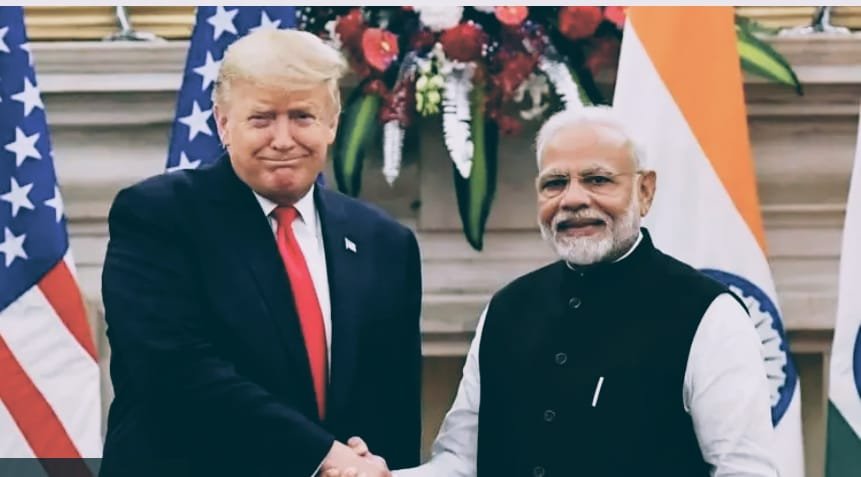
Indian Prime Minister Narendra Modi on Thursday issued a firm message that his government will not compromise on the interests of farmers, even as tensions rise between New Delhi and Washington over an unresolved trade deal. Speaking at an international conference in New Delhi commemorating the centenary of agricultural scientist M.S. Swaminathan—widely credited with spearheading India’s Green Revolution—Modi said, “The interests of our farmers, livestock rearers, and fishermen are of the highest priority. India will never compromise on them.” In a pointed remark widely interpreted as a message to the United States, Modi added, “I know I will have to pay a heavy price personally for this stand. But I am prepared for it. India is ready to protect the interests of its farmers.” His comments come amid mounting friction with the U.S. over trade, particularly involving agriculture and dairy. American officials have reportedly pushed India to open its markets fully to U.S. agricultural products and dairy exports as part of a broader trade agreement. However, Indian negotiators have so far resisted, citing the potential impact on domestic farmers and producers. Tariff Tensions The backdrop to Modi’s speech is an increasingly fraught trade relationship. U.S. President Donald Trump recently announced a second round of tariff hikes, bringing total duties on Indian goods to 50%. The move comes after India continued oil imports from Russia, defying Western pressure to scale back economic ties with Moscow amid the ongoing war in Ukraine. Trump has hinted that further restrictions may be imposed on countries that maintain trade relations with Russia, warning that “many more” punitive measures could be on the way. Although trade negotiations between India and the U.S. are ongoing—with five rounds already completed—officials on both sides acknowledge that a final agreement remains elusive. Talks are expected to resume later this month when a U.S. trade delegation visits New Delhi. India Resists “One-Sided” Deal Sources within India’s commerce ministry say Washington wants unfettered access to Indian markets for U.S. agricultural products, milk, and dairy goods. But New Delhi remains firm that it will not enter into any “one-sided” deal that prioritizes American interests while endangering domestic livelihoods. “There’s no question of rushing into an agreement that only benefits the U.S.,” one government official said, speaking on condition of anonymity. Green Revolution Legacy and Domestic Messaging Analysts see Modi’s remarks as aimed not just at the U.S. but also at a domestic audience increasingly anxious over global pressures on Indian agriculture. The choice to deliver this message at an event honoring M.S. Swaminathan—whose work transformed India from a food-deficient country to a grain-exporting nation—was symbolic. Swaminathan’s legacy is closely tied to Indian self-reliance in agriculture, particularly wheat, which once reduced dependence on U.S. grain imports. Modi’s speech was seen as reinforcing that spirit of independence, even as India navigates the complex landscape of global trade diplomacy. The Prime Minister’s firm stance is likely to resonate with India’s vast rural population and farming community, as his government prepares for general elections in the coming year. For now, the path to a comprehensive India-U.S. trade agreement appears uncertain. And with tariffs mounting and political stakes rising, the gap between economic pragmatism and political priorities may continue to widen.
Modi to visit China amid U.S. tariff threats and post-Ladakh tensions – first visit since 2020 clash

Prime Minister Narendra Modi is set to visit China later this month to attend the Shanghai Cooperation Organization (SCO) summit, his first trip to the country since the deadly border clash in Ladakh in 2020. The high-stakes diplomatic visit comes at a time when U.S. President Donald Trump has issued fresh tariff threats against India, warning of a potential increase beyond the existing 25% imposed on New Delhi. Washington has linked the punitive trade measures to India’s continued energy and trade ties with Russia. China, also a major buyer of Russian energy, has stepped up efforts to deepen its strategic partnership with India amid the shifting global geopolitical landscape. Modi is expected to travel to the Chinese city of Tianjin for the SCO leaders’ summit, scheduled for August 31 and September 1. The multilateral bloc includes India, China, Russia, and Pakistan, among others. While it remains uncertain whether Pakistan’s Prime Minister Shehbaz Sharif will attend, Modi’s message on counter-terrorism is likely to draw attention in light of recent cross-border incidents, including the Pahalgam killings and “Operation Sindoor” in Jammu and Kashmir. Ahead of the summit, India’s Defence Minister Rajnath Singh and External Affairs Minister S. Jaishankar had visited China for respective SCO ministerial meetings. In both forums, Indian officials strongly reiterated New Delhi’s zero-tolerance stance on terrorism, with Singh notably criticizing Pakistan without naming it, in the presence of Pakistani Defence Minister Khawaja Asif. Should Sharif attend the summit, observers will closely watch whether Modi delivers a pointed message in the leaders’ session, reinforcing India’s regional security concerns.
Weapons Cache Discovered in Luxury Apartment Complex in West Bengal, India
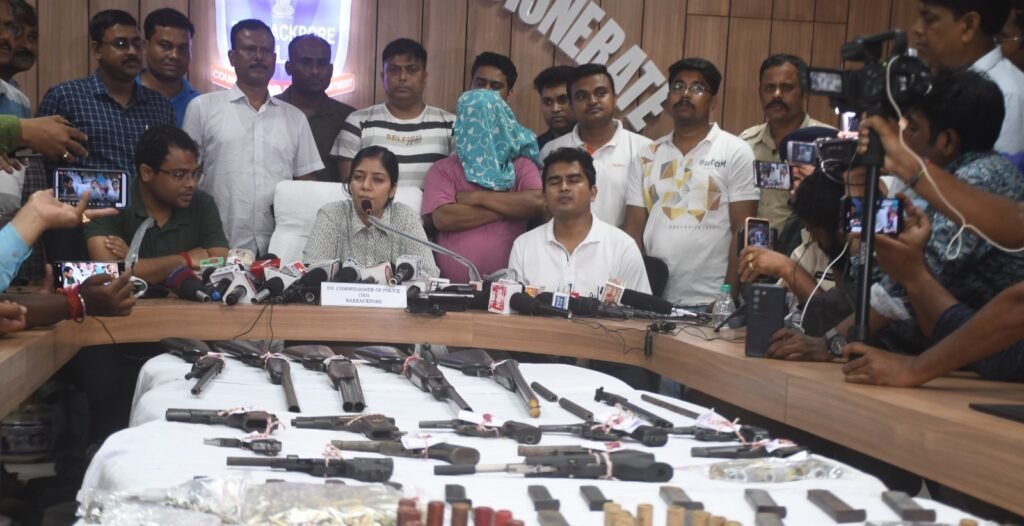
Police in the eastern Indian state of West Bengal uncovered a massive weapons cache inside a high-rise apartment complex on Monday, raising serious concerns about a potential organized criminal or terror network operating in the region. Acting on a tip-off, officers from the Barrackpore Police Commissionerate raided Pratibha Manzil, a posh residential tower located in the Regent Park area of Khardah, North 24 Parganas district. The operation led to the seizure of 15 firearms and approximately 1,000 rounds of live ammunition, authorities confirmed. The sudden presence of a large police contingent caused panic in the neighborhood, typically known for its quiet residential character. Investigators say they are now probing why such a large cache of weapons was being stored in a civilian housing unit. “This is not something you expect to find in a modern apartment complex,” a senior police official said, speaking on condition of anonymity. “We are investigating whether this is part of a larger conspiracy.” In addition to the firearms and ammunition, police also seized several lakh rupees’ worth of materials, including cash and other items believed to be of investigative interest. A man identified as Liton Chakraborty has been taken into custody and is currently being interrogated. Police sources say Chakraborty’s questioning is key to unraveling the motive behind the stockpile, and whether it is linked to criminal syndicates, extremist groups, or other clandestine operations. The discovery has sparked security concerns in the region and is likely to prompt increased surveillance and searches in similar housing units in the coming days.
Trump Vows to Hike Tariffs on India Over Russian Oil Purchases
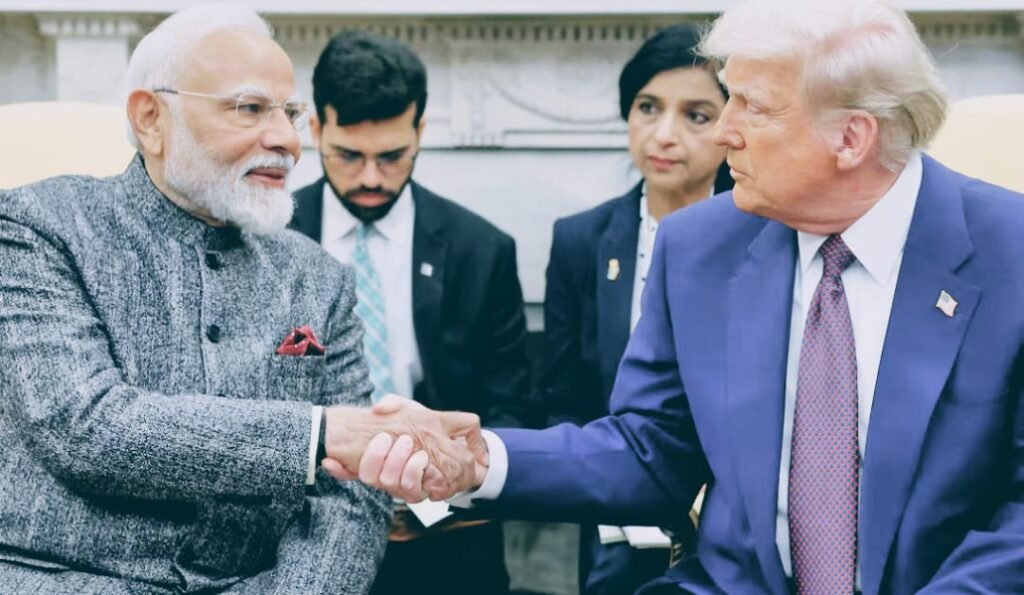
U.S. President Donald Trump has announced plans to sharply increase tariffs on India, accusing New Delhi of profiting from the resale of Russian oil while turning a blind eye to the ongoing war in Ukraine. In a post on his social media platform, Truth Social, on Monday, Mr. Trump said: “India is not only buying massive amounts of Russian oil, they are then, for much of the oil purchased, selling it on the open market for big profits. They don’t care how many people in Ukraine are being killed by the Russian War Machine.” “Because of this, I will be substantially raising the tariff paid by India to the USA,” the president added. The remarks come amid growing scrutiny from the Trump administration over India’s energy ties with Moscow, which have remained robust despite Western sanctions against Russia following its 2022 invasion of Ukraine. On Sunday, Stephen Miller, the White House deputy chief of staff and a close aide to Mr. Trump, echoed the president’s sentiments, suggesting that India’s purchases amounted to indirect support for Russia’s war effort. “What he [President Trump] said very clearly is that it is not acceptable for India to continue financing this war by purchasing oil from Russia,” Mr. Miller told reporters in Washington. India has consistently defended its energy strategy, stating that its imports are guided by national interest and economic needs, and noting that it has remained in dialogue with all key partners, including the United States. The proposed tariff hike marks a sharp escalation in trade tensions between Washington and New Delhi and comes at a time when both nations had been seeking to deepen strategic ties, particularly in the Indo-Pacific region. There has been no immediate response from the Indian government. However, analysts say Mr. Trump’s statement is likely to provoke concern in New Delhi, especially given India’s dependence on exports to the U.S. and the broader implications for the bilateral relationship.
Nitish Kumar Reintroduces Domicile Policy for Teachers’ Recruitment in Bihar Ahead of State Polls

Bihar Chief Minister Nitish Kumar on Monday announced the reintroduction of a domicile policy for the recruitment of teachers in the state’s government schools, a move widely seen as a pre-election sop ahead of the upcoming assembly polls. The policy, which gives priority to residents of Bihar in teacher appointments, will come into effect from the Teachers Recruitment Exam-4 (TRE-4) slated for 2025. It reverses a 2023 decision that had opened up state teaching jobs to candidates from across the country. “The Education Department has been directed to amend the recruitment rules to ensure that only candidates domiciled in Bihar are eligible for government school teaching positions,” Kumar said in a post on social media platform X. The chief minister also announced that the State Teacher Eligibility Test (STET) will be conducted before TRE-5, which is scheduled for 2026, to streamline the recruitment process. The move marks a return to regional job preferences amid growing political momentum in the state. Kumar said the decision was part of a broader effort to strengthen Bihar’s education system, which his government has been working to reform since 2005. “Since the formation of our government, we have continuously prioritised educational improvements. A large number of teachers have already been recruited, and we remain committed to expanding opportunities for Bihar’s youth,” Kumar added. The reintroduction of the domicile clause is expected to generate mixed reactions. While it may find favour among local aspirants, critics say it risks reducing opportunities for qualified candidates from other states and could trigger legal challenges. Analysts view the policy as a strategic move by Kumar’s Janata Dal (United)-led government to consolidate support among the youth and unemployed ahead of the 2025 elections.
BJP’s Sukanta Majumdar Accuses West Bengal Government of ‘Jizya Tax’ on Hindu Pilgrims
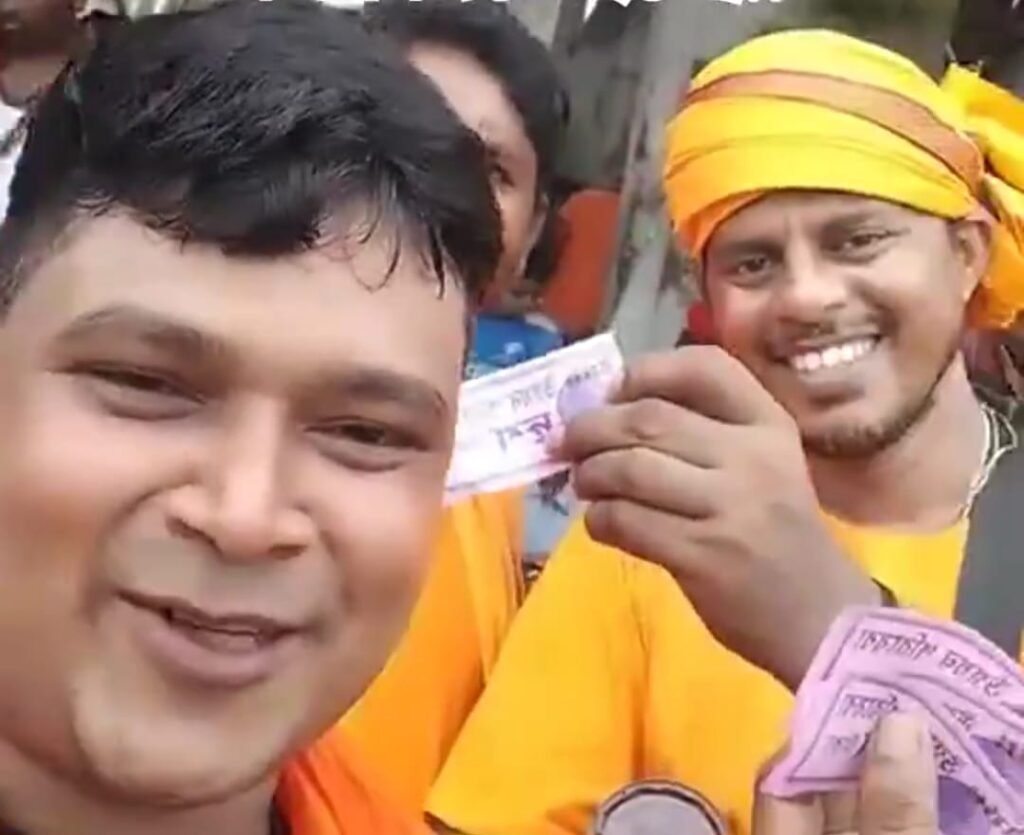
Amid heightened political tension over issues of migrant safety outside Bengal, BJP MP and former state president Sukanta Majumdar has made a sensational allegation against the Trinamool Congress (TMC)-led West Bengal government, accusing it of extorting money from Hindu pilgrims during the month-long Shravani Mela in Tarakeswar. Taking to social media platform X (formerly Twitter), Majumdar claimed that the state authorities are charging a Rs 10 fee per devotee at the Nimai Tirtha ghat in Baidyabati — a popular spot where pilgrims collect Ganga water before embarking on the journey to offer it at the Shiva temple in Tarakeswar. He referred to the levy as a modern-day “jizya tax” — a term historically associated with a tax imposed on non-Muslims during medieval Islamic rule. “Is this merely a revenue-collection tactic or a veiled message to Bengali Hindus that their religious practices will now come at a cost?” Majumdar questioned in his post. He described the move as a “blatant display of the TMC government’s anti-Hindu and fundamentalist mindset”. The Shravani Mela, which began this week, draws lakhs of devotees from across West Bengal and other states. Pilgrims, known as ‘kanwarias’, walk barefoot for several kilometres carrying holy water from the Ganges to pour over the Shiva lingam in Tarakeswar. The fair is one of the largest religious gatherings in south Bengal. In preparation for the influx of devotees, the Hooghly district administration has deployed additional police forces, installed CCTV surveillance, and coordinated with health departments and civic volunteers to ensure drinking water, food, shelter, and emergency medical services are in place. While the state government and local authorities have not yet responded to Majumdar’s allegations, volunteers and organisers say a nominal fee is often collected at certain ghats for maintenance and sanitation during the mela period — a long-standing practice not unique to West Bengal. However, Majumdar insisted that such collections amount to “extortion under the garb of administration” and are being carried out in the name of public facilities, while “innocent Hindu devotees are being forced to pay to perform their rituals”. The remark comes at a time when TMC leaders have been criticising the BJP-led central government over the safety of Bengali migrant workers in other states. The fresh row is expected to further fuel the polarised political atmosphere in Bengal ahead of the 2026 Assembly elections.
India’s PM Modi Meets President Murmu Amid Parliament Logjam and US Trade Tensions
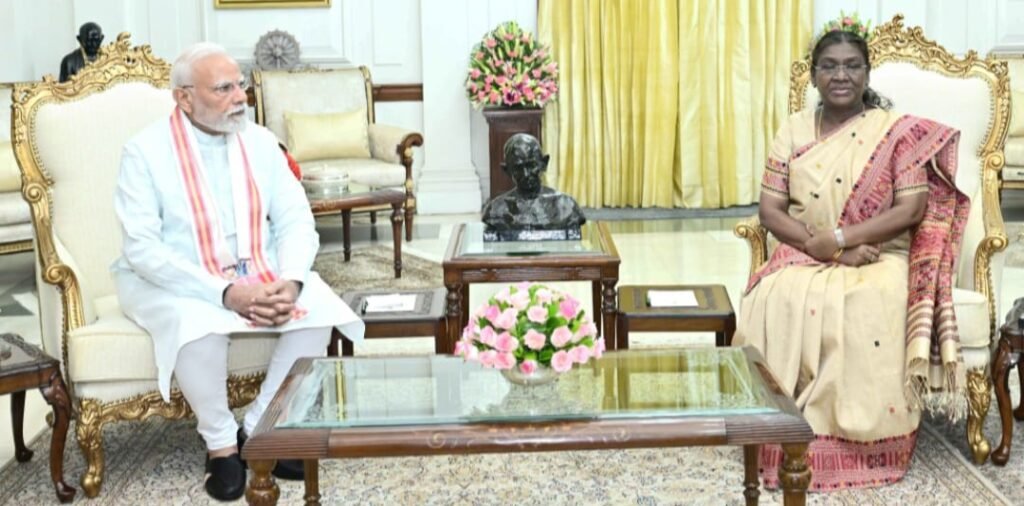
Prime Minister Narendra Modi met President Droupadi Murmu at the Rashtrapati Bhavan on Sunday amid an ongoing deadlock in Parliament and rising diplomatic friction with the United States over trade and defence ties with Russia. The Rashtrapati Bhavan confirmed the meeting in a brief statement posted on social media platform X (formerly Twitter), saying: “Prime Minister Shri @narendramodi called on President Droupadi Murmu at Rashtrapati Bhavan.” However, no further details of the meeting were made public. The meeting came as Parliament remained largely stalled since the start of the Monsoon session on July 21, with opposition parties demanding an in-depth discussion on the Special Intensive Revision (SIR) of electoral rolls in Bihar. The opposition has alleged irregularities in the SIR process, calling it a politically motivated move ahead of the state assembly elections due next year. Except for brief discussions in both Houses on “Operation Sindoor,” a military-led rescue and repatriation mission, legislative business has been minimal as both Houses witnessed frequent disruptions and adjournments. Modi’s visit to the President also follows growing diplomatic tensions between New Delhi and Washington. Just days earlier, former U.S. President Donald Trump announced a 25% tariff on Indian exports and signaled possible further penalties in response to India’s continued purchases of Russian oil and military hardware—moves that have drawn criticism from the U.S. and other Western nations amid the ongoing Ukraine conflict. While the Indian government has not officially responded to Trump’s announcement, New Delhi has consistently defended its strategic autonomy and maintained that its energy and defence imports serve its national interests. Analysts view the Prime Minister’s meeting with the President as a customary but significant consultation during a politically sensitive period marked by legislative paralysis and foreign policy headwinds. With key bills pending and crucial state elections approaching, pressure is mounting on the ruling Bharatiya Janata Party (BJP) to restore order in Parliament and address both domestic and international concerns.
Infant’s Death Triggers Protests over Poor Drainage, Roads in North Dum Dum
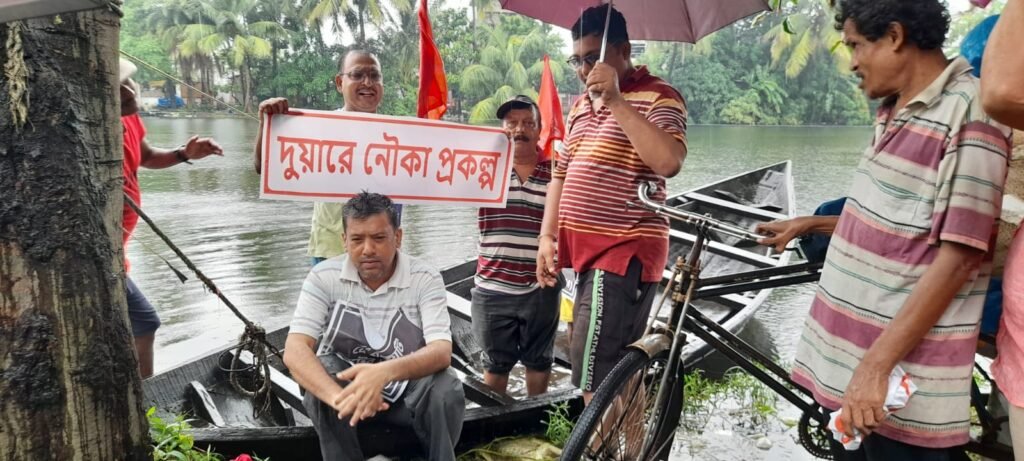
The death of a six-month-old infant who reportedly fell into stagnant water in the Debinagar area of North Dum Dum Municipality’s Ward No. 13 has triggered widespread protests, highlighting serious civic infrastructure issues in the region.The child’s grandmother recounted the horror, saying the baby fell into the water while asleep. “Had we lived in a concrete house, she might have been saved,” she said. Their house, like many in the area, is semi-permanent and vulnerable to water ingress. Inside, the floor remains submerged, littered with dead snails and fish swimming about—symptomatic of the appalling living conditions residents endure every monsoon. Just across the street, several houses built under the West Bengal government’s ‘Banglar Bari’ (Homes for Bengal) housing scheme stand in stark contrast to the victim’s fragile dwelling. Locals are now questioning why the child’s family was overlooked during beneficiary selection. “Even if they didn’t apply, couldn’t a local councillor have included their name seeing their condition?” asked a neighbour. Large parts of North Dum Dum remain waterlogged following heavy rains, with residents blaming poor drainage systems and crumbling road infrastructure for the worsening conditions. Protesters said the MB Road and several adjoining stretches are riddled with potholes, increasing the risk of accidents. On Sunday, members of the Democratic Youth Federation of India (DYFI), Students’ Federation of India (SFI), All India Democratic Women’s Association (AIDWA), and the Communist Party of India (Marxist) [CPI(M)] staged a road blockade at the mouth of the MB Road-Birati Bridge, demanding immediate improvement of drainage and road conditions. The protest, which continued for over half an hour in heavy rain, led to a standoff with officers from Nimta Police Station, who arrived at the scene to disperse the crowd. Heated arguments reportedly broke out between the police and the demonstrators. Among the key leaders present were Rounak Das, Secretary of DYFI’s Birati-Bisharpara regional committee; Susmita Dasgupta and Aitreyee Guha, senior members of AIDWA; Atashi Chakraborty, an AIDWA national leader and CPI(M) state committee member; Pintu Chakraborty, CPI(M) North 24 Parganas district committee member; and Shibshankar Ghosh, secretary of the party’s area committee. Local CPI(M) cadres, along with youth, students, and women’s wings of the party, actively participated in the protest, demanding urgent government action to prevent further tragedies.


