
Bengal Opposition Leader Calls Parallel Rally on 21 July TMC Martyrs’ Day, Mamata Dismisses It as “Unimportant”
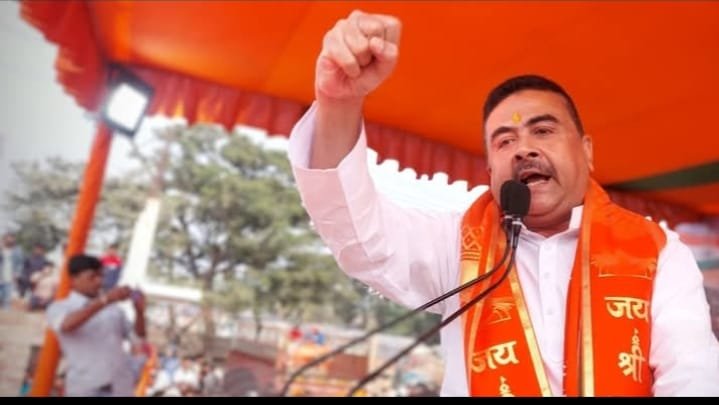
KOLKATA, India, July 15: Political tensions are escalating in West Bengal as opposition leader Suvendu Adhikari of the Bharatiya Janata Party (BJP) announced a counter-rally on July 21, the day the ruling Trinamool Congress (TMC) holds its annual Martyrs’ Day gathering in central Kolkata. Adhikari has also launched a state-wide campaign titled Kanya Suraksha (Girl Child Protection) in response to a recent gang rape allegation involving a law college student in Kolkata’s Kasba area, intensifying political debate over women’s safety in the state. The BJP has announced marches across various districts and a protest march to Uttarkanya, the state government’s administrative outpost in North Bengal, on the same day as the TMC rally. However, Chief Minister Mamata Banerjee has dismissed the BJP’s counter-programme, calling it insignificant. “It’s not an important issue. There’s no need to pay attention to them,” she told reporters after a cabinet meeting on Monday. Martyrs’ Day, observed annually on July 21, commemorates the killing of 13 TMC supporters during a protest in 1993. The event remains one of the party’s most significant political shows of strength. Banerjee, addressing preparations for the event, instructed ministers and officials to ensure the safe and smooth transport of party workers from across the state to Kolkata. “Our only focus is to honour the martyrs and ensure a peaceful and successful event,” Banerjee said. She directed police and administrative officials to ensure security, accommodation, and transportation logistics are carefully managed for party workers traveling to the capital. During the cabinet meeting, Banerjee also expressed concern over reports of Bengalis facing harassment in other Indian states for speaking their mother tongue. “It’s unacceptable that someone is attacked just for speaking Bengali,” she said. The Chief Minister asked her ministers to organise protests at the local level and raise awareness on linguistic and cultural respect. “Nearly 15 million people from other states live peacefully in West Bengal, and we have always welcomed them with dignity,” Banerjee said. “But over 2.2 million Bengalis working in other parts of India are facing discrimination. This cannot continue.” Officials believe the government may be preparing a larger campaign to protest these incidents, not just through administrative channels but also via cultural and social platforms aimed at protecting Bengali language and identity.
Odisha Student Dies After Setting Herself on Fire Over Harassment Complaint; CM Announces Compensation
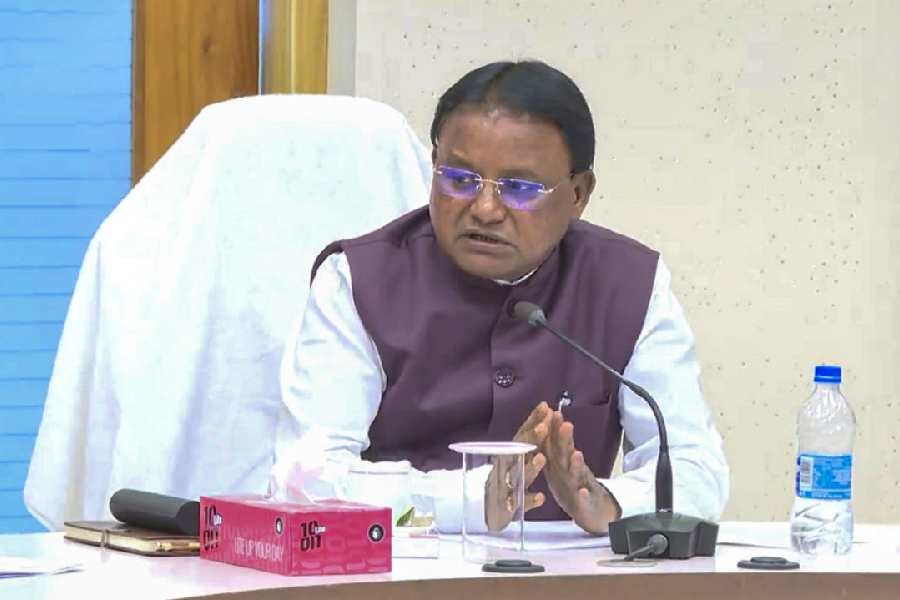
BHUBANESWAR, July 16: Odisha Chief Minister Mohan Charan Majhi on Tuesday announced a compensation of ₹2 million ($24,000) for the family of a college student who died after setting herself on fire in protest against alleged inaction on her sexual harassment complaint. The 22-year-old second-year B.Ed student from Fakir Mohan Autonomous College in Balasore died at AIIMS-Bhubaneswar on Monday night after battling for her life for three days. She had suffered 95% burns following the self-immolation on campus last Saturday. The student had reportedly accused a professor of sexual harassment and resorted to the extreme step after authorities allegedly failed to take action on her complaint. “The Chief Minister has directed officials to ensure a thorough investigation and strict punishment for all those found guilty,” the Chief Minister’s Office (CMO) said in a statement. Odisha Governor Hari Babu Kambhampati also expressed deep sorrow over the incident. “Shattered to learn of the untimely loss of a young student from Fakir Mohan Autonomous College,” he posted on social media platform X. “Her passing is not just a tragedy—it is a stark reminder of the urgent need to safeguard our campuses. The law will take its toughest course.” Police have arrested the principal and the head of the Education Department of the college in connection with the case. The incident has triggered outrage across the state, with students and activists demanding accountability and stronger mechanisms to address harassment complaints in educational institutions.
Trump Says He’s “Disappointed But Not Done” with Putin, Reaffirms Support for NATO

WASHINGTON, July 15: U.S. President Donald Trump said he remains “disappointed but not done” with Russian President Vladimir Putin, in a wide-ranging phone interview with an international news service marking one year since the attempt on Trump’s life at a campaign rally in Butler, Pennsylvania. Speaking from the Oval Office on Monday, Trump addressed rising tensions with Russia, reiterating his demand for a ceasefire in Ukraine within 50 days and announcing plans to send additional U.S. weapons to Kyiv. The president also warned of “severe tariffs” on Moscow if no peace agreement is reached. Asked whether he trusted the Russian leader, Trump responded bluntly: “I trust almost no one.” Trump said he had believed on four separate occasions that a peace deal with Russia was within reach, only for the efforts to collapse. “I’ll say: ‘That’s good, I think we’re close to getting it done,’ and then he’ll knock down a building in Kyiv,” he said, referring to Putin. “I’m disappointed in him, but I’m not done with him.” The 20-minute call came after discussions about a formal interview to commemorate the anniversary of Trump surviving an assassination attempt during a campaign event. Asked whether the incident had changed him, Trump said he prefers not to dwell on it. “I don’t like to think about if it did change me… Dwelling on it could be life-changing.” In contrast to his previous criticism of NATO as “obsolete,” Trump expressed full support for the alliance after meeting with NATO Secretary-General Mark Rutte earlier in the day. “I think NATO is now becoming the opposite of that,” he said, noting that member nations are “paying their own bills.” Trump also reaffirmed his belief in NATO’s principle of collective defense, saying it ensures that smaller countries can defend themselves from larger adversaries. On the United Kingdom, Trump called it a “great place” and confirmed he would make an unprecedented second state visit in September. “Have a good time and respect King Charles, because he’s a great gentleman,” Trump said of his goals for the trip. The interview highlighted Trump’s evolving stance on global alliances and foreign adversaries as he looks ahead to the 2026 general election cycle.
Indian Election Commission Flags Foreign Nationals on Bihar Voter List, Sparks Political Uproar
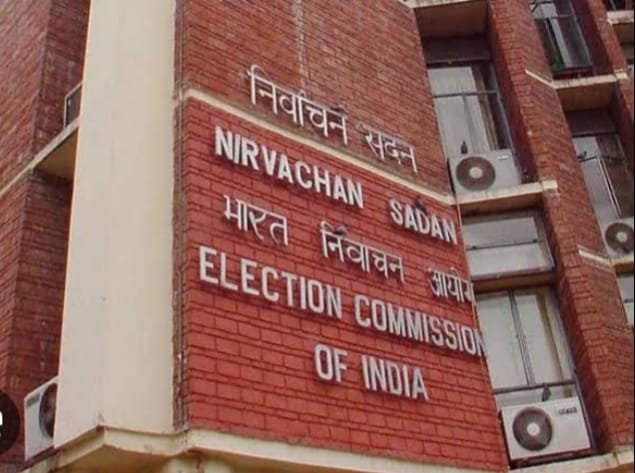
PATNA, July 15: – India’s Election Commission has reportedly identified several names on Bihar’s electoral rolls that belong to nationals of Bangladesh, Nepal, and Myanmar, raising concerns ahead of the state’s legislative assembly elections due later this year. The revelation comes during the Commission’s ongoing “special intensive revision” of voter rolls, which includes door-to-door verification by Booth Level Officers (BLOs). According to commission sources quoted by Indian news agencies, these officers have found foreign nationals in possession of Aadhaar cards, domicile certificates, and ration cards—documents typically required for inclusion on India’s voter rolls. The discovery has triggered a political storm. Tejashwi Yadav, leader of the opposition Rashtriya Janata Dal (RJD), dismissed the Commission’s claim as baseless. “They say this is based on a ‘source’. This is not a source—this is nonsense,” Yadav said at a press conference in Patna. He further alleged that the revision process itself is flawed and chaotic. “Forms are scattered everywhere. In some places, they’re even being used to sell sweets,” he quipped. Yadav warned that even if 1% of genuine names are wrongly excluded, nearly 800,000 voters could lose their right to vote. The Commission, however, claims that over 80% of forms have already been submitted. Senior advocate and former Union Law Minister Kapil Sibal has also raised constitutional concerns about the process. In a media interview, Sibal called the entire exercise “unconstitutional,” asserting that the Election Commission has no authority to determine an individual’s citizenship status. “This revision exercise is a deliberate move to build a majoritarian government in future elections by targeting the poor, marginalized, and tribal communities,” said Sibal, who is representing one of the petitions in the Supreme Court challenging the voter list revision. The controversy underscores the political sensitivity surrounding voter eligibility in India, particularly in states with high migration and complex demographic profiles. The Supreme Court is currently hearing petitions challenging the legality and fairness of the Commission’s actions.
Lightning Strikes Digha Temple Flag; Opposition Leader Blames ‘Irregular Rituals, Political Interference’
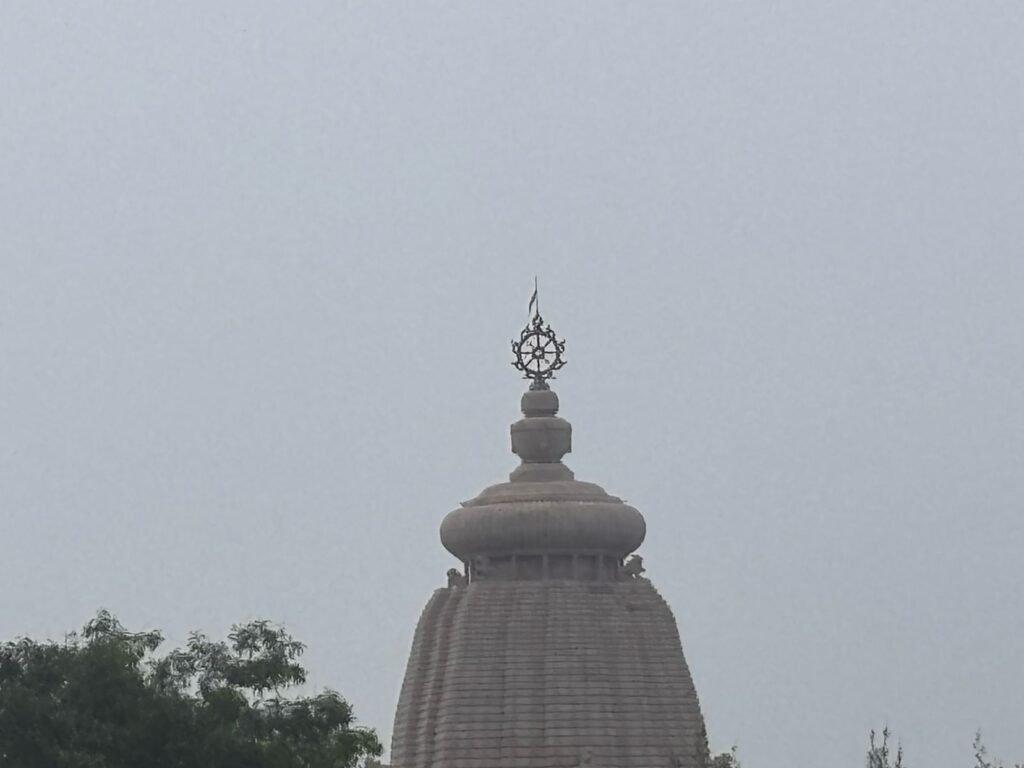
DIGHA, 14 July – A lightning strike during heavy rains on Sunday morning set ablaze the ceremonial flag atop the Jagannath Cultural Centre temple in the coastal town of Digha, West Bengal, triggering a political and religious row. Eastern Midnapore district, including Digha, has been experiencing intense rain and thunderstorms since early morning. The lightning struck amid the downpour, damaging the sacred flagpole of the seaside temple. West Bengal’s Leader of the Opposition, Suvendu Adhikari, reacted sharply to the incident, alleging religious impropriety and political misuse of faith. In a post on social media, Adhikari claimed that “divine displeasure” may have caused the lightning strike, citing what he described as repeated violations of religious norms at the temple. He accused the state government of politicizing religion, allowing non-Hindus unrestricted access to the temple premises, conducting rituals improperly, and desecrating religious items such as walking over the Rath Yatra ropes with shoes. “For political appeasement, they are using Mahaprabhu Jagannath, and that is unacceptable. But as the saying goes, ‘Chakshu Aankhi Sab Dekhuchi’ (The Lord sees everything),” Adhikari wrote. His remarks sparked fresh debate, especially after Rajesh Dwaitapati, a servitor from the Jagannath Temple in Puri, echoed some of the concerns. “Ritual disruptions could indeed lead to such incidents,” Dwaitapati said. “If the temple protocols were not followed properly, that may have contributed. We are looking into all aspects.” While there has been no official response yet from the West Bengal government, the incident has reignited the ongoing discourse around the intersection of faith and politics in the state, particularly in religious festivals and temple administration. The damaged flagpole is expected to be restored soon, temple authorities said, adding that no injuries were reported in the incident. An inquiry into the lightning strike and associated claims is likely, amid calls from religious groups for stricter adherence to temple customs.
No Technical Fault in Crashed Air India Jet, Preliminary Probe Finds; Pilot Body Raises Concerns

NEW DELHI, July 15: Air India CEO Campbell Wilson on Monday said that the preliminary report by the Aircraft Accident Investigation Bureau (AAIB) into the July 12 crash of a Boeing 787 jet found no evidence of mechanical or maintenance failure, raising questions over possible human error. Speaking on the findings of the AAIB’s initial report, Wilson stated, “There is no indication of any aircraft or engine malfunction in the crash involving the Air India flight. The report confirms that the aircraft was airworthy and well-maintained.” The aircraft was operating a scheduled international flight from Ahmedabad to London Gatwick when it crashed just seconds after take-off, plummeting into a densely populated area. The accident claimed 260 lives, including both passengers and people on the ground, making it one of India’s deadliest aviation disasters in recent years. The AAIB released its preliminary findings on Saturday, ruling out mechanical failure as a cause. The focus has now shifted to human factors, including pilot error, which has triggered sharp reactions from pilot associations. The pilots’ union expressed concern over what it described as a “narrative push” implicating the crew without conclusive evidence. “It appears the investigation is prematurely pointing toward pilot error,” the association said in a statement, demanding that their representatives be allowed to participate in the inquiry process as observers. The union also questioned the transparency and objectivity of the probe, calling for a broader, multi-stakeholder review to ensure fairness. “This is a complex incident that requires comprehensive analysis, not speculation,” the statement added. The AAIB has not yet made any official comment on the pilot union’s concerns but has indicated that a full report will be published after a complete forensic and operational analysis. Meanwhile, Air India continues to cooperate with investigators and has assured full support to the families of the victims. “We remain committed to uncovering the full truth behind this tragedy,” Wilson said. Breaking news
India’s BJP Leader Suvendu Adhikari Sparks Row with Call for Hindus to “Prepare Weapons”
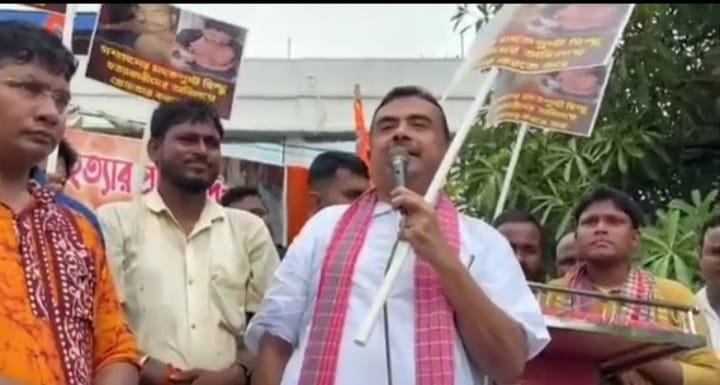
KOLKATA, July 14: Suvendu Adhikari, Leader of the Opposition in West Bengal, triggered a political firestorm on Monday after urging Hindus to “prepare weapons” during a protest rally in Khejuri, in the state’s East Midnapore district. The comments have drawn sharp criticism and are expected to intensify political tensions in the state ahead of the 2026 assembly elections. Leading a BJP-organized protest march from Janaka to Vidyapith, Adhikari accused the state police of protecting members of the ruling Trinamool Congress (TMC), particularly from a “special community,” while allegedly framing Hindus in false cases. Referring to recent deaths of two BJP workers in Khejuri—Sujit Das and Sudhirchandra Paik—Adhikari alleged they were “killed in a planned manner” and promised legal support to their families. Addressing the crowd, Adhikari said: “Hindus must prepare bamboo sticks soaked in oil… More such sticks must be made. Unite the Hindus.” He accused West Bengal Chief Minister Mamata Banerjee and her party’s “nephew gang” of orchestrating a narrative to shield “their peace-loving boys” while allegedly suppressing Hindus. The remarks came during a bandh (shutdown) called by the BJP in protest over the deaths. Adhikari also handed over financial aid to the bereaved families and assured them of full legal assistance. Ratcheting up political rhetoric, the BJP leader challenged the TMC’s dominance in East Midnapore, stating, “The more you jail the people of Nandigram and Khejuri, the more united they will become. In 2021, East Midnapore gave 44% votes to Narendra Modi. In 2026, we will give him all 16 assembly seats.” In a controversial statement, Adhikari further suggested that “Hindus could be killed by TMC’s minority supporters in the days to come,” hinting at potential communal polarization. The remarks have sparked backlash from political opponents and civil society groups, who accused Adhikari of promoting communal unrest. The TMC has yet to issue an official response, but sources within the party condemned the speech as “provocative and dangerous.” West Bengal has witnessed frequent political clashes between BJP and TMC supporters, particularly in rural areas like East Midnapore, where both parties are competing for influence ahead of crucial electoral contests.
India’s Foreign Minister Calls for Candid Talks with China Amid Lingering Tensions
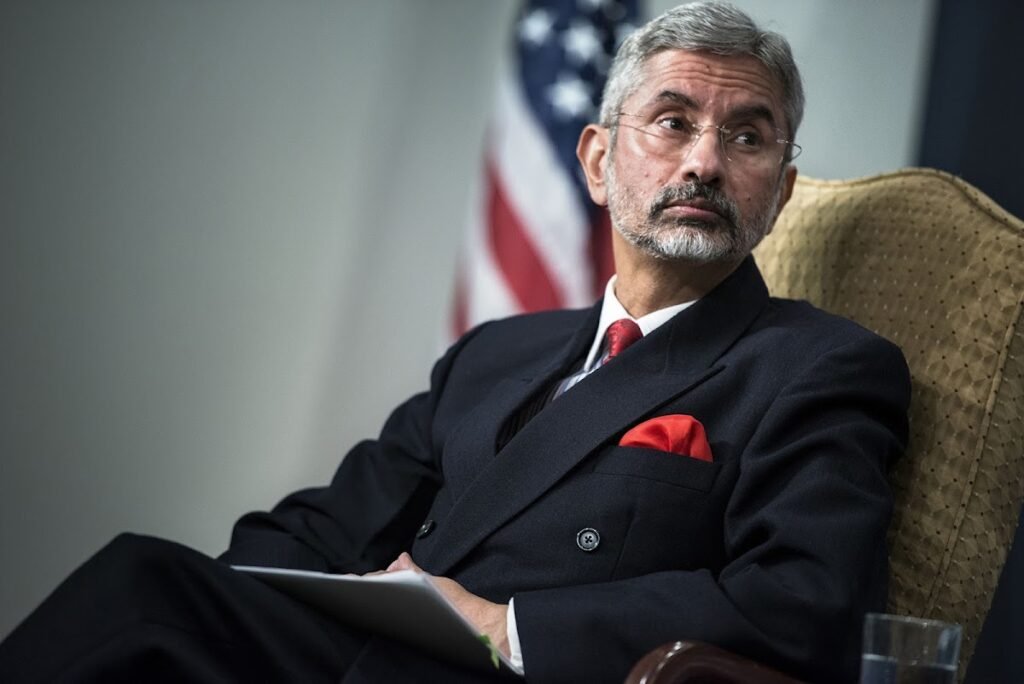
BEIJING– Indian Foreign Minister S. Jaishankar, currently on a visit to Beijing for the Shanghai Cooperation Organisation (SCO) summit, on Monday emphasized the need for “open and candid dialogue” between India and China, as the two Asian giants navigate a complex bilateral relationship strained by military and geopolitical tensions. In his first visit to China since the deadly 2020 border clash in Galwan Valley, Jaishankar met with Chinese Vice President Han Zheng and stressed the importance of cooperation between the two countries amid global uncertainty. “In a turbulent world, it is vital for India and China to engage in frank conversations and support each other,” Jaishankar said, adding that he was “keenly looking forward” to meaningful exchanges during his stay. While border tensions have somewhat stabilized since the Galwan standoff, diplomatic friction persists. India has expressed concerns over China’s support to Pakistan during India’s ‘Operation Sindoor’, as well as ongoing disputes related to the Dalai Lama. Jaishankar’s visit follows recent high-level engagements, including trips by National Security Advisor Ajit Doval and Defence Minister Rajnath Singh, signaling renewed efforts by New Delhi and Beijing to thaw icy ties. Highlighting a possible thaw, Jaishankar announced the resumption of the Kailash Mansarovar Yatra—a sacred pilgrimage route through Tibet—after a five-year suspension. “This step has been widely appreciated in India,” he said. He also recalled last year’s informal meeting between Indian Prime Minister Narendra Modi and Chinese President Xi Jinping in Kazan, which he said had contributed to a positive shift in bilateral ties. “I am confident this visit will further build on those discussions,” Jaishankar noted. During his Beijing visit, the minister is expected to meet his Chinese counterpart and hold bilateral talks with other foreign ministers attending the SCO summit. The visit is being closely watched in diplomatic circles, as both countries continue to jostle for influence in the region while attempting to manage their contentious relationship.
Odisha Moves to Copyright Rituals of Jagannath Temple Amid Dispute With West Bengal
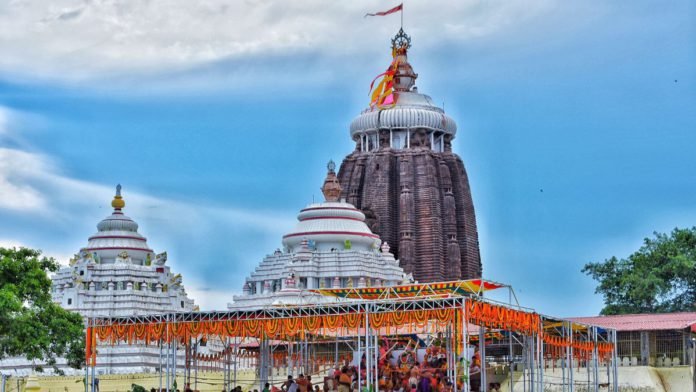
BHUBANESWAR/KOLKATA, July 13: The Odisha government has initiated steps to obtain copyright protection for the centuries-old rituals and traditions of the Jagannath Temple in Puri, a move prompted by growing concerns over perceived misuse and replication of the temple’s customs outside the state. Gajapati Maharaja Dibyasingha Deb, the titular king of Puri and chairman of the temple’s managing committee, confirmed in an interview with local media that the process is underway. “The state government has already begun taking legal advice on how to proceed with copyrighting Jagannath rituals. This should be viewed from a legal perspective,” he said. The development comes amid tensions between Odisha and West Bengal over the construction of a Jagannath temple in Digha, a seaside town in Bengal, which has been referred to as “Jagannath Dham” by Chief Minister Mamata Banerjee’s government. The use of the term “Dham,” which signifies a divine abode, has drawn objections from both the Odisha government and religious authorities in Puri, who argue it violates centuries-old spiritual and cultural sanctity. Odisha Chief Minister Mohan Charan Majhi had earlier written to Banerjee expressing concerns about the naming and presentation of rituals in the Digha temple. The temple’s daily worship is currently overseen by ISKCON (International Society for Krishna Consciousness), whose involvement has further intensified the controversy. Critics, including the Shankaracharya of the Govardhan Peeth in Puri, Swami Nischalananda Saraswati, allege that ISKCON has deviated from traditional observances by conducting festivals like the Rath Yatra and Snan Yatra on dates that do not align with those observed in Puri. “Such actions are hurting the sentiments of Jagannath devotees across the world,” said Dibyasingha Deb. “We are also in discussions with ISKCON’s headquarters in Mayapur,” he added, referring to the organisation’s global base in West Bengal’s Nadia district. “The goal is to ensure that sacred traditions are not distorted or misrepresented.” In recent years, Odisha has sought to protect the unique identity of Jagannath worship practices, which are deeply rooted in regional customs and history. The move to copyright these rituals is seen as part of a broader attempt to prevent what authorities describe as the “misuse” or “commercial replication” of the temple’s heritage. Deb said the dispute between Odisha and West Bengal should ideally be resolved through mutual dialogue. “We are hopeful that the two state governments will engage in discussions to settle the issue. But if that does not happen, we will be compelled to consider other measures to protect our traditions.” The controversy reflects growing concerns over cultural appropriation and the need to preserve religious heritage in an era of increasing replication and globalisation of spiritual practices.
Bangladesh Election Chief Says Poll Date Yet to Be Finalised Amid Political Uncertainty
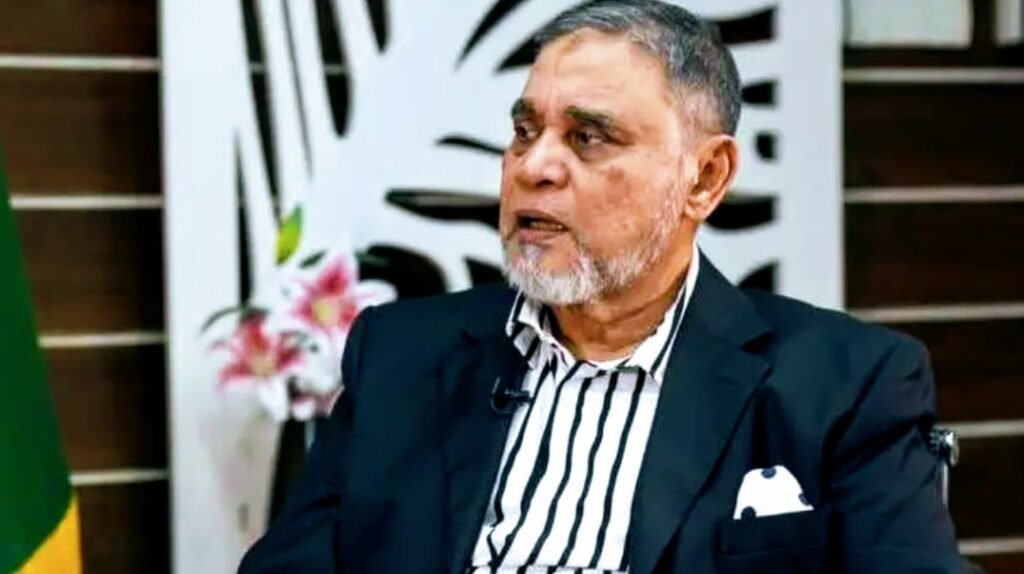
DHAKA: Bangladesh’s Chief Election Commissioner (CEC) A.M.M. Nasir Uddin said the date for the country’s upcoming general election has not yet been finalised, amid political uncertainty and growing concerns over law and order in the run-up to the vote. Speaking in Dhaka this week, Nasir Uddin said the Election Commission has not received any formal communication from the interim government regarding the polling date, though indications suggest the election may be held either before the holy month of Ramadan in early February or during the first half of April. “It’s very difficult for me to respond because I myself don’t know the exact date,” he said, adding that the Commission is operating under assumptions based on public statements made by senior officials of the caretaker government. Preparations for the election had initially been based on a December-to-June timeline, with the Commission targeting December as a potential window, Uddin said. “From day one, we started preparing ourselves with December in mind,” he added. The uncertainty over the election date has heightened tensions in the country’s political landscape, especially following the ousting of the Awami League government earlier this year. Questions remain over whether the party will be allowed to participate in the election, and recent decisions by the Commission—such as the denial of the ‘Shapla’ (water lily) symbol to the newly formed National Consensus Party (NCP)—have also drawn scrutiny. Despite the lack of clarity, the Election Commission has continued its preparatory work, while security forces have reportedly been instructed to remain on alert ahead of the polls. The upcoming vote is expected to be a critical juncture for Bangladesh, which is navigating a period of political transition and public anxiety following months of unrest and economic pressure.


