
US Tech Giants Urge H-1B Workers to Stay Amid Trump Visa Fee Hike
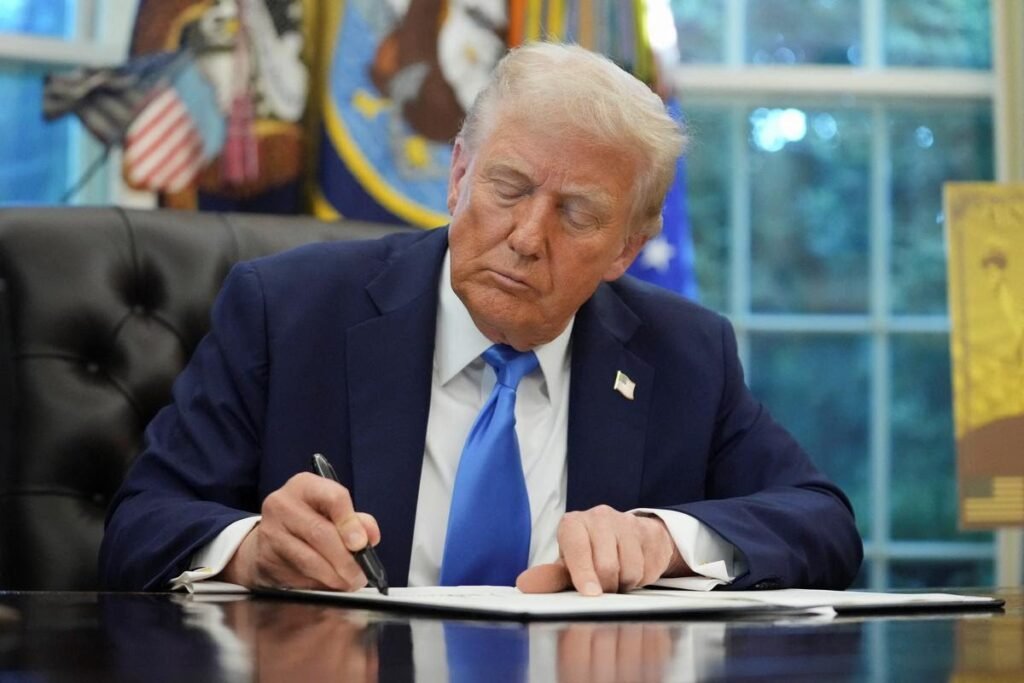
U.S. multinational companies including Meta, Amazon, Microsoft and JPMorgan Chase have urged their employees holding H-1B visas to remain in the United States, as uncertainty grows following President Donald Trump’s new directive raising the cost of such visas. Emails sent to employees this week, reviewed by Reuters, instructed H-1B and H-4 visa holders to return to the U.S. by Sunday or avoid international travel until further notice. Microsoft, in a message to its staff, said, “We are asking those on H-1B and H-4 visas to return to the United States within the specified time frame.” JPMorgan has gone further, advising workers not to leave the country at all until the company receives additional guidance. The companies have not explained the move, but industry observers believe it is tied to Trump’s latest executive order. Signed Friday, the directive imposes a $100,000 annual fee — roughly 8.8 million rupees — for companies employing workers on H-1B visas. The H-1B program, a nonimmigrant visa system, allows U.S. firms to hire skilled foreign workers, many of them from India and China. While the new policy does not ban the visa outright, labor experts say the steep fee is intended to discourage companies from sponsoring foreign talent. The technology sector, heavily reliant on international hires, could face a major disruption. According to government data, Amazon employs more H-1B workers than any other U.S. company, with more than 10,000 staff on the visa. Tata Consultancy Services follows with 5,505, while Microsoft employs 5,189, Meta 5,123, Apple 4,202 and Google 4,181. Industry leaders have yet to comment publicly on the White House’s announcement, but labor analysts warn that higher costs could slow recruitment of overseas professionals and intensify an already competitive U.S. job market for tech skills. Commerce Secretary Howard Lutnick defended the measure, saying the administration consulted “all major U.S. multinationals” before finalizing the decision. “This is about ensuring American workers are prioritized while companies contribute fairly to the system,” Lutnick said. The H-1B visa has long been a political flashpoint in Washington. Supporters argue the program supplies essential talent to keep U.S. companies globally competitive, while critics contend it undercuts American workers by lowering wages. For now, thousands of foreign professionals and their families are scrambling to comply with employers’ instructions, hoping to secure their legal status before the new rules take effect.
Trump Pushes for Return of U.S. Control Over Key Afghan Air Base; Taliban Rejects Demand

Four years after the U.S. military’s withdrawal from Afghanistan, former President Donald Trump has called for Washington to regain control of the Bagram air base, a demand swiftly rejected by the Taliban. The Trump camp said Thursday that the former president has long sought the return of the sprawling facility, once America’s largest military installation in the region. Trump argued that Bagram is strategically vital to counter China’s growing influence and to monitor rivals across South and Central Asia. “We simply handed over the base to the Taliban for free,” Trump said, describing the site as “the biggest air base in the world” with a 3,600-meter runway capable of handling everything from cargo planes to bombers. He added that its location, less than an hour from China’s missile production sites, makes it critical for U.S. defense interests. The former president also noted that Bagram would provide the U.S. with an advantage in keeping watch over Russia. The Taliban, however, dismissed the idea. Afghanistan’s Foreign Ministry spokesman, Zakir Jalal, wrote on social media that Washington should seek “friendly relations” with Kabul but ruled out any American troop presence. “There is no place for U.S. forces in Afghanistan,” Jalal said. “We want diplomatic and economic ties with the United States, but only on the basis of mutual respect.” Located north of Kabul, Bagram has a long and controversial history. Soviet forces first used it as a launchpad during their 1979 invasion, and later it became the hub of America’s two-decade-long war in Afghanistan. The site also housed a notorious prison where thousands were detained without charges. When the U.S. withdrew in 2021 under the Biden administration, the base was handed over to the Taliban. Trump had strongly opposed the pullout at the time and has since accused Beijing of exerting control over the site.
Trump Calls Modi on 75th Birthday, Thanks Him for Support on Ukraine Peace Efforts
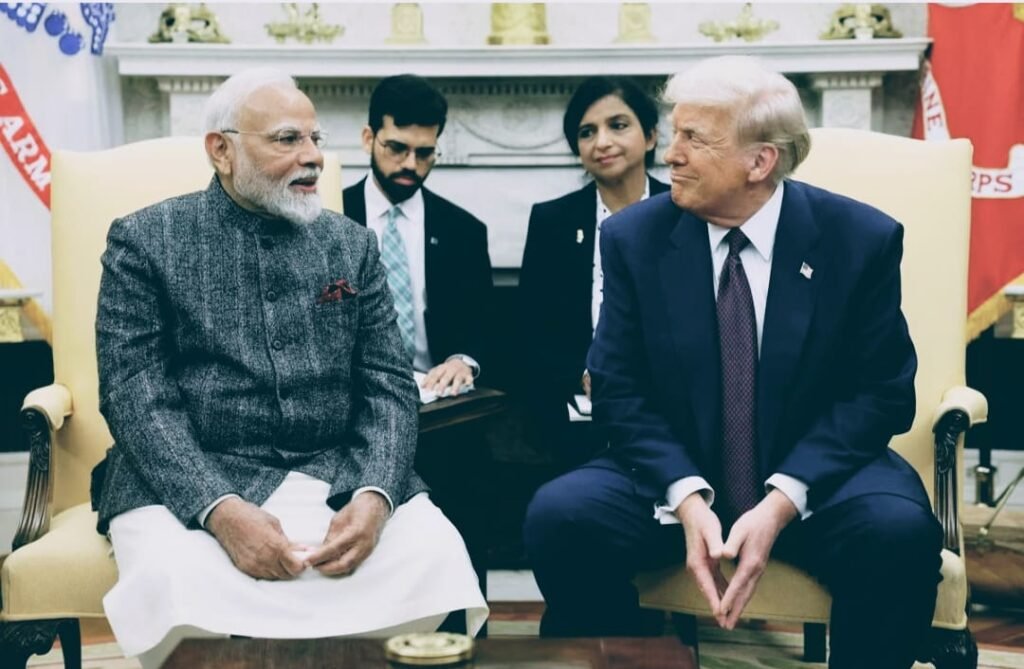
U.S. President Donald Trump on Tuesday called Indian Prime Minister Narendra Modi to extend birthday greetings on his 75th birthday, in a move viewed as part of Washington’s efforts to reset ties with New Delhi. In a post on social media, Modi expressed gratitude for Trump’s call and emphasized their shared commitment to strengthening bilateral relations. “Thank you, my friend, President Trump, for your phone call and warm greetings on my 75th birthday,” Modi wrote. “Like you, I am also fully committed to taking the India-U.S. Comprehensive and Global Partnership to new heights.” Trump, who returned to the White House earlier this year, also highlighted Modi’s role in global diplomacy. Writing on his Truth Social platform, Trump said, “Just had a wonderful phone call with my friend, Prime Minister Narendra Modi. I wished him a very Happy Birthday! He is doing a tremendous job. Narendra: Thank you for your support on ending the War between Russia and Ukraine!” The U.S. president signed off the message with “President DJT,” underscoring the personal tone of the outreach. “We support your initiatives towards a peaceful resolution of the Ukraine conflict,” he added. Trump’s phone call, which came a day before Modi officially turned 75, was widely seen as a gesture aimed at reaffirming Washington’s strategic partnership with New Delhi amid shifting global alignments. India has maintained relations with both Moscow and Washington during the Russia-Ukraine war, often positioning itself as a potential mediator. The conversation between the two leaders is expected to reinforce cooperation in areas ranging from defense and trade to regional security in the Indo-Pacific. While officials did not disclose details of the discussion, Trump’s direct acknowledgment of India’s diplomatic efforts on Ukraine signaled Washington’s interest in engaging New Delhi on broader global issues.
Idols vandalized at Kushtia temple in Bangladesh ahead of Durga Puja
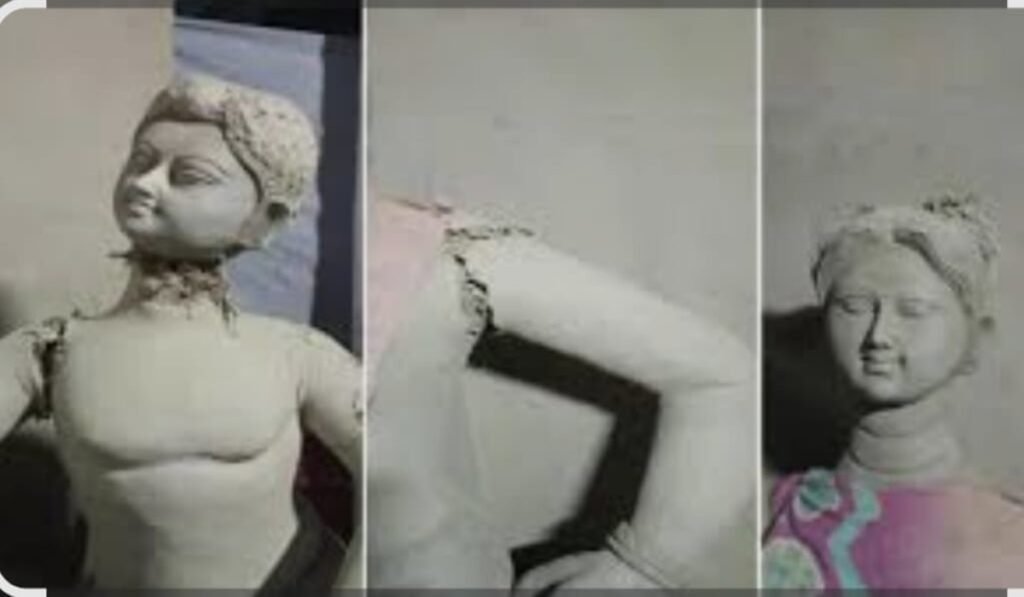
Miscreants vandalized idols at a Hindu temple in Bangladesh ahead of the Durga Puja festival, underscoring rising anti-Hindu violence under Muhammad Yunus’ interim government. Local media reported that the attack took place Sunday night at the Shwarupdah Palpara Sri Sri Rakhha Kali Temple in Kushtia district’s Mirpur upazila. Vandals smashed the heads and hands of the idols of Kartik and Saraswati and stole a security camera along with its memory card. “At the time of the incident, there was no electricity in the area, and it was raining lightly. Taking advantage of the situation, the idols were vandalized,” said temple committee president Amaresh Ghosh, quoted by The Business Standard. He said the temple, a temporary tin-shed structure, is usually guarded but was vulnerable during load-shedding. “For the past three years, we have been organizing Durga Puja here. This incident has left us in fear,” added Badal Kumar Dey, the temple’s former secretary. Mominul Islam, officer-in-charge of Mirpur Police Station, confirmed the attack and said a report would follow after investigation. The Kushtia vandalism is the latest in a series of assaults on Hindu temples and minorities since Yunus assumed office in August 2024, following the ouster of former Prime Minister Sheikh Hasina and her Awami League government. Critics say the interim administration has allowed radical Islamic groups to operate freely, fueling violence and lawlessness. The incident comes amid controversy over recent remarks by Jahangir Alam Chowdhury, the government’s home affairs adviser, who reportedly described Hindu rituals as “gatherings of liquor and drugs.” The Awami League condemned the comments, calling them “deeply disrespectful” and accusing Chowdhury of inciting religious hatred. “The home affairs adviser of the illegitimate Yunus government has shattered the spirit of Bangladesh’s Liberation War,” the party said in a statement. Durga Puja, the largest religious festival for Bangladesh’s Hindu minority, is set to begin next month. Community leaders warn that growing hostility and repeated attacks have created an atmosphere of fear and insecurity ahead of the celebrations.
Bangladesh Faces Ongoing Shortage of Routine Childhood Vaccines in Several Districts
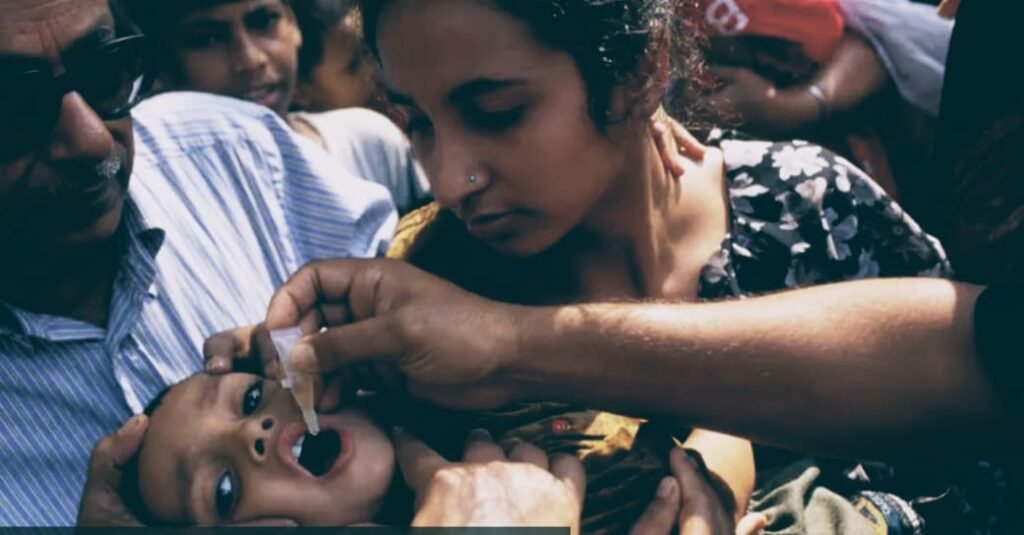
Several districts across Bangladesh have been grappling with shortages of childhood vaccines under the Expanded Program on Immunization (EPI) for more than a month, health officials said. Civil surgeons from multiple districts reported that supplies of certain vaccines have been inconsistent, leaving children unable to receive their scheduled immunizations. The shortages vary by region, with some districts facing gaps in specific vaccines while others have received adequate stock after delayed shipments. “This problem has persisted for weeks,” said one district civil surgeon, who noted that children in his area had missed their doses due to a lack of supply. “Once vaccines arrive, we are able to continue the program, but the disruptions are worrying.” Bangladesh, for the first time, began purchasing EPI vaccines last year. Until then, the program was largely supported by international donors and vaccines were provided free of cost. Officials said the transition has created logistical challenges in procurement and distribution. Despite field-level reports of shortages, the national EPI office has denied any systemic problem. A.F.M. Shahabuddin, project manager of the Expanded Program on Immunization, insisted there was “no shortage or crisis.” “The vaccines are arriving as scheduled,” Shahabuddin said. “What happens is that it takes some time to distribute them to all districts once the shipment reaches Bangladesh. That lag can create the impression of shortages, but there is no real supply gap.” Health workers and parents, however, remain concerned. Delays in administering vaccines could leave children vulnerable to preventable diseases such as measles, polio and diphtheria. Public health experts warn that even short-term disruptions in immunization schedules can have long-term consequences, especially in densely populated countries like Bangladesh. The Ministry of Health has not announced any new measures to address the delays, but officials say they are monitoring distribution more closely.
Conservative Activist Charlie Kirk Fatally Shot at Utah Campus Event; Trump Calls It a ‘Dark Moment for America’
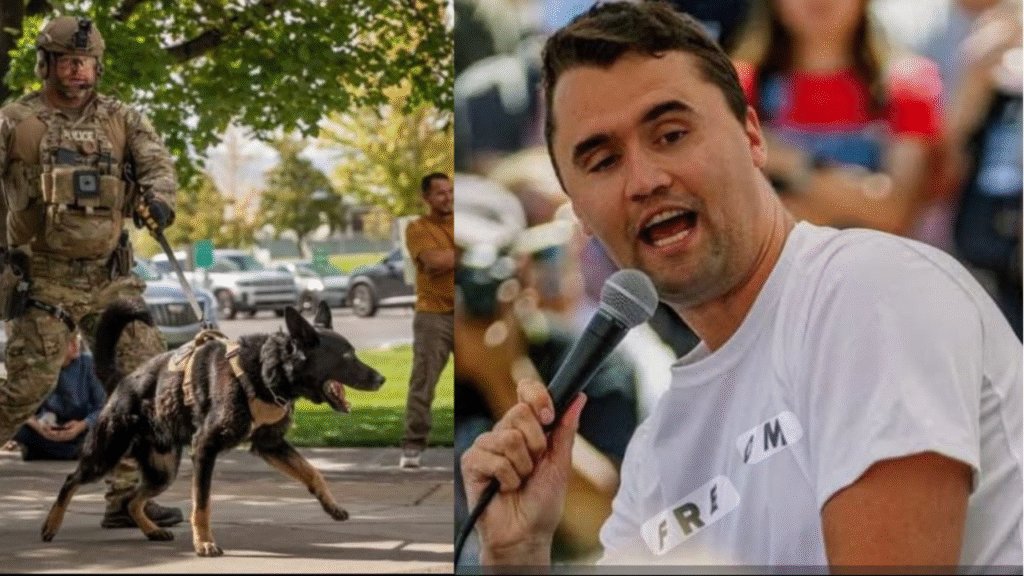
Conservative activist and prominent Trump ally Charlie Kirk was fatally shot during a campus event at Utah Valley University on Wednesday, prompting grief, outrage and a massive law enforcement manhunt for the shooter. He was 31. Utah authorities said the shooting appeared to be a “targeted attack,” with the fatal shot believed to have been fired from the roof of a campus building into a courtyard where Kirk was addressing about 3,000 people. Kirk, who founded the conservative group Turning Point USA at age 18 and was known as a close ally of former President Donald Trump and his family, was married and the father of two young children. “This heinous assassination fills me with grief and anger,” Trump said in a video message posted late Wednesday. Calling the killing “a dark moment for America,” Trump urged authorities to swiftly bring the perpetrator to justice. Two people initially detained near the scene were later released. Utah’s Department of Public Safety said they had “no current ties” to the attack. The shooter remains at large. The university was immediately placed on lockdown as heavily armed officers swept the area. Six campus security officers were on duty at the event, along with members of Kirk’s private security detail. A video circulating online showed Kirk fielding a question about mass shootings moments before a gunshot rang out, sending the crowd screaming and ducking for cover. Press Verify reviewed another clip suggesting the shot originated from a rooftop overlooking the outdoor quad. The killing has roiled political leaders in Washington. The House of Representatives held a moment of silence, but it quickly erupted into partisan shouting. Republican Rep. Lauren Boebert demanded aloud prayers for Kirk, saying, “silent prayers get silent results.” Several Democrats shouted back, “What about the kids in Colorado?” — a reference to a high school shooting that occurred the same day. First Lady Melania Trump also paid tribute, writing on X that Kirk’s children would now grow up with “stories instead of memories, photographs instead of laughter, and silence where their father’s voice should have echoed.” She said his life should serve as a reminder that “compassionate awareness elevates family, love, and country.” As the investigation continues, officials stressed that the community should remain vigilant. “This shooting is still an active investigation,” the Department of Public Safety said. “We are doing everything possible to track down the suspect.”
Nepal unrest may delay Mamata Banerjee’s return from north Bengal
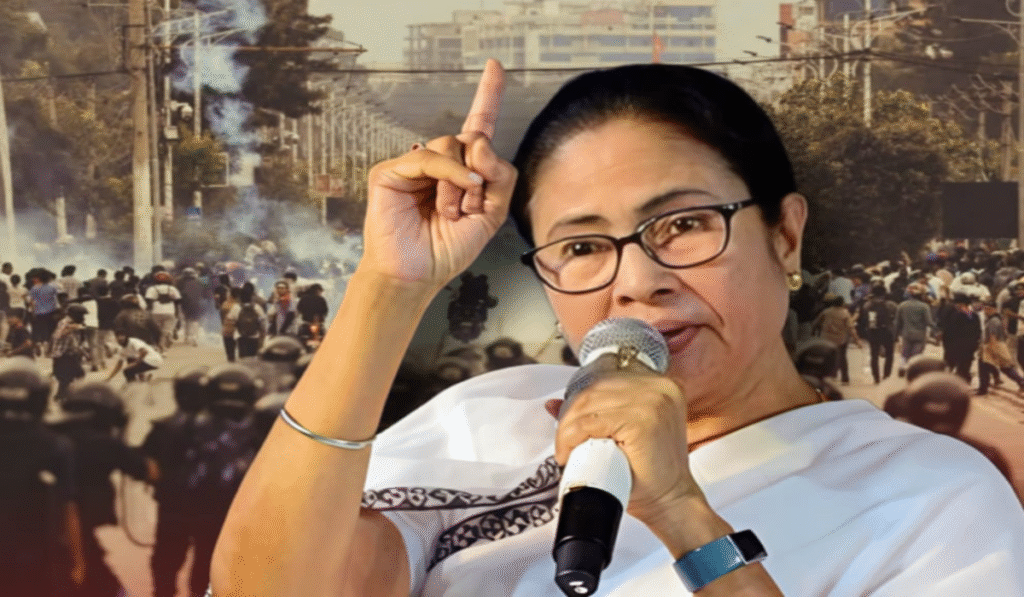
West Bengal Chief Minister Mamata Banerjee said Wednesday she may stay back in north Bengal for another day as political violence and unrest continue in neighboring Nepal. At a Press conference at Uttarkanya, the state government’s north Bengal headquarters, Banerjee said she would not return to Kolkata until the situation across the border stabilizes. “If the situation does not calm down, I will remain here,” she said. “I feel a sense of duty. I have always wanted to stand by people in times of crisis — be it a rail accident or floods in Malda. I try to be by their side.” Banerjee said she had already held meetings with district magistrates from eight districts and would decide on her return only after reviewing the situation. Taking a swipe at her opponents, she cautioned people to remain vigilant against those who “try to fish in troubled waters” for political gain. “Standing by people and exploiting a crisis are not the same,” she said. Expressing anguish over the violence in Nepal, Banerjee said she had penned a poem the previous night. “It felt terrible,” she said. “A man was set on fire alive, and people celebrated in different ways. What kind of civilization is this? Differences of opinion can exist, but burning people alive and inflicting atrocities cannot be accepted. There is no trace of humanity in this.” Reiterating her stance as an administrator, she added: “For me, people come first, before party or politics. Even if someone from my own party is at fault, I don’t spare them.” Earlier in Jalpaiguri, Banerjee announced that the state government would arrange to bring back residents of Bengal stranded in Nepal within a couple of days. She urged them not to panic. “Do not rush. Don’t invite danger upon yourselves. We are monitoring the situation closely,” she said. The chief minister spent Tuesday night at Uttarkanya, overseeing developments. “You can sleep peacefully. We are here to take care of things,” she told reporters, recalling how she had guarded the state without taking leave even during the COVID-19 pandemic. On her arrival in north Bengal, Banerjee held meetings with senior police officers. Following her instructions, surveillance along the Indo-Nepal border has been intensified. State police officials held a high-level meeting with the Sashastra Seema Bal (SSB), which guards the frontier. SSB’s 41st Battalion Commandant Yogesh Kumar Singh met with North Bengal Inspector General Rajesh Kumar Yadav and Darjeeling Superintendent of Police Praveen Prakash to discuss border security. Police stations in the border belt have since been put on alert, with naka checks underway at Panitanki and other points. Darjeeling’s police superintendent said regular communication is being maintained with Nepal Police. A district police helpline has been activated for Indians in distress.
Nepal Army Takes Charge After PM Oli Resigns, Unrest Persists Despite Curfew
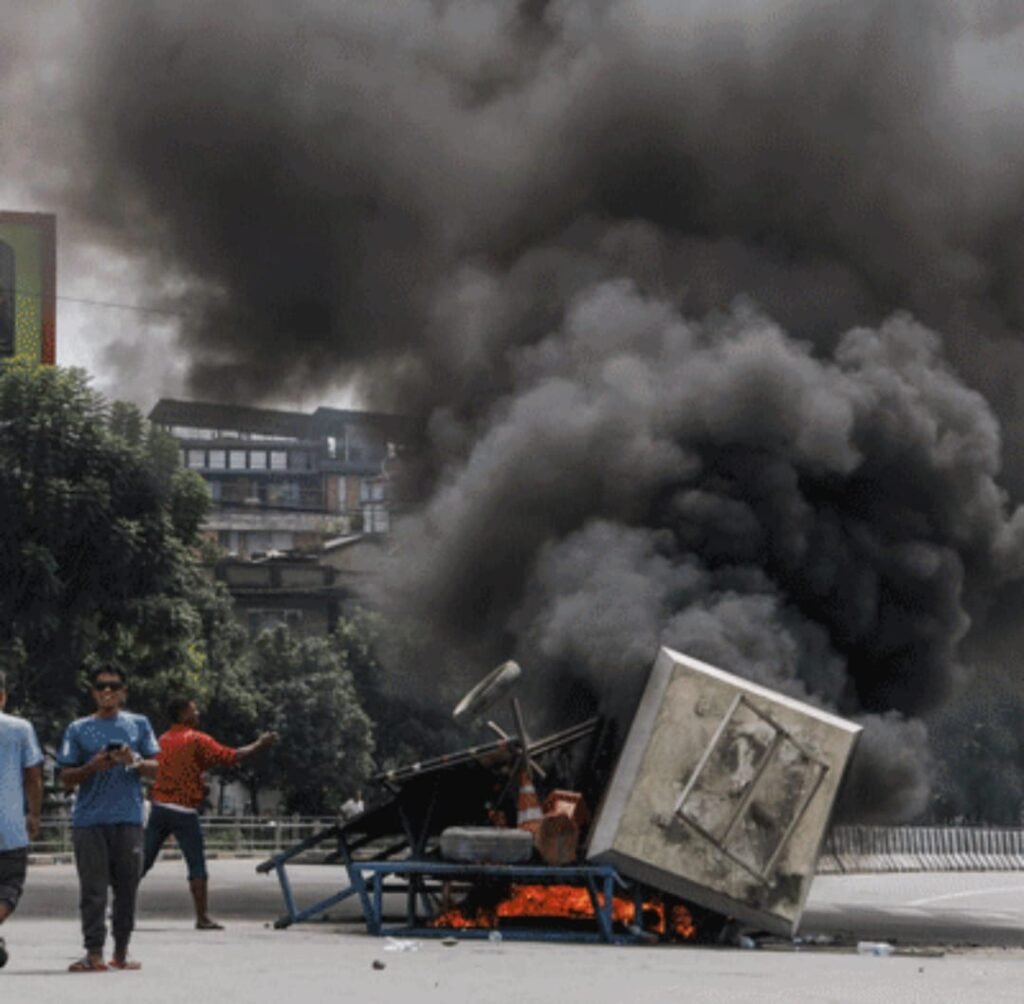
Nepal’s political crisis deepened this week as the army formally assumed control of the country following the resignation of Prime Minister K.P. Sharma Oli, but violent unrest and prison riots underscored the fragile state of order in the Himalayan nation. The army announced late Tuesday that it would govern until a new civilian government is formed, citing the need to restore stability amid escalating protests and violent clashes. Curfew orders have been imposed across major cities, and armored patrols now dominate Kathmandu and other sensitive areas. “Until a new government is established, the Nepal Army will oversee the administration to ensure sovereignty and public security,” Army Chief Gen. Ashokraj Sigdel said in a statement. He urged protesters to suspend demonstrations and join dialogue, warning that looting and vandalism would be met with strict action. The unrest, sparked by mass student and youth demonstrations in Kathmandu earlier this week, quickly spread nationwide. Protesters carrying placards and chanting slogans stormed streets, clashing with police in repeated waves of violence. On Tuesday, fires engulfed the Parliament building, as well as the residences of Oli and several cabinet ministers. Reports also surfaced of arson at Nepal’s Supreme Court. Prisons became a new flashpoint of violence. In Banke district, a confrontation at a correctional facility left at least five inmates dead and seven others wounded after police opened fire to stop a mass jailbreak attempt, according to local media. Similar incidents were reported in Pokhara, where protesters attacked jails, and authorities confirmed that around 1,600 inmates have escaped from prisons across the country in the chaos. The army has since deployed reinforcements around key government facilities, including Nepal’s main secretariat building, which is now under military control. “We are determined to safeguard sovereignty and citizens’ freedom, but certain vested groups are exploiting the unrest,” the army said in a separate statement, urging the public to remain vigilant. Efforts to negotiate a resolution are underway. Gen. Sigdel held talks late Tuesday with representatives of protest groups to hear their demands, while President Ramchandra Paudel is scheduled to meet a delegation of demonstrators on Wednesday with the army mediating. Observers hope the dialogue could pave the way for compromise and calm. Despite curfew measures, scattered clashes were reported Wednesday in several towns, though no major incidents of violence occurred. Authorities remain on high alert as thousands of demonstrators continue to defy restrictions. The crisis marks Nepal’s most severe political turmoil in years, raising fears of prolonged instability in the region.
Nepal PM Resigns, Kathmandu mayor might become Nepal’s next PM
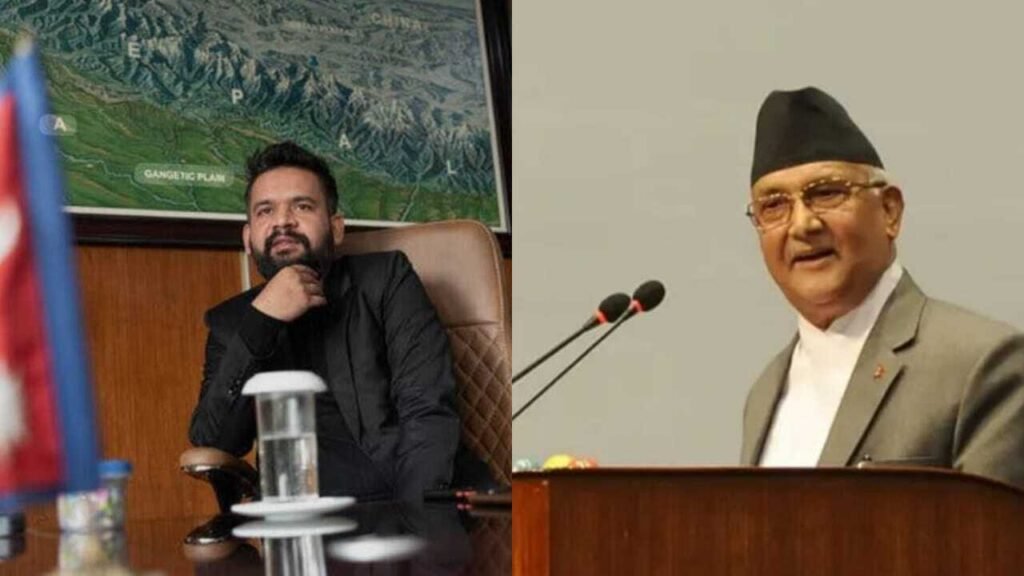
Nepal’s Prime Minister K.P. Sharma Oli resigned Tuesday after days of mass protests led by the country’s young generation against a government ban on social media platforms, which spiraled into a political crisis. Balendra Shah, Kathmandu mayor who might become Nepal’s next PM, sources said. The demonstrations, largely driven by members of Gen Z, erupted Monday in Kathmandu and quickly spread to cities including Lalitpur and Bhaktapur. Protesters accused the government of stifling free expression and targeting livelihoods after authorities restricted access to 26 platforms — including Facebook, YouTube and X — last Friday. For many young Nepalis, the platforms are more than spaces for entertainment and communication; they provide critical income streams through digital work, content creation and online businesses. Protesters argued the government’s move was an authoritarian overreach, intended to mask its failure to curb corruption. By Tuesday, the unrest had escalated. Thousands of young demonstrators poured into the streets, clashing with security forces. Despite a curfew order in several districts, protesters managed to break through barricades and storm the presidential residence in Kathmandu. As tensions rose, Army Chief Gen. Ashok Raj Sigdel reportedly conveyed to Oli that the military could no longer support his administration. With the army withdrawing its backing, Oli had little choice but to tender his resignation. Oli, 72, had served multiple terms as prime minister and was among Nepal’s most influential political figures of the past decade. His departure marks one of the most dramatic political upheavals in Nepal in recent years. Emerging as a key figure in the aftermath is Kathmandu’s mayor, Balendra Shah, a 33-year-old independent politician who has gained widespread popularity among Nepal’s urban youth. Local media reported Shah’s name has surfaced as a possible successor to Oli, though no formal announcement has been made. The protests reflect broader frustrations among Nepal’s young population, who account for nearly half of the country’s 30 million citizens. Many see limited economic opportunities at home and rely heavily on digital platforms for both expression and income. As Oli’s resignation was confirmed, crowds in Kathmandu celebrated, waving flags and chanting slogans against corruption and censorship. But uncertainty looms over Nepal’s political future, with protesters vowing to remain on the streets until their demands for free access to digital platforms are met. The government has not yet announced whether the ban on social media platforms will be lifted.
Protests Against Social Media Ban in Nepal Leave at Least 19 Dead, Hundreds Injured
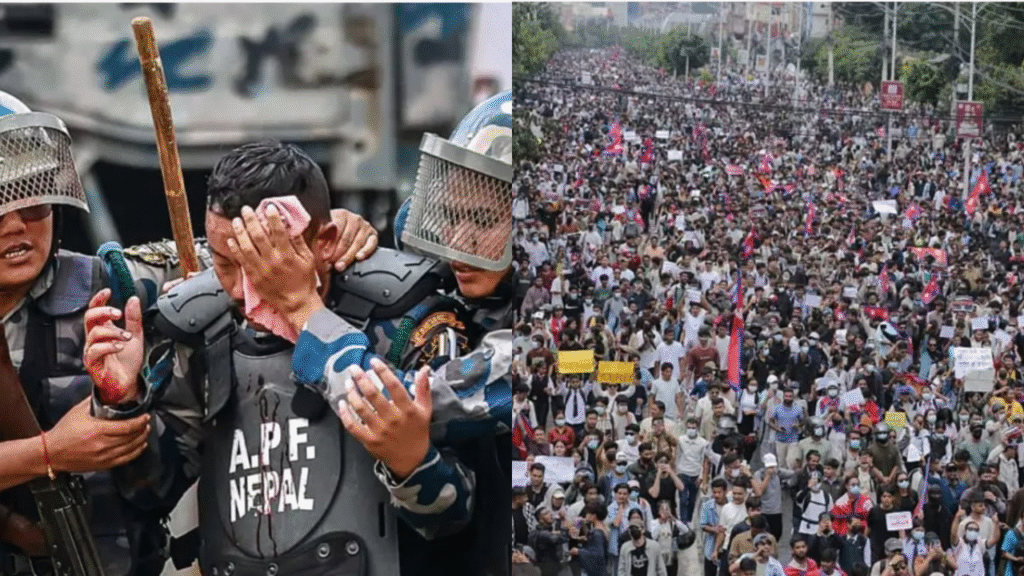
At least 19 people, including a 12-year-old child, were killed and more than 100 others injured Monday in violent clashes between security forces and protesters in Nepal’s capital after the government imposed sweeping restrictions on social media platforms. The violence erupted outside Nepal’s Parliament building in Kathmandu after thousands of young demonstrators, mobilized largely under the banner of “Generation Z,” defied curfew orders to protest the ban on Facebook, X (formerly Twitter), YouTube and several other platforms. Police fired rubber bullets, water cannons and tear gas shells to disperse the crowds after protesters broke through barricades and tried to storm the Parliament complex, officials said. Batons were also used as the situation spun out of control. “Protesters forcibly entered a restricted area, leaving security forces with no option but to use force,” Police spokesperson Shekhar Khanal told Press. The government last week ordered the blocking of 26 social media platforms that failed to register with the Ministry of Communication and Information Technology. Officials argued the ban was necessary to curb the spread of fake news, hate speech and online fraud. But the move sparked outrage among Nepal’s vast online population, many of whom rely on platforms such as Instagram and YouTube for news, entertainment, education and small businesses. “This protest is not only about social media,” said 24-year-old student Yuzan Rajbhandari. “We are also speaking against entrenched corruption that has become institutional in Nepal.” Some demonstrators carried placards reading “Enough is Enough” and “End Corruption.” Others chanted slogans against what they described as the government’s “authoritarian mindset.” In one video widely circulated on VPN-enabled feeds, a protester shouted, “If the children of ministers can have a bright future, why not ours?” Another demonstrator, student Ikshama Tumrok, said: “We want change. Our previous generations tolerated injustice, but we want this suffering to end with us.” The protests quickly spread beyond Kathmandu to other parts of Nepal as anger mounted over the restrictions. Curfew and Army Deployment Initially, authorities declared a curfew in Kathmandu’s Baneshwor neighborhood, where Parliament is located, but later extended it to all high-security areas of the capital, including the presidential palace, the prime minister’s residence at Baluwatar, Singha Durbar government complex, and the vice president’s home. Residents were ordered to stay indoors and avoid gatherings. Army spokesperson Rajaram Basnet told the Press that a “small unit” of soldiers had been deployed after the curfew was imposed, underscoring the seriousness of the unrest. Communication Minister Prithvi Subba said security forces had no alternative but to resort to force once protesters stormed into protected zones. “The situation became such that the use of water cannons, rubber bullets and batons was unavoidable,” Subba said. Ban Triggers Wider Debate The government has maintained it does not intend to “ban social media” but wants platforms to comply with Nepali laws and register locally. Two companies have since registered, and their services were unblocked, officials said. Still, analysts say the restrictions risk further alienating young Nepalis, many of whom see social media as a vital part of their lives and livelihoods. Nepal’s Supreme Court in September 2024 directed the government to regulate social media platforms more strictly. Authorities have since taken steps to enforce compliance. Earlier, the government had temporarily banned TikTok, lifting the restriction only after the platform pledged to follow national laws. In July, authorities also blocked the Telegram messaging app, alleging its use in online fraud and money laundering. Monday’s crackdown marks the bloodiest episode yet in Nepal’s escalating confrontation over digital freedom. Government May Reconsider In the wake of the deadly clashes, government sources told local media that authorities were now considering lifting or easing the restrictions. The violence has drawn criticism from rights groups, who warned that suppressing online platforms and cracking down on peaceful assembly would deepen political instability. “The government underestimated the anger of a young generation that views social media as more than just entertainment — it is their link to the world, their livelihood and their voice,” said one Kathmandu-based analyst. As Nepal reels from the violence, many fear more unrest ahead unless the government quickly addresses both the ban and broader grievances over corruption and governance.


