
RSS warns BJP against alienating Bengali migrant workers, says move could help Mamata
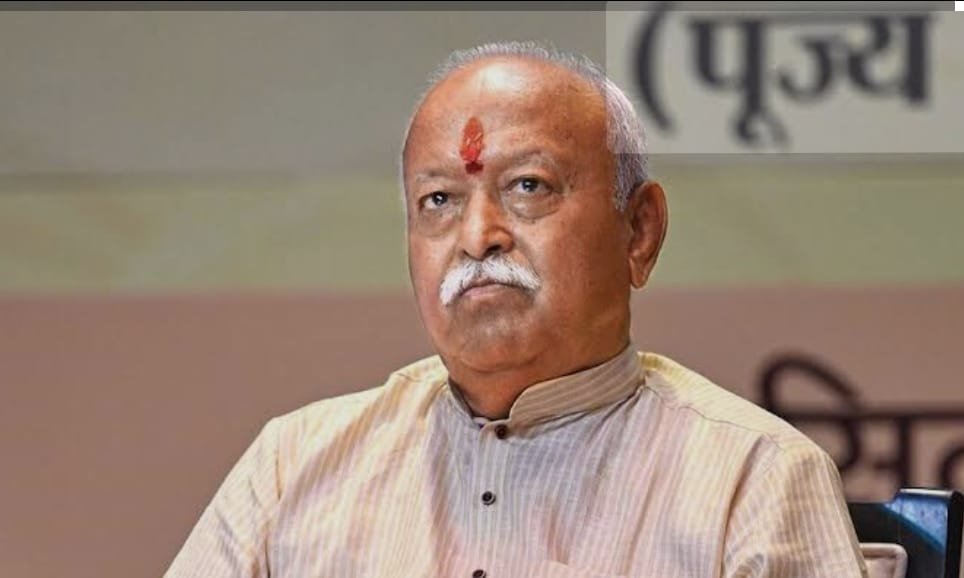
Kolkata, Aug 29 (Reuters) – The Rashtriya Swayamsevak Sangh (RSS), ideological mentor of India’s ruling Bharatiya Janata Party (BJP), has cautioned party leaders against targeting Bengali-speaking workers in BJP-ruled states, warning that such moves could strengthen West Bengal Chief Minister Mamata Banerjee. According to people familiar with the matter, senior RSS leaders have privately conveyed to BJP’s central leadership that the harassment of Bengali migrant workers amounts to a “self-goal,” handing Banerjee political ammunition. They said the issue has already given the Trinamool Congress leader an opportunity to project herself as the protector of Bengali identity. The concern is expected to feature in the RSS’s coordination meeting scheduled from Sept. 5-7 in Jodhpur, Rajasthan, where RSS chief Mohan Bhagwat will be present, the people said. The organization, which has been expanding its grassroots presence in West Bengal in recent years, fears the incidents could hamper its outreach. RSS leaders have also raised the matter with Maharashtra Chief Minister Devendra Fadnavis and a senior federal minister, underscoring that no Indian citizen should be treated as an outsider for speaking Bengali. The Sangh believes action against illegal migrants should not spill over into hostility against lawful citizens, which risks alienating West Bengal’s electorate. Banerjee’s Trinamool Congress has staged street protests over alleged assaults on Bengali workers in BJP-ruled states, accusing the ruling party of discrimination.
BJP files police complaint against TMC lawmaker Mahua Moitra over ‘anti-national’ remarks
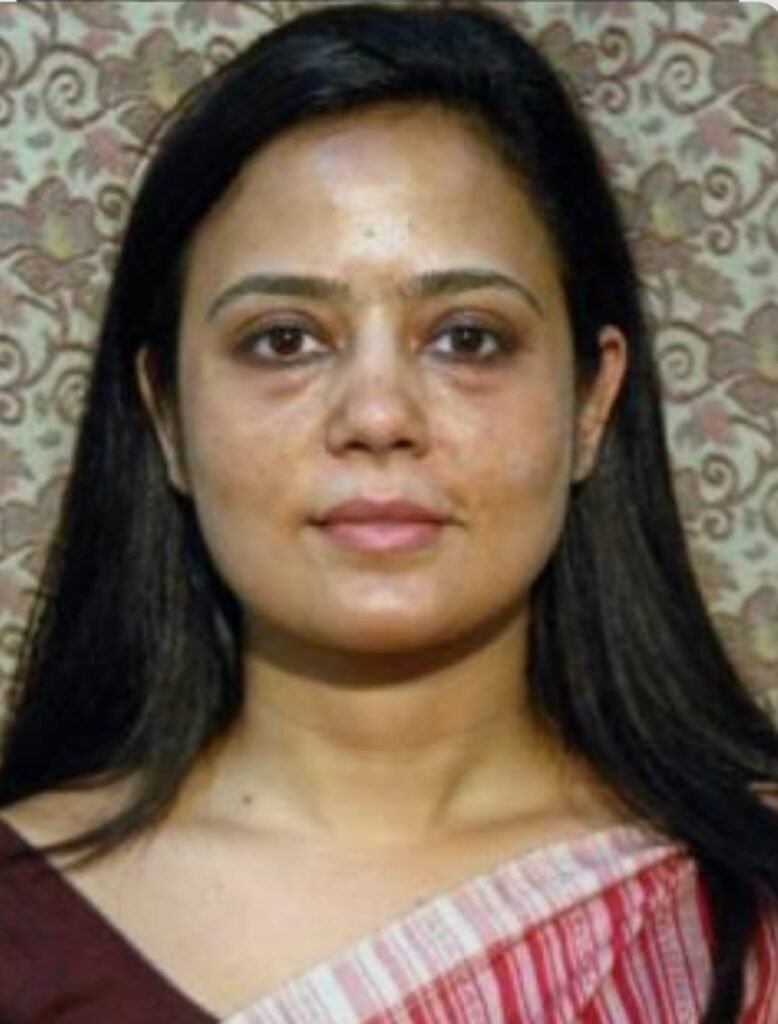
India’s ruling Bharatiya Janata Party (BJP) on Thursday filed a police complaint against Trinamool Congress (TMC) parliamentarian Mahua Moitra, accusing her of making “anti-national” remarks against Home Minister Amit Shah. The complaint, lodged at Kotwali police station in Nadia district, followed comments Moitra made on Aug. 26 during a land allotment event in Krishnanagar. Speaking to reporters afterwards, Moitra criticised the government over illegal immigration and lashed out at Shah. “If no one is responsible for guarding India’s borders and thousands from other countries can just walk in, then the Home Minister’s head should be cut off and placed on the Prime Minister’s table,” Moitra said, referring to Shah. Her remarks sparked an immediate backlash from BJP leaders, who questioned how a sitting MP could speak of beheading a Union minister. Sukanta Majumdar, a BJP MP and former state party president, said: “Mahua proves that knowing English does not mean one is educated.” Sandeep Majumdar, BJP spokesperson for Nadia North organisational district, lodged the police complaint, demanding immediate action against the lawmaker. The controversy comes months ahead of West Bengal state elections. Immigration and border security have become flashpoints in the political contest between the BJP, which accuses the state government of sheltering illegal migrants for electoral gain, and Chief Minister Mamata Banerjee’s TMC, which argues that border protection is the responsibility of the federally controlled Border Security Force (BSF).
TMC supremo says party will expand seat tally in 2026 polls

With seven months still to go before assembly elections in West Bengal, Chief Minister Mamata Banerjee has declared that her Trinamool Congress (TMC) will increase its tally of seats, a rare public prediction from the party chief. Banerjee, usually cautious about making numerical forecasts, told a student wing rally on Thursday that TMC would win more seats than it did in 2021, when it secured 215 of the 292 contested seats. “Remember, in the next election your seats will increase. The reason is we deliver development and we will continue to do so,” she said. Her nephew and party’s second-in-command, Abhishek Banerjee, made a similar assertion at the same event, claiming the Bharatiya Janata Party (BJP) would struggle to cross 50 seats. The BJP had won 77 seats in 2021 but its strength has since declined following defections and bypoll defeats, leaving TMC with 219 seats in the 294-member house. Party strategists say Banerjee’s unusual prediction is aimed at projecting confidence, energising TMC’s grassroots network, and unsettling rivals. Senior leaders argue the government’s extensive welfare schemes, particularly targeting women and minorities, coupled with TMC’s organisational control at the booth level, leave little space for the BJP to expand despite attempts at religious polarisation. Analysts, however, note that the ruling party will enter the 2026 polls carrying 15 years of anti-incumbency, a factor that could weigh on voter sentiment as it did against the Left Front in 2011 after more than three decades in power. Banerjee also used the occasion to hit out at the Election Commission, accusing it of intimidating state officials after four bureaucrats were suspended. “The Election Commission comes and goes, but the state government remains,” she said, signalling defiance amid growing friction between her administration and the poll body.
CISF launches training course to build hybrid port security model

India’s Central Industrial Security Force (CISF) has launched its first specialised training course for private security personnel deployed at ports, in a move aimed at creating a “hybrid” port security model and strengthening compliance with international maritime codes. The pilot programme, rolled out simultaneously at Jawaharlal Nehru Port Authority (JNPA) near Mumbai and Chennai Port Authority (ChPA), will equip private guards with skills in threat identification, port operations and emergency response, CISF said on Tuesday. While CISF secures all 13 major ports, smaller and intermediate ports across the country rely heavily on private security agencies to protect cargo zones, warehouses and access gates. India has nearly 200 ports, of which about 65–68 are active in cargo operations. “By providing focused training tailored to the complex environment of ports, we are empowering security personnel to perform their duties with confidence and professionalism, ultimately safeguarding critical infrastructure and trade,” said S.R. Saravanan, Inspector General of CISF (South Sector). The two-week “Port Facility Security Course,” designed with inputs from the Directorate General of Shipping, Customs and other stakeholders, will also cover the use of technical security equipment and standards under the International Ship and Port Facility Security (ISPS) Code. So far, 40 private security personnel from JNPA, Deendayal Port in Kandla and Mumbai Port have enrolled at the JNPA training centre, while 26 participants from New Mangalore, Ennore, Chennai and Tuticorin ports joined at the ChPA centre. CISF plans to expand the programme to other ports in the coming months. The training comes at a time when Indian ports had earlier this year elevated security to MARSEC Level 2, requiring stricter checks amid heightened geopolitical tensions. “The introduction of this course marks a critical advancement in port security management,” said Sunil Paliwal, Chairperson of Chennai Port Authority.
ED uncovers racket in NRI quota medical admissions, seizes assets
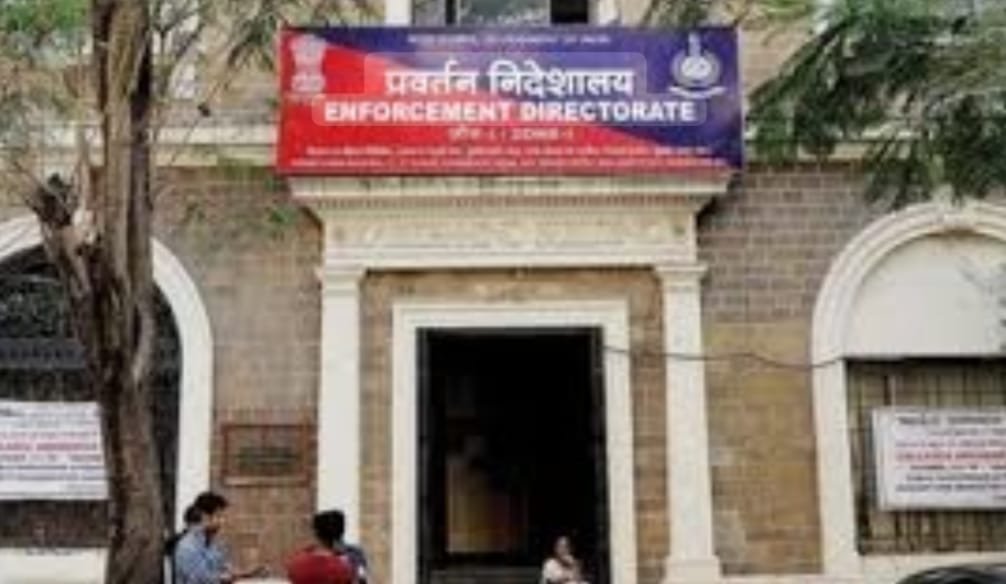
Enforcement Directorate (ED) has unearthed a large-scale racket involving fake documents to secure medical college admissions under the Non-Resident Indian (NRI) quota, seizing assets worth more than 1.2 billion rupees ($148 million) from private institutions and individuals, the agency said. The probe, carried out with help from the Ministry of External Affairs (MEA) and Indian embassies abroad, found that about 18,000 MBBS seats in private colleges were granted to students who submitted forged papers, including fabricated NRI certificates and family trees. Investigators said admission agents colluded with colleges to recycle the same set of fraudulent documents for multiple candidates. Some genuine NRI applicants also allegedly accepted payments to allow their identities to be misused. Raids at several campuses led to the recovery of fake certificates and notarised stamps purportedly from U.S.-based officials. Regulations mandate that tuition fees under the NRI quota must be paid by an overseas relative, but the ED said most payments came from other sources. Despite receiving evidence from the MEA, authorities in West Bengal and Odisha failed to act against certain private colleges, the agency said. It recently provisionally attached a fixed deposit of 642 million rupees belonging to a West Bengal institution. Indian consulates worldwide flagged that many of the NRI sponsor certificates were “not genuine,” raising questions over the integrity of the admissions system. The ED said the case highlights systemic loopholes, collusion between agents and institutions, and weak oversight that allowed the racket to thrive, undermining the NRI quota’s original aim of bringing in foreign exchange.
Actor and BJP Politician Joy Banerjee Dies at 61
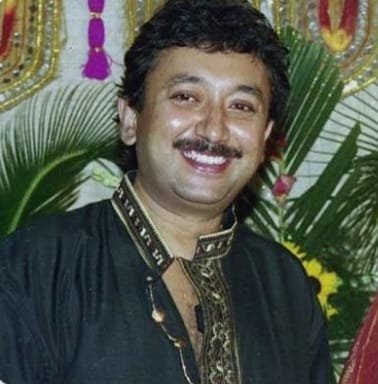
Popular Bengali actor and politician Joy Banerjee has died at the age of 61 in Kolkata. Banerjee passed away on Monday morning at 11:30am at a private hospital off the Eastern Metropolitan Bypass, where he had been undergoing treatment for severe respiratory illness. Hospital sources confirmed he had been battling chronic obstructive pulmonary disease (COPD) and was placed on ventilation on 17 August, following his admission two days earlier. Born in 1963, Banerjee was drawn to cinema from an early age. He made his acting debut opposite actress Debashree Roy, but it was filmmaker Anjan Choudhury’s 1990s hit Hirak Jayanti that established him as a household name. His on-screen pairing with actress Chumki Choudhury became immensely popular with audiences, though their off-screen relationship eventually ended. Banerjee’s personal life often made headlines. He first married actress and Trinamool Congress councillor Ananya Banerjee, but the relationship did not last. Later, he married Ankita Banerjee, who survives him, along with his mother. By the late 1990s, Banerjee gradually stepped away from cinema and turned to politics. He joined the Bharatiya Janata Party (BJP) and contested the Lok Sabha elections from Birbhum in 2014 and Uluberia in 2019, though he was unsuccessful in both attempts. He rose to become a member of the BJP’s state committee in West Bengal, where his star power was seen as an asset during campaigns. However, in November 2021, Banerjee publicly announced that he was stepping away from active politics and would no longer represent the BJP. Despite his departure from both cinema and frontline politics in recent years, Banerjee remained a recognisable public figure in Bengal, remembered as much for his screen charisma as for his controversial political journey. News of his death has sparked tributes from both the Bengali film fraternity and political colleagues, many recalling his contributions to the silver screen and his attempt to bridge cinema and public service. Banerjee is survived by his wife, Ankita Banerjee, and his mother.
India appoints ex-CRPF chief Anish Dayal Singh as deputy to NSA Doval
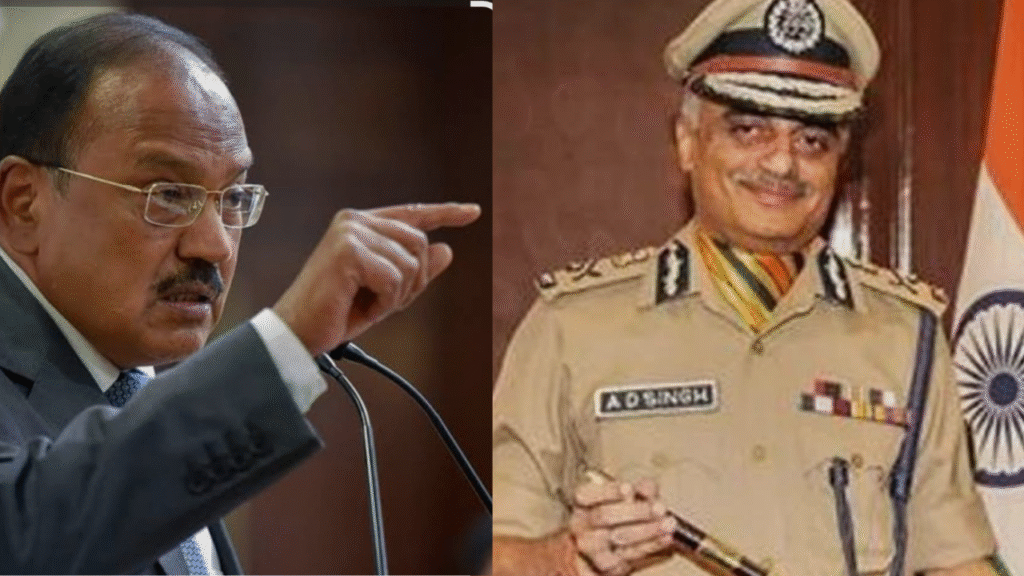
India has appointed former paramilitary chief Anish Dayal Singh as a deputy to National Security Adviser (NSA) Ajit Doval, with responsibility for domestic security, government sources told Press on Monday. Singh, a retired Indian Police Service (IPS) officer of the 1988 Manipur cadre, has been named Assistant National Security Adviser (ANSA). He previously headed the Central Reserve Police Force (CRPF) and the Indo-Tibetan Border Police (ITBP), and served nearly three decades in the Intelligence Bureau (IB). He retired in December 2023. Officials said Singh will oversee issues related to Jammu and Kashmir, counter-insurgency operations against Maoist rebels, and internal security in India’s northeast. His appointment adds to the team of two existing assistant NSAs – retired IPS officer T.V. Ravichandran and former diplomat Abhay Kapoor – while former Research and Analysis Wing (RAW) chief Rajinder Khanna serves as Additional NSA. During his tenure as CRPF chief, Singh expanded counter-Maoist operations, creating four new battalions and over three dozen forward operating bases in insurgency-hit regions. His appointment comes as the government pushes to eradicate Maoist militancy by March 2026, a target set by Home Minister Amit Shah. According to official data presented in parliament, districts affected by Maoist insurgency have fallen from 126 in 2013 to just 18 in April 2025. The government has not issued a formal statement on Singh’s new role, but analysts say his experience in counter-insurgency and intelligence makes the appointment significant at a time when New Delhi is focusing on domestic security challenges.
ED arrests West Bengal lawmaker in teachers’ recruitment scam probe
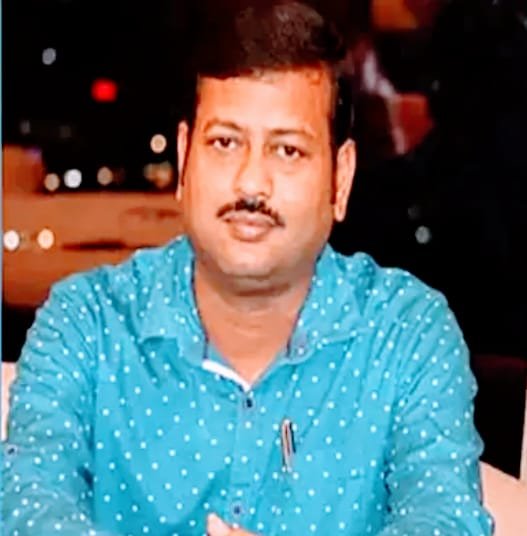
India’s financial crime-fighting agency on Monday arrested a state legislator from West Bengal’s ruling Trinamool Congress party in connection with a teachers’ recruitment corruption case, officials said. Jiban Krishna Saha, a lawmaker from Burwan constituency in Murshidabad district, was detained after hours of questioning for allegedly refusing to cooperate with investigators, the Enforcement Directorate (ED) said. He is expected to be brought to Kolkata later in the day and produced before a court. ED officers, backed by federal paramilitary forces, raided Saha’s home early on Monday. As officers closed in, Saha attempted to flee by scaling a boundary wall but was caught in a nearby field, officials said. Investigators also recovered two mobile phones that Saha allegedly threw into a pond during the raid. Saha had previously been arrested by the Central Bureau of Investigation (CBI) in April 2023 during raids linked to the same case. He was later granted bail by the Supreme Court. On both occasions, he allegedly tried to destroy evidence by discarding mobile phones in water. The latest raids also extended to Saha’s in-laws’ residence in Raghunathganj, Murshidabad, and to the home of a relative, Maya Saha, a municipal councillor in Birbhum district. Investigators also searched the residence of a relative of Prosanna Roy, an aide to former state education minister Partha Chatterjee, who is already facing trial in the teachers’ recruitment scam. The case centres on allegations that large sums of money were collected from job seekers in exchange for teaching posts in state-run schools. Several Trinamool leaders, including former education minister Chatterjee, have been arrested in connection with the scandal. The Trinamool Congress has repeatedly accused federal agencies of being used by Prime Minister Narendra Modi’s Bharatiya Janata Party (BJP) to target its leaders ahead of state and national elections.
Family feud in Bengal’s Matua stronghold exposes BJP rift
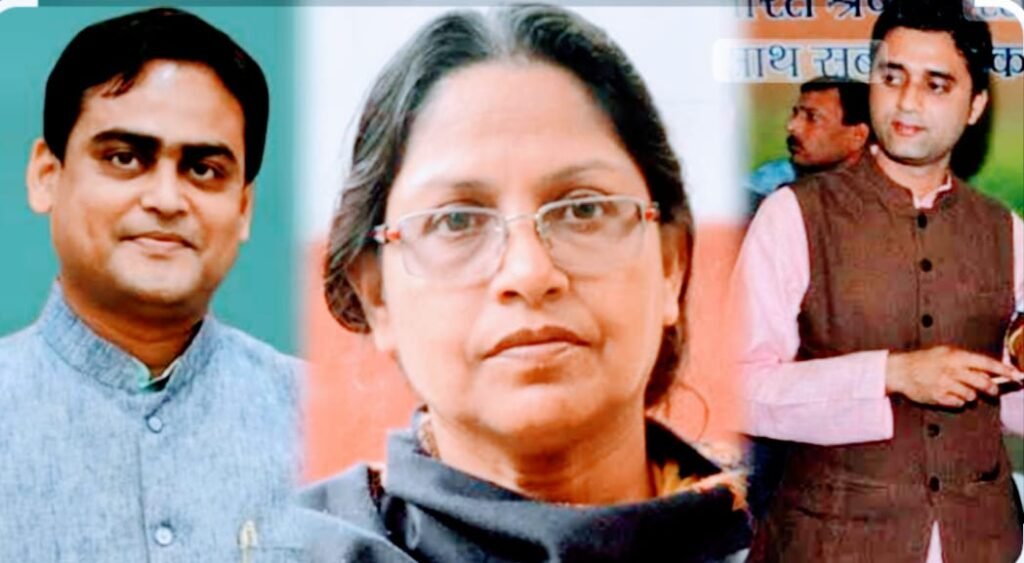
A bitter feud within the influential Thakur family of the Matua community has erupted into the open, exposing cracks in the ruling Bharatiya Janata Party (BJP) in West Bengal and raising speculation about shifting political allegiances. The row centres on a Citizenship Amendment Act (CAA) assistance camp being run inside the historic Nat Mandir (temple hall) at Thakurnagar, the seat of the Matua sect. The initiative, spearheaded by BJP MP and Union Minister Shantanu Thakur, offers refugees from Bangladesh help in filing CAA applications – a politically sensitive issue ahead of elections. But Shantanu’s cousin, Subrata Thakur, BJP MLA from Gaighata and also head of the All India Matua Mahasangh, has publicly opposed the move. He questioned why a religious space was being used for political purposes. “The Nat Mandir is meant for devotees, not for political camps,” Subrata said, accusing his younger brother of monopolising power within the sect. The clash escalated on Saturday after Shantanu organised a special camp at the temple. Subrata objected, alleging that the sanctity of the site was being compromised, while Shantanu countered that the camp was serving devotees by helping them access their CAA rights. “No political activity is being done. We are only ensuring devotees face no difficulty in applying,” the minister said. The dispute has split the family. Subrata’s mother, Shibirani Thakur, and aunt Mamata Bala Thakur, a Trinamool Congress MP, have backed him, accusing Shantanu of using the temple for partisan gains. Mamata Bala confirmed she had held talks with Subrata, though she insisted the discussions were limited to the temple and devotees’ concerns, not politics. On the other side, the family patriarch, former state minister Manjul Krishna Thakur, came out in defence of his younger son Shantanu, saying he himself had authorised the camp as chief sevayat (caretaker) of the sect. “Differences should have been resolved within the family. Bringing outsiders and the Trinamool into the matter is unacceptable,” he said, criticising Subrata and his mother. The BJP MLA, however, dismissed accusations of defecting to the Trinamool. “Family comes first, politics later. I only spoke to my mother, aunt and sister regarding the Nat Mandir. It was about the devotees’ convenience,” Subrata told reporters. Shantanu, meanwhile, alleged that his elder brother was “looking for an excuse to join the Trinamool Congress” with ambitions of becoming a minister. The Matua community, numbering several million in Bengal, is seen as a decisive voting bloc, particularly in North 24 Parganas and Nadia districts. With many members tracing roots to erstwhile East Pakistan, the promise of citizenship under the CAA has been a major BJP plank. Analysts say the public spat highlights the fragility of BJP’s hold over the Matua vote bank and could weaken its prospects if the family feud deepens further.
WBNUJS launches hybrid master’s in criminology
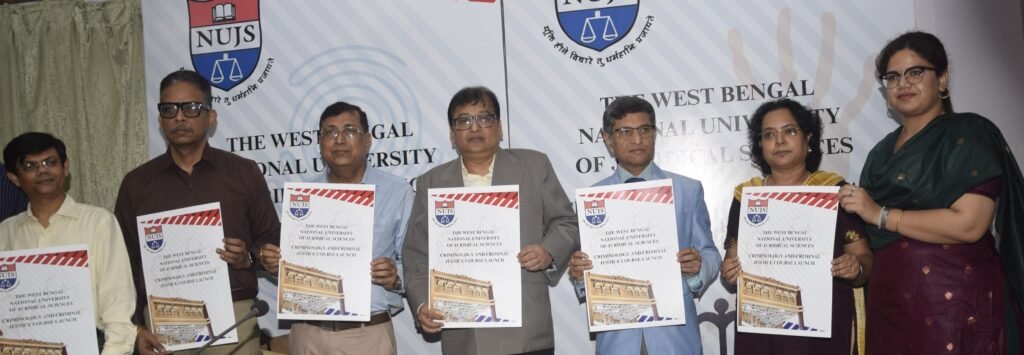
The West Bengal National University of Juridical Sciences (WBNUJS) has launched a two-year hybrid postgraduate programme in criminology and criminal justice, offering both M.A. and M.Sc. degree options. The course was launched in the presence of Justice Tirthankar Ghosh, Justice Ananya Banerjee and Justice Sugata Majumdar of the Calcutta High Court, Dr. Nirmal Kanti Chakrabarti, Vice-Chancellor of WBNUJS, Sanjay Singh, IPS, DIG (Cyber Crime), West Bengal Police, and Manoj Kumar Roy, probation officer. The course, unveiled in Kolkata in the presence of three Calcutta High Court judges, senior police officials and academics, is aimed at students and working professionals seeking advanced training in crime and justice studies. The programme combines law, social sciences and forensic science, with courses on cybercrime, victimology, forensic technology, prison management and predictive crime analysis. M.A. candidates will study three specialised forensic papers, while M.Sc. candidates will take five. Vice-Chancellor Nirmal Kanti Chakrabarti said the initiative, aligned with India’s National Education Policy 2020, would prepare professionals for careers in criminal justice administration, policing, forensics, corrections and policy research. “The hybrid format is especially attractive for working professionals. This programme responds to society’s urgent need for skilled experts in crime management and justice delivery,” Chakrabarti said. WBNUJS, set up under a 1999 state law, ranked fourth in India’s 2023 national law school rankings and recently received an A+ grade from the National Assessment and Accreditation Council. Admissions, open to Indian and international candidates, require at least 50% marks in undergraduate studies.


