
Outrage in West Bengal Over Death of Nursing Student, Doctors Demand Judicial Probe

The death of a young nursing student at a private medical facility in West Bengal’s Singur has sparked widespread outrage and drawn comparisons to a previous case that shook the state. The West Bengal Junior Doctors’ Front (WBJDF), a prominent medical collective, is demanding a judicially monitored investigation into what it calls a suspicious death and potential cover-up. The 22-year-old woman, originally from Nandigram in Purba Medinipur district, was found hanging inside the hospital premises on Thursday evening — just four days after she joined as a trainee nurse. While the hospital management described the death as a suicide, the student’s family has alleged foul play, including sexual assault and murder, reportedly after she uncovered irregularities at the facility. “This is not an isolated incident,” WBJDF said in a statement released late Friday. “This is a rerun of the 9 August tragedy at RG Kar Medical College. Once again, a young woman is dead, and once again, institutions are scrambling to suppress the truth.” In August last year, the death of a postgraduate medical student at Kolkata’s RG Kar Medical College — widely seen as a case of sexual violence and institutional failure — triggered statewide protests. Doctors and civil society groups accused the authorities of shielding the perpetrators, manipulating evidence, and intimidating whistleblowers. Red Flags in Handling of Case According to WBJDF, the handling of the current case raises “serious red flags.” The group alleges that the nursing student’s body was hastily removed from the hospital before her family arrived and transported first to a local police station, then to Serampore Walsh Hospital, and finally to the morgue at Kolkata Medical College by Friday morning. The group questioned the motive behind shifting the body so quickly and accused the police of undermining the investigation. “There is already an attempt to write this off as suicide,” the WBJDF said. “We demand full transparency, or the public’s trust in the justice system will be permanently eroded.” Key Demands for Justice The organisation has issued five specific demands: A post-mortem under judicial supervision, with full videographic documentation A swift and impartial judicial inquiry, free of political interference Public disclosure of all findings at every stage of the investigation Immediate preservation of the crime scene and retrieval of all CCTV footage in a forensically sound manner Exemplary punishment for those found guilty Backing the family’s request, the WBJDF demanded that the autopsy be conducted at a neutral central government facility. Authorities have agreed, and the autopsy was being carried out at the All India Institute of Medical Sciences (AIIMS) in Kalyani at the time of reporting. Political Fallout and Protests The incident has triggered political responses across the spectrum. Both BJP and CPM workers staged protests outside police stations, accusing law enforcement of prematurely declaring the death a suicide and attempting to erase evidence. Several opposition leaders echoed concerns raised by the WBJDF, pointing to similarities with the RG Kar case where police and hospital authorities faced widespread criticism. The state government has yet to respond publicly to the WBJDF’s statement or to announce any independent inquiry. As anger mounts across West Bengal, many fear this could be another case where justice is delayed—or denied—amid political apathy and institutional silence.
TMC Leader’s Nephew Accused of Assaulting Referee During Football Match in Medinipur
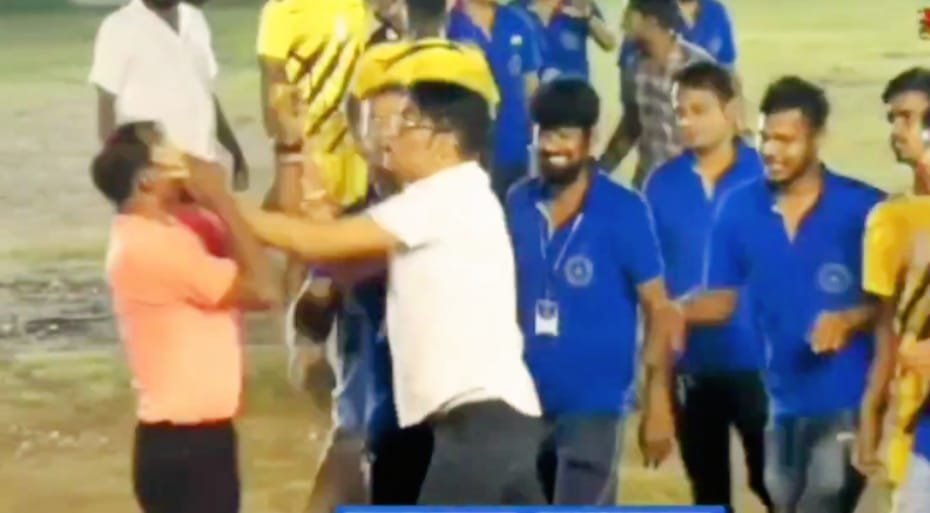
A local football match in Medinipur, West Bengal, descended into chaos on Friday after the nephew of a Trinamool Congress (TMC) leader allegedly stormed the pitch and assaulted the referee, sparking political controversy. The accused, identified as Raja Khan, is the nephew of Soumen Khan, chairman of Medinipur Municipality. Video footage that has since gone viral shows Raja confronting referee Laxman Mandi — a member of the Kharagpur Sub-Division Referees’ Association — before kicking him in the stomach. Spectators and players were seen attempting to restrain him, but to little effect. The altercation reportedly began after a disputed goal, which was later disallowed. Local sources allege that Raja used intimidation to force the decision. Opposition parties have seized on the incident. BJP leader and Leader of the Opposition Suvendu Adhikari shared the video online, drawing parallels with alleged attacks on the Election Commission by Chief Minister Mamata Banerjee. “Attacking referees is part of TMC culture — whether it’s the Election Commission in polls or a referee in a local football match,” he wrote. The ruling party has distanced itself from the incident. TMC spokesperson Arup Chakraborty condemned the assault, calling it “shameful and indefensible,” but argued the party should not be held responsible for the actions of a relative. He drew comparisons with BJP leader Kailash Vijayvargiya’s son, who once attacked a government official with a cricket bat. “There is rule of law in Bengal. Action will be taken,” he said. Even Raja’s uncle, Soumen Khan, disapproved of his conduct. “I was not present at the ground. I condemn this incident in the strongest terms. He may be my nephew, but wrongdoers cannot be spared. He should apologise to the referee immediately,” the civic chairman said. West Bengal Referees’ Association official Chittadas Majumder called the assault “a heinous act,” stressing that violence against referees “cannot be tolerated at any level of the game.” The controversy has further intensified the political sparring in Bengal ahead of upcoming polls, with both the ruling TMC and the opposition BJP trading blame over law, order, and culture in the state.
Nurse found dead at West Bengal nursing home sparks political protests
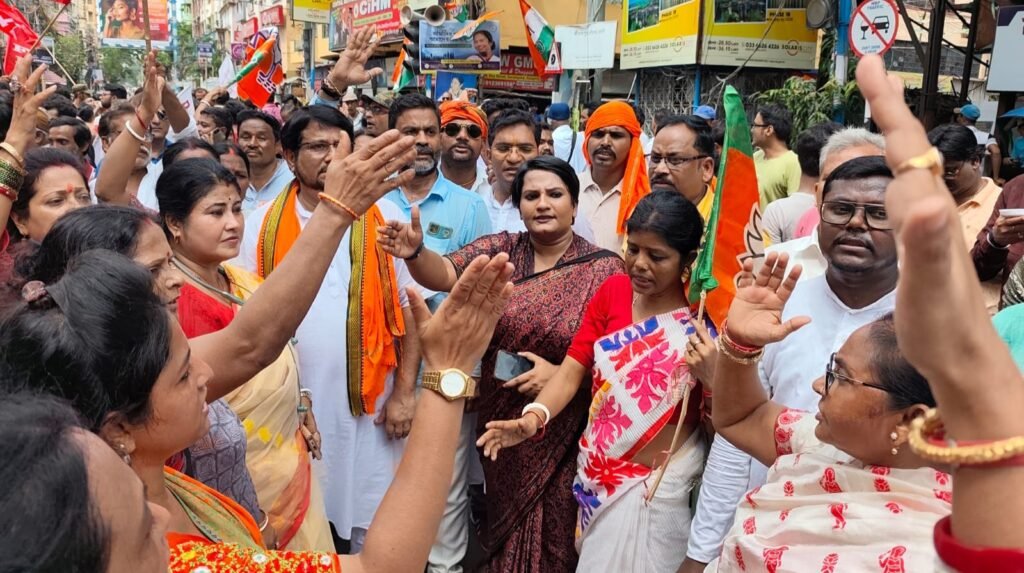
A 24-year-old nurse has been found dead at a nursing home in West Bengal’s Hooghly district, triggering protests and demands for a full investigation. Police said the woman’s body was discovered on Thursday, hanging from the ceiling of a room on the third floor of the facility in Singur. She had joined the nursing home only four days earlier and was a resident of Nandigram in Purba Medinipur district. Her family alleged she was raped and murdered after uncovering irregularities in the running of the nursing home. They also accused police of taking her body for post-mortem examination without informing them. The nursing home’s management has denied the allegations, claiming she died by suicide. The opposition Bharatiya Janata Party (BJP) and the Communist Party of India (Marxist) held demonstrations in the area, accusing the authorities of a cover-up. On Friday, BJP state women’s wing president Falguni Patra joined a protest at Serampore Walsh Hospital, where the body is being kept. State minister and local Trinamool Congress MLA Becharam Manna said action would be taken if police found evidence of foul play. Police have opened an investigation and said they were awaiting the autopsy report before proceeding further.
Burglars Strike Former Swimmer Bula Chowdhury’s Ancestral Home in West Bengal

Burglars have broken into the ancestral home of Padma Shri award-winning former swimmer Bula Chowdhury in Hindmotor’s Debaipukur Road, West Bengal, police said on Friday. The house, which Chowdhury and her family no longer occupy, is mostly vacant and is looked after by her brother, Milan Chowdhury. Milan told local media he discovered a broken rear gate when he visited the property to clean ahead of upcoming festivities. Medals, mementos, bathroom fixtures, and religious items were reported stolen. Chowdhury’s Padma Shri award was not taken, as she keeps it in her Kolkata apartment. “It is painful that medals are being stolen. They have no market value, but they are my life’s achievements,” Chowdhury told the Press. Police from Uttarpara station, led by Inspector-in-Charge Amitava Sanyal, visited the scene. Chowdhury said the same house was burgled about five to six years ago, but no significant recovery was made at that time. No arrests have been made.
Portion of Delhi’s Iconic Humayun’s Tomb Collapses, Killing at Least Five

A section of the 16th-century Humayun’s Tomb — widely regarded by archaeologists as the first major example of Mughal architecture in India — collapsed suddenly on Friday afternoon, leaving at least five people dead and several others trapped under debris. The incident occurred around 4:30pm at the UNESCO World Heritage Site in southeast Delhi’s Nizamuddin East, when part of a dome gave way, according to police. Witnesses said between eight and nine people were caught beneath the rubble, with rescue teams still searching for survivors. Delhi Fire Services told the Press that five bodies have been recovered so far, while fears remain that more victims are buried. Five fire engines and multiple disaster response units were deployed to the site. The collapse happened on a public holiday, when the 450-year-old monument was teeming with visitors. “There were a lot of tourists inside at the time,” a police official told reporters. Humayun’s Tomb, commissioned in 1562 by Hamida Banu Begum — the widow of the Mughal emperor — and designed by Persian architect Mirza Ghiyas, is celebrated as the first garden-tomb in the Mughal tradition. The red sandstone mausoleum not only influenced later Mughal structures, including the Taj Mahal, but also stands as a symbol of the dynasty’s cultural and architectural legacy. The tomb houses the remains of Emperor Humayun, who ruled in two separate stints during the turbulent early years of the Mughal Empire. The emperor’s reign was interrupted after he lost Delhi to Afghan ruler Sher Shah Suri, forcing him into exile. Humayun eventually regained the throne but died in 1556, just a year after his return. India’s Archaeological Survey, which manages the site, has not yet commented on the cause of the collapse. Conservationists have long warned that climate stress, urban pollution, and maintenance lapses could threaten the structural integrity of Delhi’s historic monuments. The tragedy has raised urgent questions about the safety and preservation of India’s cultural heritage.
Mass Nighttime Protests Across West Bengal Over Doctor’s Rape and Murder
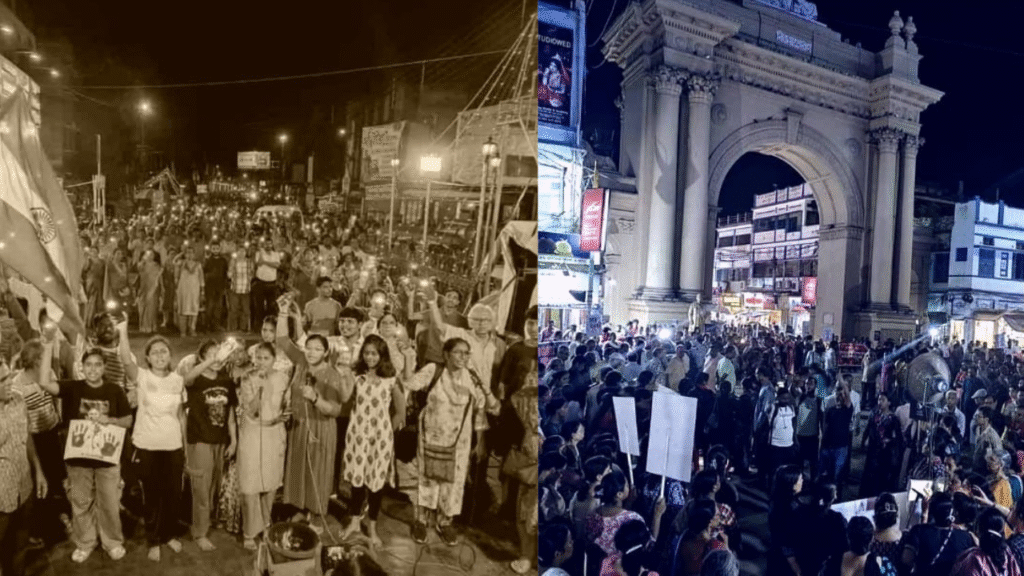
Tens of thousands of people across the Indian state of West Bengal took to the streets on Thursday night in torch-lit vigils and rallies, demanding justice for a young female doctor who was raped and murdered at a Kolkata hospital last year. The “Raatdakhhol” — literally “Night Occupation” — protests were held simultaneously in multiple locations, from Kolkata’s Shyambazar and Jadavpur to towns such as Burdwan, Ghatal, and Medinipur. The movement, spearheaded by a citizens’ collective known as Abhaya Manch (“Fearless Forum”), began exactly a year after a massive outpouring of public anger first swept the city on 14 August 2024. In Kolkata, demonstrators gathered at key intersections — including Shyambazar, Rasbehari Avenue, Lake Town, and Nagerbazar — holding flaming torches, waving national flags, and using mobile phone flashlights to light the night. Many sat in circles on the pavement, reading poetry, staging street plays, and painting protest art on the road. The rallies were not limited to the state capital. In Hooghly district, crowds gathered from Chinsurah to Singur; in Howrah, protesters occupied sites such as Kadamtala and Santragachi; and in Burdwan, people assembled near the historic Curzon Gate. In the southern suburbs, including Behala and Sonarpur, the protests were marked by both large turnouts and political tensions. Organisers accused local leaders from the ruling Trinamool Congress of trying to disrupt the events, a charge the party denied. In Shyambazar, the mother of nine-year-old Tamanna Khatun — killed earlier this year in a bomb attack during a political victory procession in Nadia district — joined the rally, saying she wanted justice not only for her daughter but also for the murdered doctor. Smaller towns such as Ghatal in West Midnapore and Ashoknagar in North 24 Parganas saw late-evening gatherings, with makeshift stages set up for speeches and cultural performances. The original crime — the brutal rape and killing of a junior doctor at RG Kar Medical College in Kolkata — sparked nationwide outrage in 2024, drawing comparisons to the 2012 Delhi gang rape case. The victim’s colleagues have since led repeated strikes, marches, and symbolic occupations, demanding stronger protections for women in the workplace and faster trials in sexual assault cases. On Thursday night, the chants of “We want justice” once again echoed through Bengal’s streets, underscoring the enduring anger and grief that has kept the case alive in public memory.
Bollywood actor Shilpa Shetty, husband Raj Kundra face fraud case over Rs 60 crore business deal
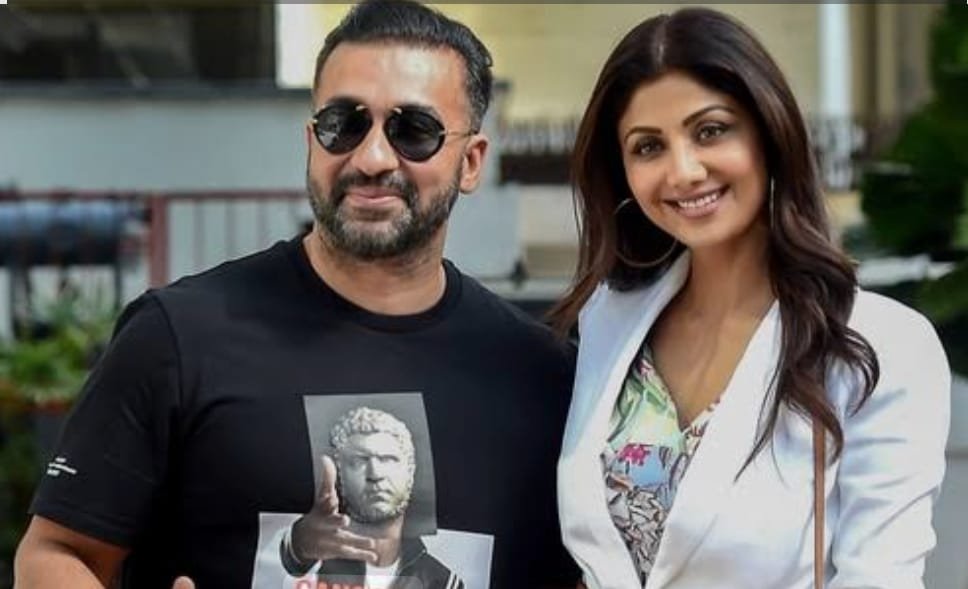
Bollywood actor Shilpa Shetty and her husband, businessman Raj Kundra, are under investigation by Mumbai Police’s Economic Offences Wing (EOW) following a complaint by local businessman Deepak Kothari alleging they misappropriated over ₹60 crore ($7.2 million) meant for business investment. According to the police complaint, Kothari said Shetty and Kundra obtained the funds between 2015 and 2023 after promising to invest them in their online retail venture, Best Deal TV Pvt Ltd, where Shetty held an 87.6% stake at the time. Kothari alleged that an intermediary, Rajesh Arya, introduced him to the couple and initially sought a ₹75 crore loan at a 12% annual interest rate. The couple later proposed that Kothari invest instead to avoid higher taxes, promising business growth. Kothari said he transferred ₹31.9 crore in April 2015, followed by additional payments over the years, totaling ₹60.48 crore. However, he alleges the money was spent on personal expenses rather than business purposes. Mumbai Police have registered a case against Shetty, Kundra, and Arya, and the EOW has begun an investigation. Representatives for Shetty and Kundra did not immediately respond to Press’’ requests for comment.
Hidco orders PKG Medical College Hospital to change land use, demands Rs 122 crore
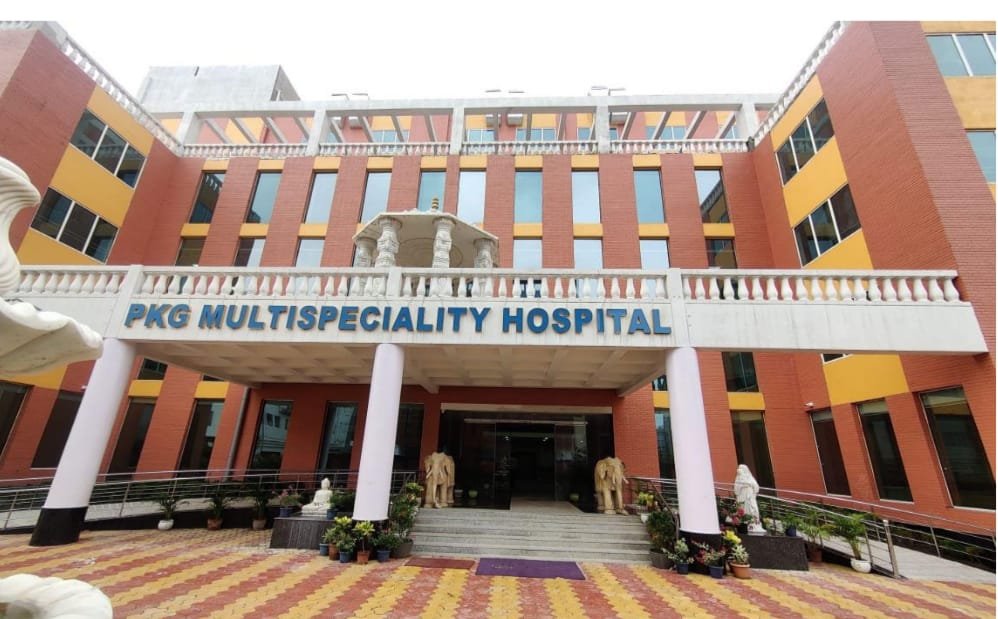
West Bengal Housing Infrastructure Development Corporation (Hidco) has ordered PKG Medical College Hospital in New Town to change the designated land use from “information technology” to “institutional” and demanded Rs 122 crore as conversion fees, according to officials familiar with the matter. The notice, sent about 10–12 days ago, states the hospital was built on land earmarked for the IT sector in New Town’s DH Block without altering its land-use status. The New Town Kolkata Development Authority (NKDA) has refused to renew the hospital’s trade licence, which expired in March 2024, until Hidco grants clearance. Hospital authorities have rejected the demand as “unjustified” and accused Hidco of acting illegally. “We offered Rs 477,000 per cottah, but Hidco demanded an additional Rs 100 cr,” hospital head Pradip Kumar Ghosh told a Bengali daily, blaming the agency for delays. Officials said the hospital, built on over 4.5 acres, has also not obtained an occupancy certificate or a fire licence. Despite this, outpatient services, diagnostic tests, and patient admissions are continuing, according to a recent visit by reporters. Former doctors at the facility have alleged discrepancies in bed numbers reported to different agencies and the absence of safety clearances. An NKDA official said no new trade licence will be issued without Hidco’s approval. A senior Hidco official said the agency is acting to ensure the hospital complies with regulations. The hospital’s promoters claim they invested ₹8 billion two years ago but have been unable to start full academic operations, leaving enrolled students without classes. They also allege Hidco has threatened to shut the facility if the dues are not paid.
Kolkata delivery worker dies in Salt Lake crash and fire
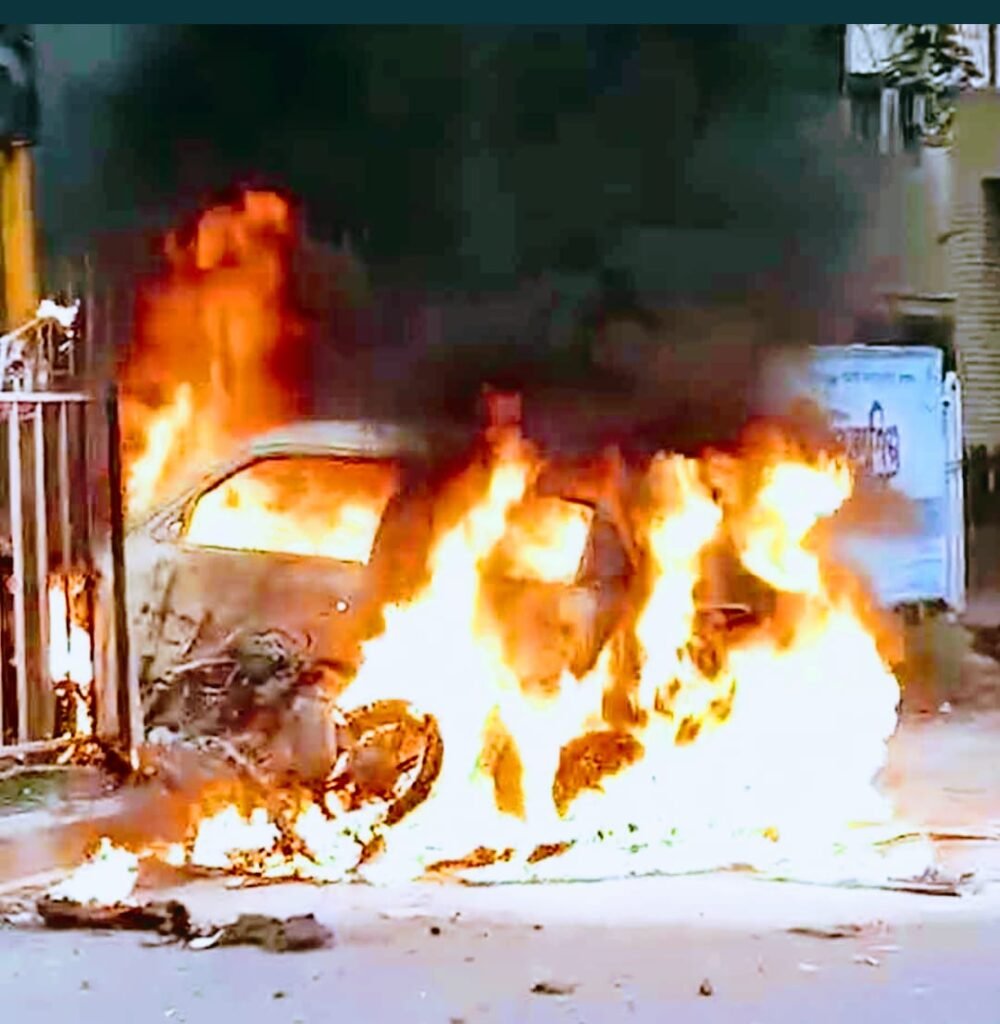
A delivery worker has died in Kolkata after being trapped between a burning car and a roadside railing, sparking angry protests and clashes with police. The incident happened on Wednesday evening near the No. 8 bridge between Kestopur and Salt Lake. Police say a four-wheeler collided with a courier service vehicle, lost control and crashed into the railing. Moments later, the car exploded and caught fire. Eyewitnesses told local media that the delivery worker, who had stopped his motorbike nearby, became wedged between the railing and the car. While the car’s occupants were rescued, the worker could not be freed and died at the scene. Two others were injured, one critically, and have been taken to hospital. The fire brigade said it received a call at around 17:40 local time and sent two engines to extinguish the blaze before retrieving the victim’s body. Shortly after the accident, local residents surrounded police officers, accusing them of standing by and recording videos instead of trying to rescue the man. Some alleged that the driver of the car was under the influence of alcohol. Crowds blocked roads and threw stones at officers. Police responded with tear gas after protesters tried to stop traffic on both sides of the bridge. Stones were thrown from both directions, and the situation resembled a “battlefield”, according to witnesses. A senior police officer rejected accusations of inaction, saying trapped passengers had been rescued and taken to hospital. “We had to use tear gas when protesters tried to block the road,” he said. The cause of the crash remains unclear. Salt Lake East police station is investigating.
West Bengal Orders All Cinemas to Screen Bengali Films Daily Amid Language Politics
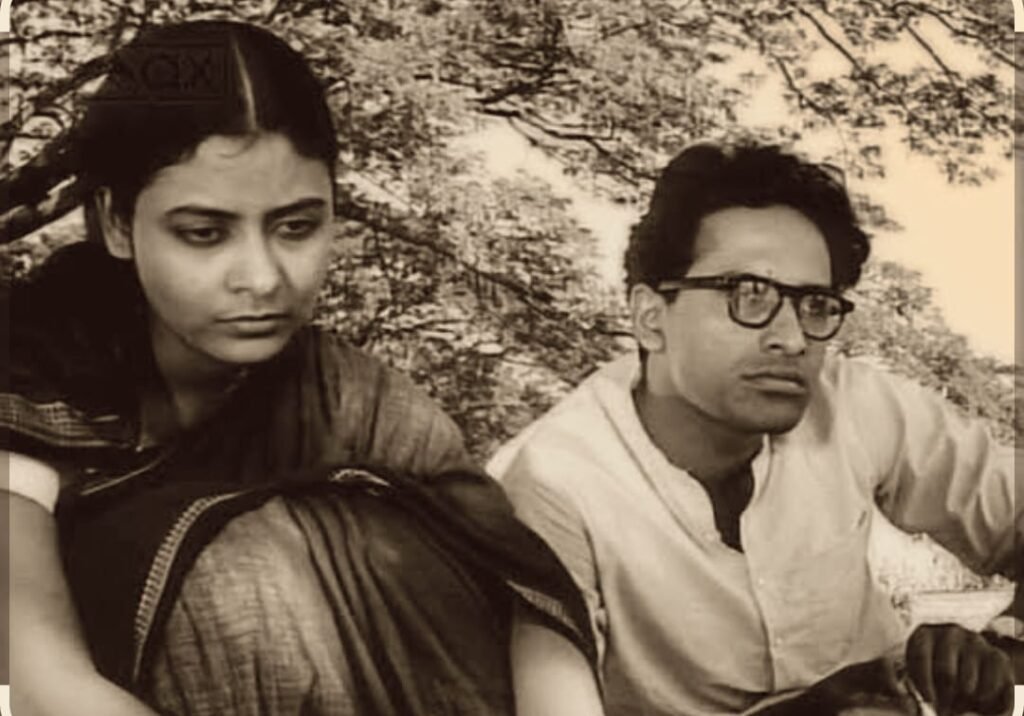
The West Bengal government has made it mandatory for all cinema halls and multiplexes in the state to screen at least one Bengali-language film every day during “prime time,” a move that officials say aims to promote regional culture but which critics view as politically charged. The directive, issued Wednesday by the state’s Information and Cultural Affairs Department, applies to every screen across the state and takes effect immediately. Prime time has been defined as the period between 3 p.m. and 9 p.m., during which cinemas must include a Bengali film in their daily programming, regardless of other releases. “This order is being implemented under the West Bengal Cinemas (Regulation) Act of 1954,” the government said in its notification, adding that amendments to the law will follow. “The directive will remain in force until further notice.” While the state government framed the order as a cultural preservation measure, the announcement comes against a backdrop of growing political confrontation over Bengali identity and language rights in India’s eastern state. Over the past months, Chief Minister Mamata Banerjee and her Trinamool Congress (TMC) party have accused the Bharatiya Janata Party (BJP) – the state’s main opposition – of undermining Bengali culture. The TMC has launched what it calls a “language movement,” holding rallies every Saturday and Sunday to protest alleged discrimination against Bengali-speaking communities in other parts of India. “Bengalis have faced atrocities despite their talent,” Banerjee told a public meeting last week. “We will not tolerate this. From scholars to sportspersons, everyone must resist in their own way and show that Bengal never bows down.” Banerjee has also sharpened her rhetoric against the BJP, accusing it of “collaborating with the British” during India’s freedom struggle – a charge BJP leaders have dismissed as political theatre. The issue has gained traction as incidents of hostility toward Bengali speakers in at least five to seven Indian states have sparked protests in Kolkata and beyond. TMC leaders have linked the cinema directive directly to this broader campaign, framing it as part of a defence of linguistic and cultural rights. This is not the first time Banerjee’s administration has taken steps to enforce the visibility of the Bengali language. Earlier this year, Kolkata’s municipal authorities moved to make Bengali signage mandatory on shops and commercial establishments. While cultural activists have welcomed the cinema order, saying it could boost the struggling Bengali film industry, cinema owners have expressed concerns about commercial viability, especially in multiplexes dominated by Hindi and English blockbusters. With the 2026 state elections on the horizon, analysts say the directive reflects Banerjee’s strategy to mobilise Bengali identity as a political tool against the BJP – a contest that is expected to intensify in the coming months.


