
Union Sports Ministry’s nod to the clubs to conduct ISL; Asks AIFF for AFC allotment
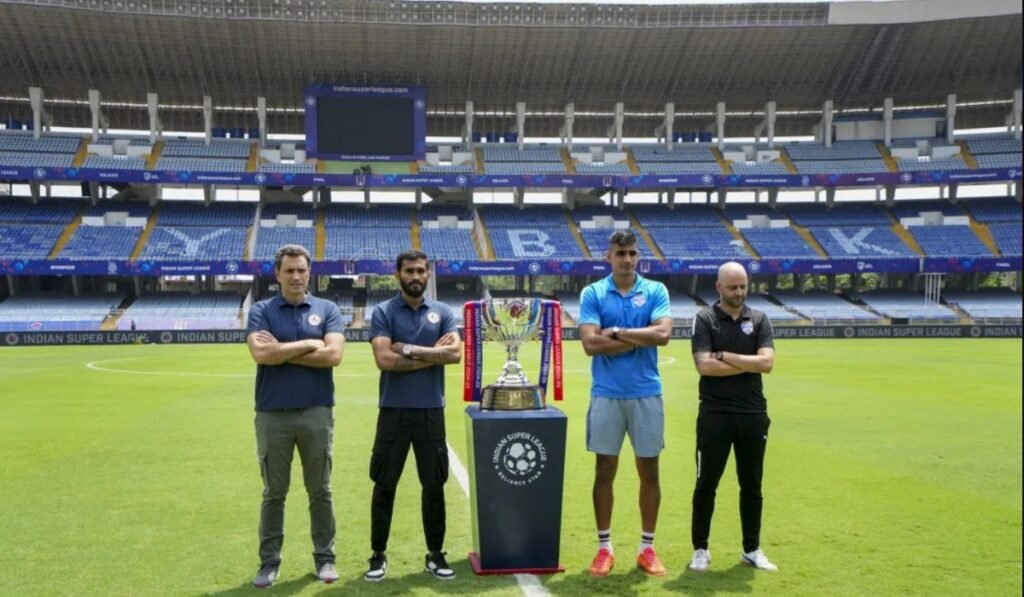
Union Sports Ministry, in a virtual meeting with the ISL clubs and the All India Football Federation (AIFF) top brass, has given a green signal to the clubs to conduct ISL, which is in a stalemate. The joint secretary of the ministry has asked the clubs to submit proposals for the ISL, both on a short-term and long-term basis. The ministry, however, has simultaneously asked the clubs to reduce the budget for the stadiums and training expenditures they spend on their home matches. The Union Sports Ministry, at the same time, has reminded the clubs to coordinate with the Asian Football Confederation (AFC) through the AIFF for its permission if a short-term ISL is proposed by the clubs for this season only. According to the AFC rule, the country’s top-tier league must have at least 27 matches. However, the ISL clubs requested the Union Sports Ministry and the AIFF representative to introduce a salary-cap for the players, divulging that they already spent an amount, out of their budget for the players amidst the ongoing impasse. East Bengal representative in the virtual meeting opined if the ISL is continued for the long term by the clubs themselves, then they will take part in the League but will not be a part of stake-holders. However, the clubs have informed Union Sports Ministry that they will submit proposals following a meeting in between them and submit the proposal to the Union Sports Ministry which will be deposited to the Supreme Court finally. Former vice-president of the Federation, Subrata Dutta, however, said, “Even if the Supreme Court approves proposal, then also ISL cannot be resumed by February.”
Union Sports Minister only listens to everybody! FSDL wants to reduce the AIFF-proposed amount
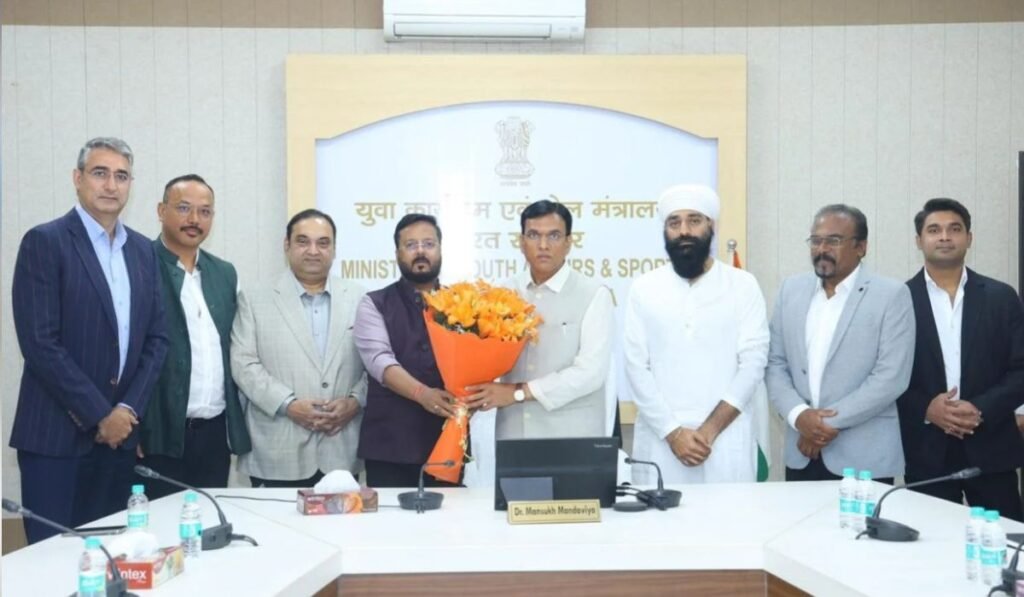
Looking forward to the resumption of the country’s premier football leagues this season, Indian football did not find any ray of hope even after a series of virtual meetings with Union Sports Minister Mansukh Mandaviya on Wednesday afternoon. The ISL clubs, the I-League clubs, cxountry’s a few leading broadcasters, and the FSDL, commercial partner of the AIFF, put their proposals to the Union Sports Minister accordingly since the afternoon. FSDL also had a separate meeting with the Union Sports Minister. Then, ISL and I-League club representatives had a meeting jointly in the evening with the Sports Minister, where the Joint-Secretary, Union Sports Ministry, the broadcasters, FSDL, and AIFF top brass were also present. It has been learned that no specific time frame has been given to the clubs regarding the resumption of the ISL and I-leagues this season. Union Sports Minister has only assured them of a response, which will be taken shortly, looking forward to the solution of this stalemate. It is also learned that after ISL clubs’ proposal to resume the ISL, bearing their own expenses, I-League club bosses urged the Sports Ministry to bring out a system in running the country’s premier leagues. One of the I-League club bosses revealed on condition of anonymity, “We urged for running of the Leagues systematically or make a merger of the ISL and elite I-League. If that cannot be done then a system must be there where relegation and promotion in the ISL must be applied. Promotion in the ISL has started, but that is also creating confusion. When a club is being promoted to ISL, is the respective club’s capacity to fulfil all financial terms for the ISL being monitored at all? We saw Mohammedan Sporting, that how they failed to pay salaries to their ISL footballers. We saw how they failed to clear the ISL coach’s salary. So, along with relegation, the system of promotion should be transparent.” However, FSDL in their assertion conveyed the message that Indian football does not have the financial value demanded by the AIFF in their initial tender. It meant, the company wants to pressure the AIFF to reduce the amount. One of the leading broadcasters pointed out that Indian football should have a proper structure. The broadcaster cited the example of India’s domestic cricket, which is played nearly six to eight months a year.


