
Sheikh Hasina Sentenced to Death by Bangladesh Tribunal for 2024 Crackdown
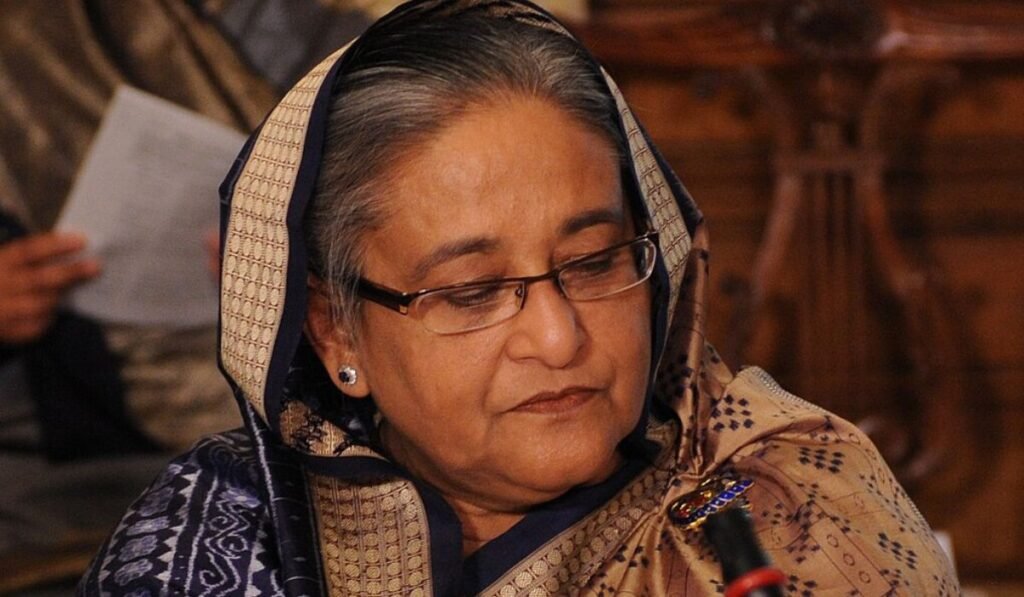
Bangladesh’s International Crimes Tribunal has sentenced former Prime Minister Sheikh Hasina to death after finding her guilty of crimes against humanity for a violent crackdown on student-led protests last year that left more than 1,400 people dead. The 78-year-old, now a fugitive and residing in India, was tried in absentia. Prosecutors alleged that Hasina was the “mastermind and principal architect” of the deadly suppression of mass demonstrations between July 15 and August 5, 2024 — one of the worst periods of political violence since Bangladesh’s 1971 independence war. Courtroom Reaction Live footage from Dhaka showed cheers and applause erupting in the courtroom as the tribunal delivered the death sentence. Security was tight across the capital, with police checking commuters’ belongings and guarding access to the court. Details of the Charges According to the verdict, the tribunal found Hasina guilty of: Ordering lethal force, including the use of drones and helicopters, against protesters. Incitement and failure to take preventive or punitive measures during the killings and mass injuries. Orchestrating actions that were “widespread and systematic” and “directed against the civilian population”. The UN earlier estimated that up to 1,400 people were killed, most by gunfire from security forces, during the 2024 uprising. The interim government led by Nobel laureate Muhammad Yunus, which took power after Hasina’s 15-year rule collapsed in August 2024, denied accusations that the trial was politically motivated. Officials said the proceedings were transparent and monitored by observers. The Foreign Ministry earlier summoned India’s envoy to Dhaka, demanding that New Delhi stop providing Hasina a platform to communicate with the media.Hasina’s son, Sajeeb Wazed, said he had expected the death sentence and claimed his mother was safe under Indian protection. He warned that her supporters would not accept the ruling quietly.The Awami League, now banned from contesting elections, is expected to mobilise large-scale protests, adding further uncertainty as Bangladesh heads toward national polls next year. In an extraordinary twist, the tribunal that sentenced Hasina today is the same court she established in 2010 to prosecute collaborators of the 1971 war. Over the years, the tribunal convicted and executed several opposition leaders — a process critics often called politically motivated.
Hasina moves to settle Awami League succession with family at the helm
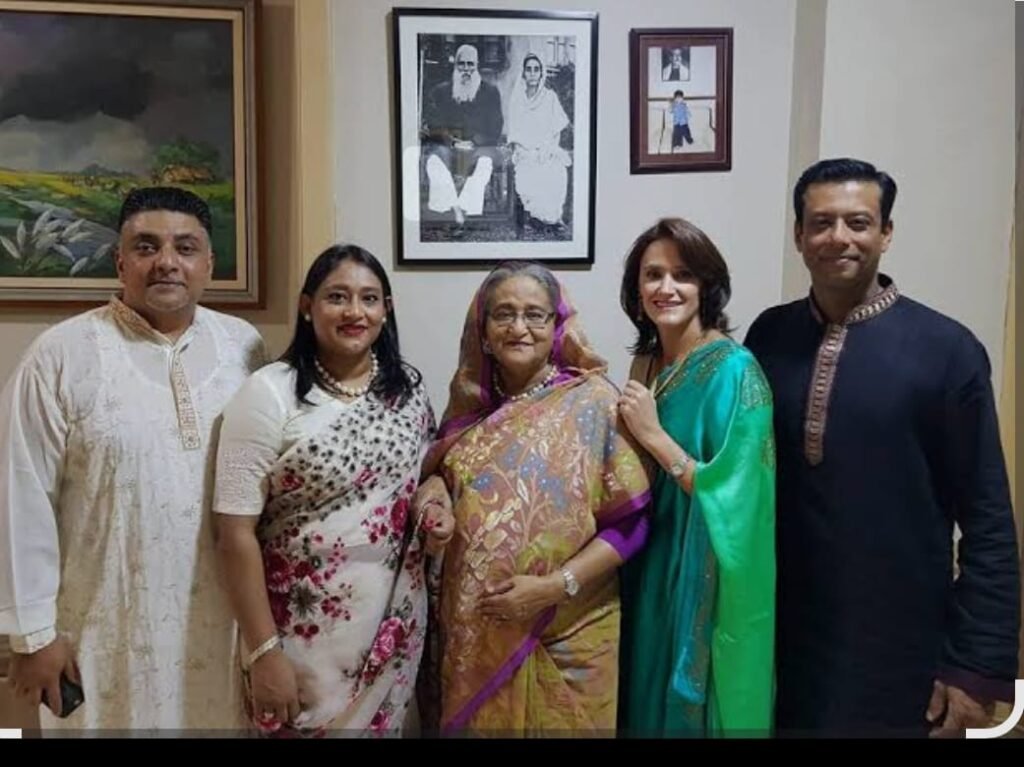
For more than four decades, Sheikh Hasina has been at the helm of Bangladesh’s ruling Awami League, steering the party since May 17, 1981. But after her ouster from power last year, questions of succession that she had long avoided are now forcing their way to the forefront. Hasina, 77 this month, has never publicly outlined how the party would function in her absence. Observers say that lack of a succession plan contributed to the Awami League’s rapid collapse after she was forced from office on Aug. 5, 2024. The interim government that took over subsequently banned the party’s activities, leaving grassroots workers without clear leadership. Since then, Hasina has been living in India as what officials describe as a “guest” of New Delhi, with tight restrictions on her movements and contacts with her followers. From there, under both political pressure and personal considerations of age, she is now preparing to settle the issue of who leads the Awami League after her. Party insiders and political analysts say Hasina has finalized a plan to bring her son, Sajeeb Wazed Joy, and daughter, Saima Wazed Putul, into the party’s top ranks. In addition, her sister Sheikh Rehana’s son, Radwan Mujib Siddiq Bobby, is also expected to play a role. The model, observers note, resembles India’s Congress Party, where Sonia Gandhi positioned her children, Rahul and Priyanka, as future leaders. Joy, a U.S. citizen and permanent resident, has emerged as the Awami League’s chief spokesman abroad, giving frequent media interviews and representing the family’s political line. Putul, until recently the World Health Organization’s regional director in New Delhi, has gone on indefinite leave from the post and is now stepping fully into politics. Hasina’s reliance on her children underscores how dynastic politics continues to dominate in South Asia, where leadership transitions often bypass internal party democracy. Critics argue such moves risk alienating the Awami League’s grassroots and further weaken its organizational base. Still, for Hasina, who has led the party through exile, opposition and long years in office, the urgency to secure her family’s hold on leadership appears stronger than ever.
Trial begins in Dhaka corruption cases against Tulip Siddiq, Sheikh Hasina and family members

A Dhaka court has begun hearing witness testimony in corruption cases against British MP Tulip Rizwana Siddiq, former Bangladesh prime minister Sheikh Hasina, and several members of her family. The cases relate to alleged irregularities in land allocations in Purbachal New Town, a government housing project near the capital. Alongside Siddiq, the accused include her mother Sheikh Rehana, brother Radwan Mujib Siddiq, and sister Azmira Siddiq Ruponti. On 31 July, two special courts in Dhaka framed charges in six separate corruption cases against Hasina, members of her family, and more than 20 other accused. The Anti-Corruption Commission alleges that the former prime minister and her relatives were unlawfully allotted six plots of 10 kathas each in December, in violation of rules. On 11 August, witness testimony also began in three other cases tied to the same project, in which Hasina, her son Sajeeb Wazed Joy and daughter Saima Wazed Putul are named as defendants. Hasina and her family have been living abroad since she was ousted from power on 5 August 2024 in a mass uprising. Tulip Siddiq, who is the Labour MP for Hampstead and Kilburn in London, has rejected the allegations, calling them “politically motivated”. She said she has not received any formal summons from the Bangladeshi authorities. Both Hasina and Siddiq deny wrongdoing. The US State Department, in its annual human rights report released earlier this week, noted that while rights conditions in Bangladesh had become more stable under Nobel laureate Muhammad Yunus’s interim government, concerns remained, particularly over judicial independence and political freedoms. Bangladesh’s interim government has vowed to ensure accountability for past abuses and corruption, though rights groups have warned that deep institutional reforms will be required to restore long-term stability.


