
Bangladesh Faces Ongoing Shortage of Routine Childhood Vaccines in Several Districts
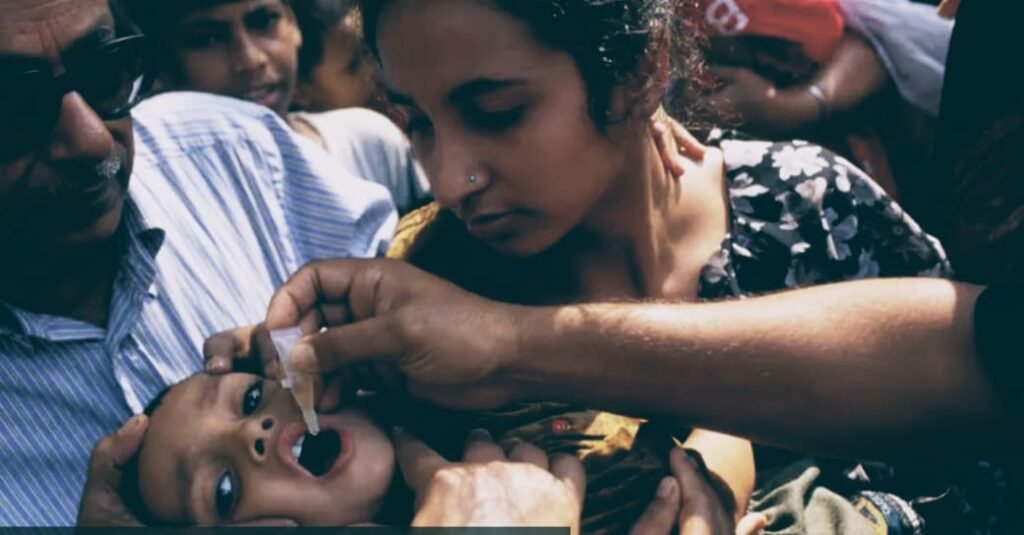
Several districts across Bangladesh have been grappling with shortages of childhood vaccines under the Expanded Program on Immunization (EPI) for more than a month, health officials said. Civil surgeons from multiple districts reported that supplies of certain vaccines have been inconsistent, leaving children unable to receive their scheduled immunizations. The shortages vary by region, with some districts facing gaps in specific vaccines while others have received adequate stock after delayed shipments. “This problem has persisted for weeks,” said one district civil surgeon, who noted that children in his area had missed their doses due to a lack of supply. “Once vaccines arrive, we are able to continue the program, but the disruptions are worrying.” Bangladesh, for the first time, began purchasing EPI vaccines last year. Until then, the program was largely supported by international donors and vaccines were provided free of cost. Officials said the transition has created logistical challenges in procurement and distribution. Despite field-level reports of shortages, the national EPI office has denied any systemic problem. A.F.M. Shahabuddin, project manager of the Expanded Program on Immunization, insisted there was “no shortage or crisis.” “The vaccines are arriving as scheduled,” Shahabuddin said. “What happens is that it takes some time to distribute them to all districts once the shipment reaches Bangladesh. That lag can create the impression of shortages, but there is no real supply gap.” Health workers and parents, however, remain concerned. Delays in administering vaccines could leave children vulnerable to preventable diseases such as measles, polio and diphtheria. Public health experts warn that even short-term disruptions in immunization schedules can have long-term consequences, especially in densely populated countries like Bangladesh. The Ministry of Health has not announced any new measures to address the delays, but officials say they are monitoring distribution more closely.


